Yolande Thame on the difference between design that researches a culture and design that decorates with it — and why that distinction shows up in the work.
There is a version of cultural specificity in film that functions as decoration. It arrives late in the process — in the props, in the costume accents, in the music choices — layered over a design language that was never built from the culture in the first place. It is recognizable. It has a particular quality of surface enthusiasm without structural commitment. The culture is present but it is not load-bearing. It's not respectful.
I have spent enough time on enough sets to know the difference immediately. And I have spent enough time thinking about why the gap exists to understand that it is almost never the result of bad intentions.
The gap is a timing problem.
Cultural research that actually shapes a design has to happen before the design begins. It has to inform the geometry, the material palette, the proportions, symbols, the logic of how spaces connect to each other. By the time a production is in build, the structural decisions have already been made. What is left is surface — and surface, however carefully chosen, cannot carry the weight of what the earlier decisions failed to establish.
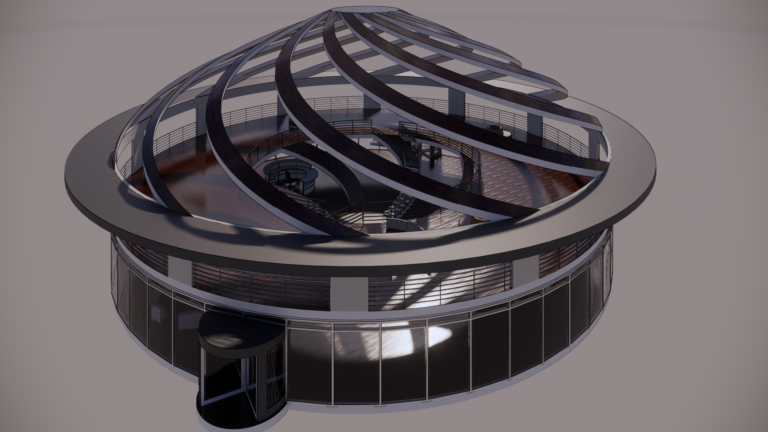
On the Commonwealth Youth Programme virtual museum, I chose the honeycomb as the organizing structure not because it looked interesting but because it made a spatial argument: every cell equal, every cell necessary, the whole structure weakened by the absence of any one piece. That is a political statement about Commonwealth interdependence, embedded in the geometry. You cannot add that in post. It is either in the bones or it is not.
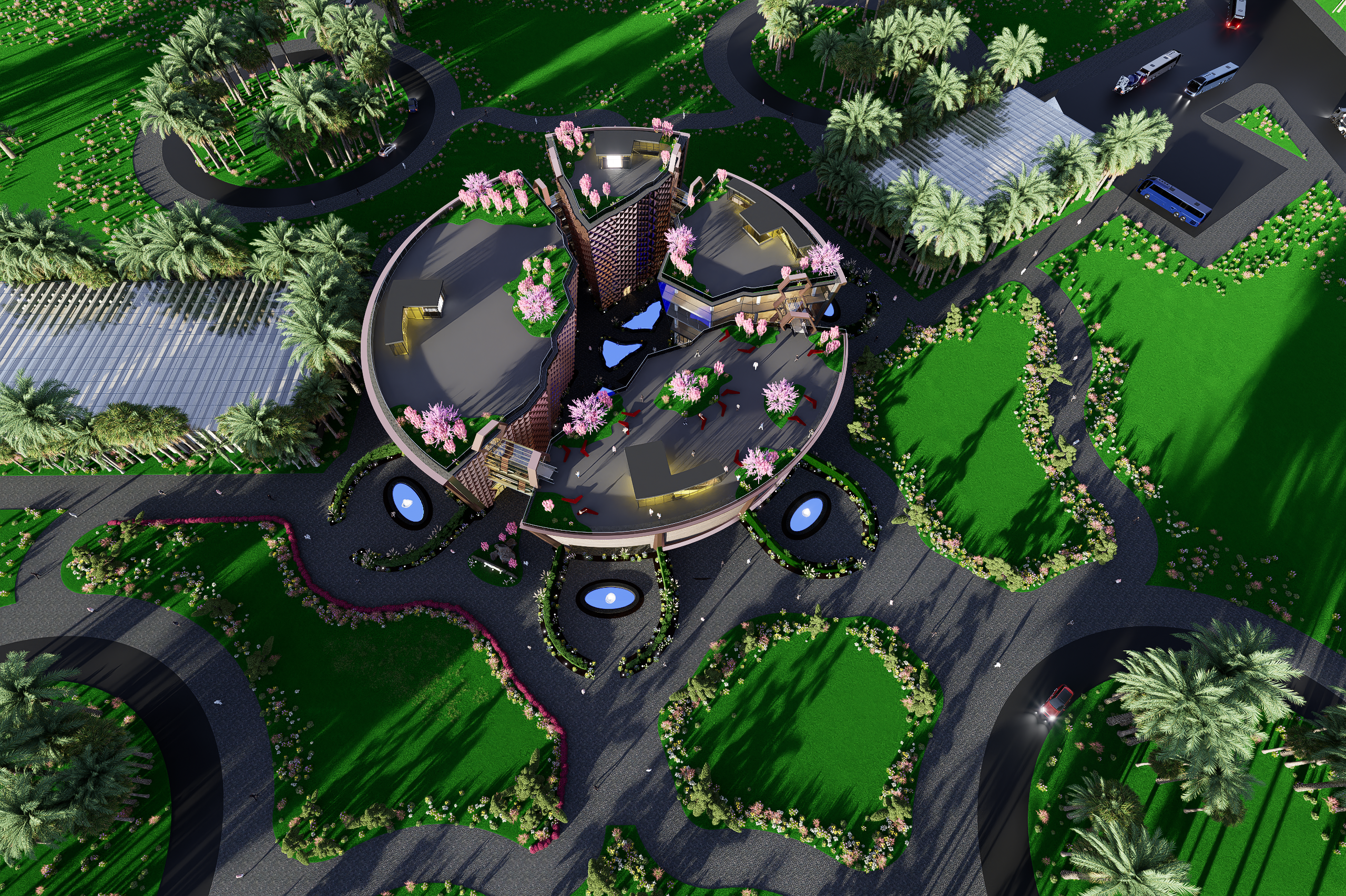
On the Museum of Diversity Jamaica, I used the fragments of a broken Taíno sun as the literal floor plan. The voids between fragments become courtyards. Visitors physically move through absence as well as presence. The incompleteness of Taíno history is not papered over — it is held in the architecture honestly. It's structure is based on a broken sun, a broken humanity. It's memory in many of our bodies expressed in architecture.
This is the difference between research that decorates and research that designs.
The question I ask at the beginning of any project is not: what does this culture look like? It is: what does this culture argue? What does it believe about how people should move through space, how they should encounter history, what should be visible and what should be protected? A spectacle hides meaning with glitz. How can I design memory in a respectful way? The answers to those questions generate a design language. The visual details follow from that. Not the other way around.
Cultural depth is not a checkbox. It is a discussion. It is a sequence. And the sequence has to start at the beginning.