A film set wraps. A museum doesn't. Yolande Thame on designing for permanence — and what that responsibility changes about the work.
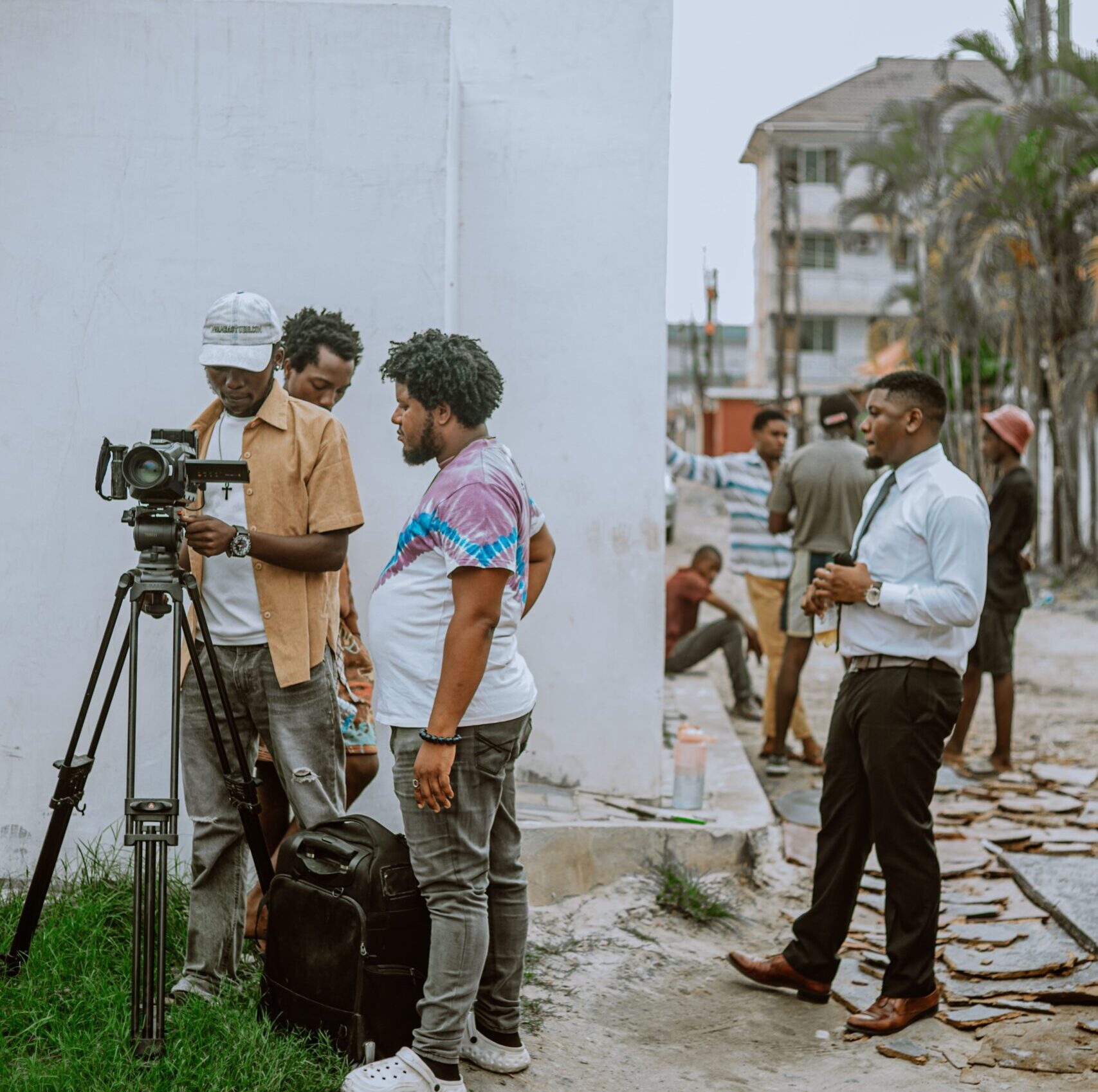
A film set is, by definition, temporary. You build it, you shoot it, you wrap it. The most elaborate construction — a full-scale working kitchen, a period-accurate street, a virtual world built in Unity — exists to be photographed and then released. The camera captures what was there. The thing itself disappears.
I understood this as one of the defining conditions of set design. You build for the lens, not for time. The decisions you make are accountable to the frame, to the performance, to the director's vision for a specific moment. They are not accountable to the person who will stand in that space in twenty years and feel something about it.
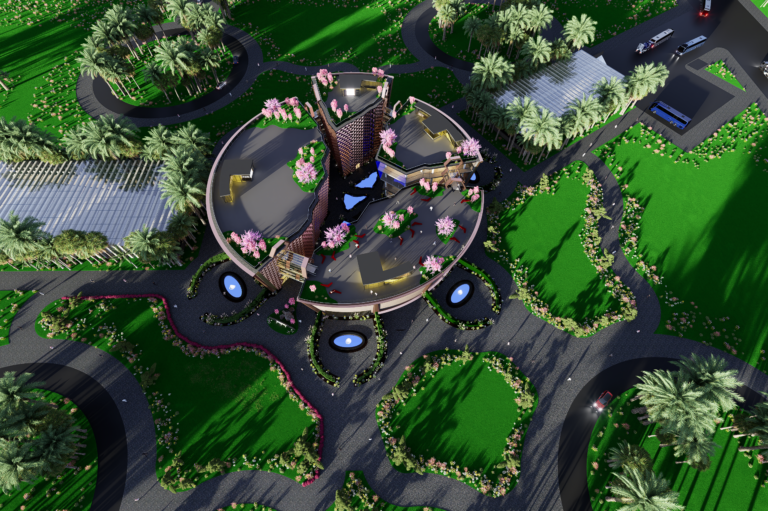
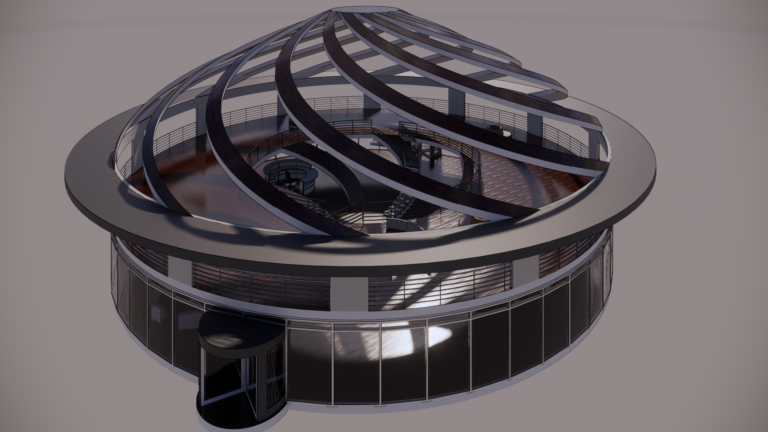
Designing the Museum of Diversity Jamaica changed that understanding.
A museum is permanent. Or it is intended to be. The decisions made in the design of a museum — structural decisions, symbolic decisions, the choices about what the building says when it is simply standing there with no one in it — those decisions will be accountable to visitors for decades. Possibly longer. The designer's reasoning will not be present to explain itself. The building will have to speak on its own.
When commissioned to design a concept for the build, admittedly, I felt a heavy weight. I felt a deep responsibility to be true to not just the present culture, but to the past and how all-together the story we tell that will influence the future of the people for generations to come after me that will grace the halls and exhibits of this space.
The particular weight of the MoD Jamaica project was this: the museum is dedicated to Black and diaspora histories, and I chose to anchor it in the Taíno — Jamaica's first people, nearly completely erased through colonization. That is not a decorative choice. It is a statement about where Black diaspora history begins — not with the Middle Passage, but before it. Before the borders that colonization drew. The building's origin story starts in an earlier, deeper history, and it carries that argument in its structure.
Getting that wrong — romanticizing, appropriating, or simply misrepresenting what fragmentary Taíno history tells us — would not be a design mistake that wraps with the production. It would be embedded in a permanent institution, where it would repeat itself in front of every visitor, indefinitely. These visitors are people like me, and my people.
That accountability changes how you research. It changes how careful you are with the distance between what the historical record supports and what would be visually convenient. It changes your relationship with the people whose history you are working with. This is why when dealing with any culture outside your own, you must have the right people in the room, not the experts or the preferred who know nothing about the culture, but make the decision-makers and financiers comfortable. The very design is a nurturing of a relationship with the people.
What it does not change — what I did not expect it to change, but it didn't — is the creative instinct. The impulse to find the form that is true to the content, the geometry that makes the argument, the space that holds what it is supposed to hold. That instinct works the same way whether the thing you are building exists for six weeks of principal photography or for the next fifty years.
What changes is the stakes attached to it.
I think about this now as I work on writing. A film, once released, is also permanent in its own way — it exists, it can be seen, it accumulates meaning over time. The decisions made on the page are accountable to an audience I cannot fully anticipate, in contexts I cannot predict. The cultural material I am working with will be represented in whatever I make of it.
That is not a paralyzing thought. It is a clarifying one.
Jamaica taught me that permanence is not a reason to work more cautiously. It is a reason to work more honestly. To be more precise about what you know and what you are inferring. To make the argument in the structure, not just the surface. To build something that can stand without you there to explain it.
That is the standard I am trying to hold. On the buildings. On the page. On whatever comes next.