Authorial · Virtual / Immersive Environment · 2024
Commonwealth VR
Overview
The Commonwealth is a political family of 56 countries sharing historical ties through Britain. The Commonwealth Secretariat needed to commemorate 50 years of the The Commonwealth spans 56 countries. Any design that defaulted to a single cultural aesthetic — particularly a Western or British one — would silently communicate that one tradition matters more than the others. Getting this wrong would not just be a visual failure. It would be a political one, visible to diplomats and cultural representatives from across the world.
Project Context
The Commonwealth is a political family of 56 countries sharing historical ties through Britain. The Commonwealth Secretariat needed to commemorate 50 years of the Commonwealth Youth Programme (CYP) — a global initiative supporting young people across member nations. Rather than a physical exhibition confined to one location, they needed something anyone in the world could visit: a space you walk through on a computer or VR headset, accessible to a High Commissioner in London and a youth worker in rural Uganda simultaneously.
I was commissioned by the Museum of Diversity — founded by Troy and Kuku Richards — to design and build that environment from the ground up.
What Was at Stake
The Commonwealth spans 56 countries with radically different landscapes, histories, and cultural identities. A design that defaulted to any single cultural aesthetic — particularly a Western or British one — would silently communicate that one tradition matters more than the others. That would directly undercut the programme’s purpose.
The design had to feel like it genuinely belonged to everyone equally, without collapsing into a vague, generic ‘global’ aesthetic that belongs to no one. The launch audience included diplomats, High Commissioners, and the Commonwealth Secretary-General — stakeholders who would immediately notice if their country’s culture felt like an afterthought. Getting this wrong would not just be a visual failure. It would be a political one.
Structural Complexity
Cultural. 56 nations, enormous geographic and cultural diversity, no single shared visual language. Every design decision had to be legible and respectful across all of them simultaneously.
Technical. The platform had to work on both a standard web browser and a VR headset — very different performance and rendering demands — without sacrificing the experience for either audience.
Scale. The platform had to support simultaneous global access during a live International Youth Day event without failure. A system that collapsed under load would have been a public and institutional embarrassment in front of the Commonwealth’s most senior stakeholders.
Time. The build timeline was compressed around a fixed ceremonial launch date with no flexibility. The virtual museum launched at Marlborough House in London on August 12, 2024 — International Youth Day — and it had to be ready.
My Role
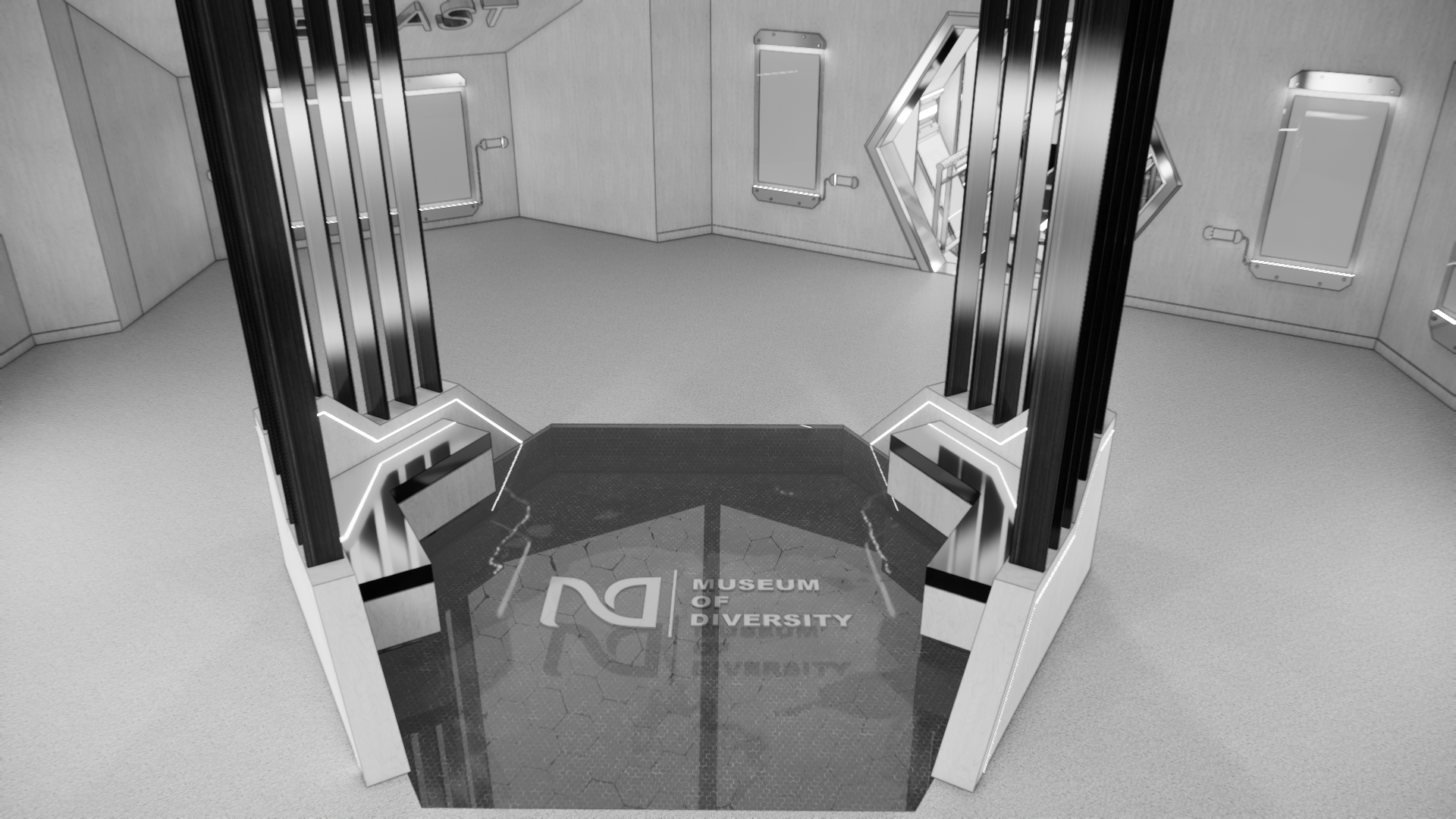
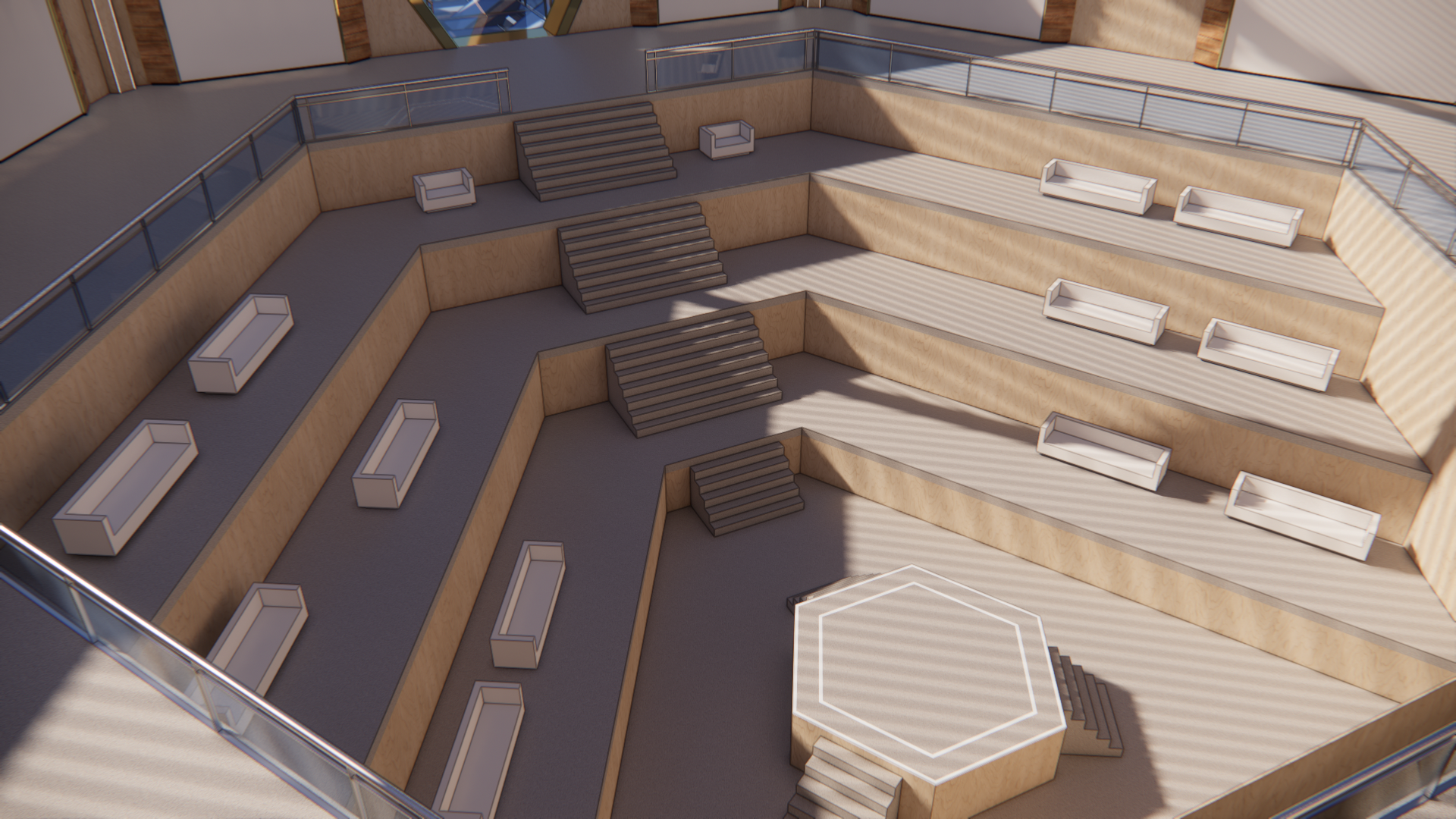
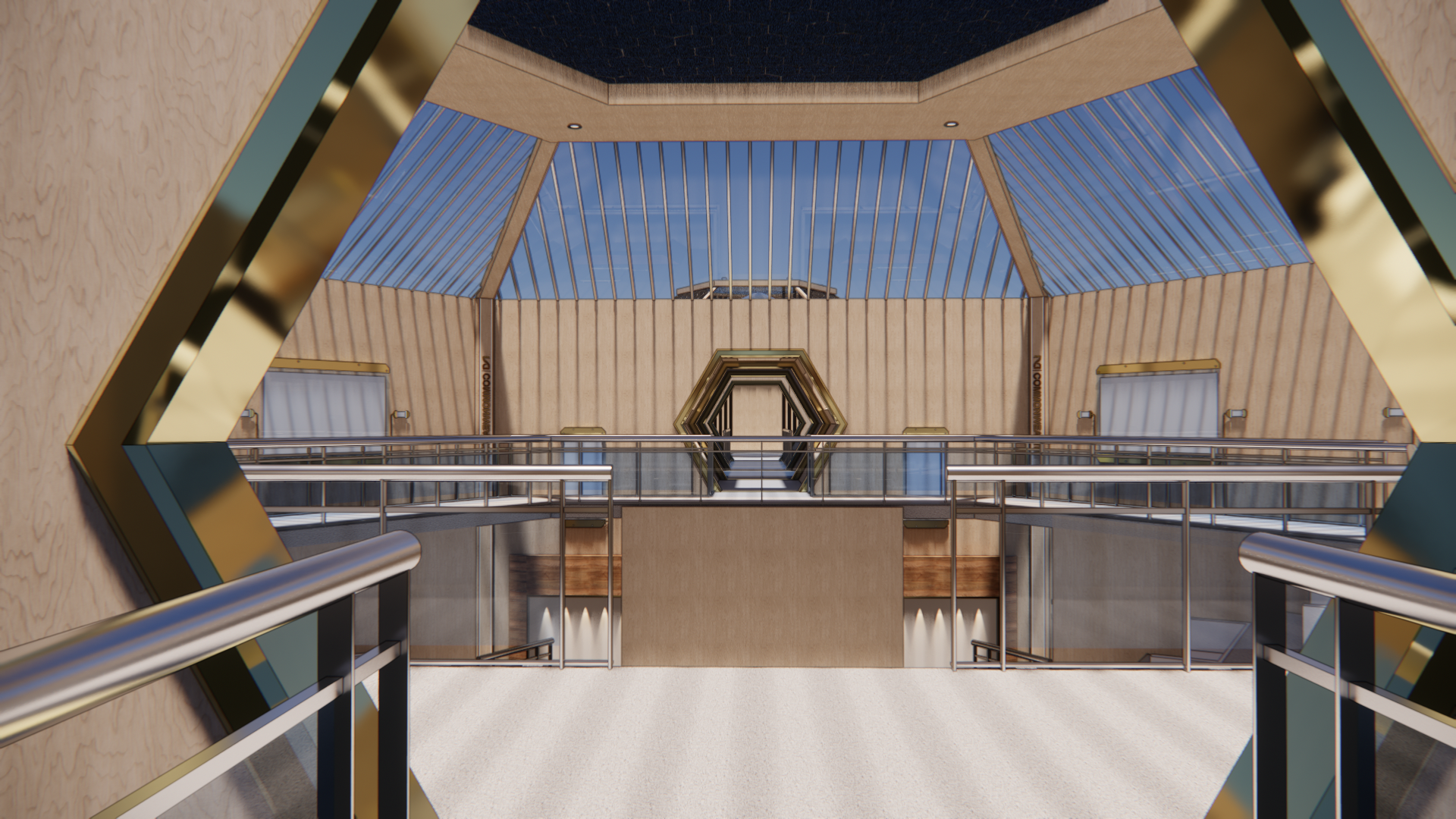
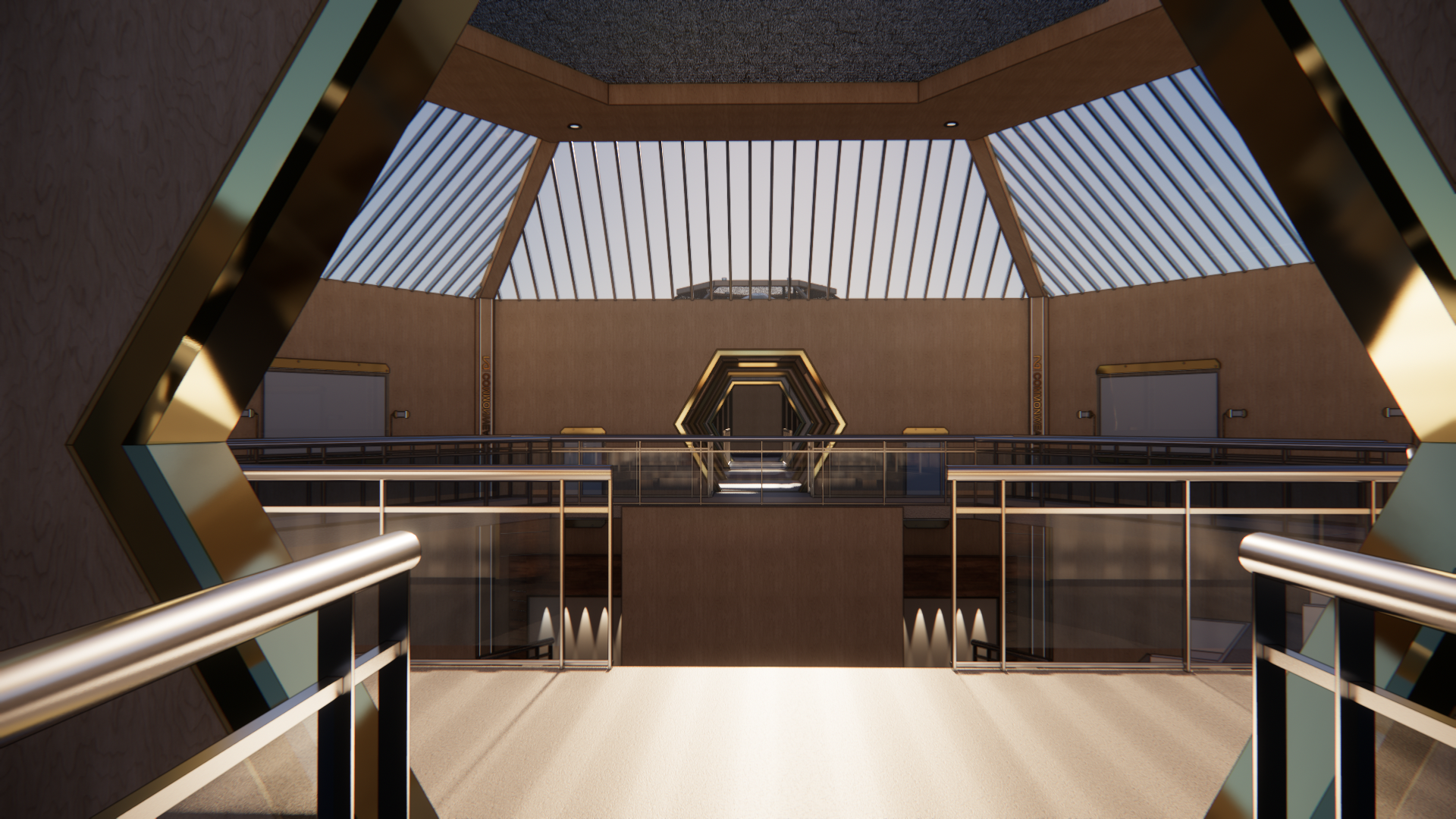
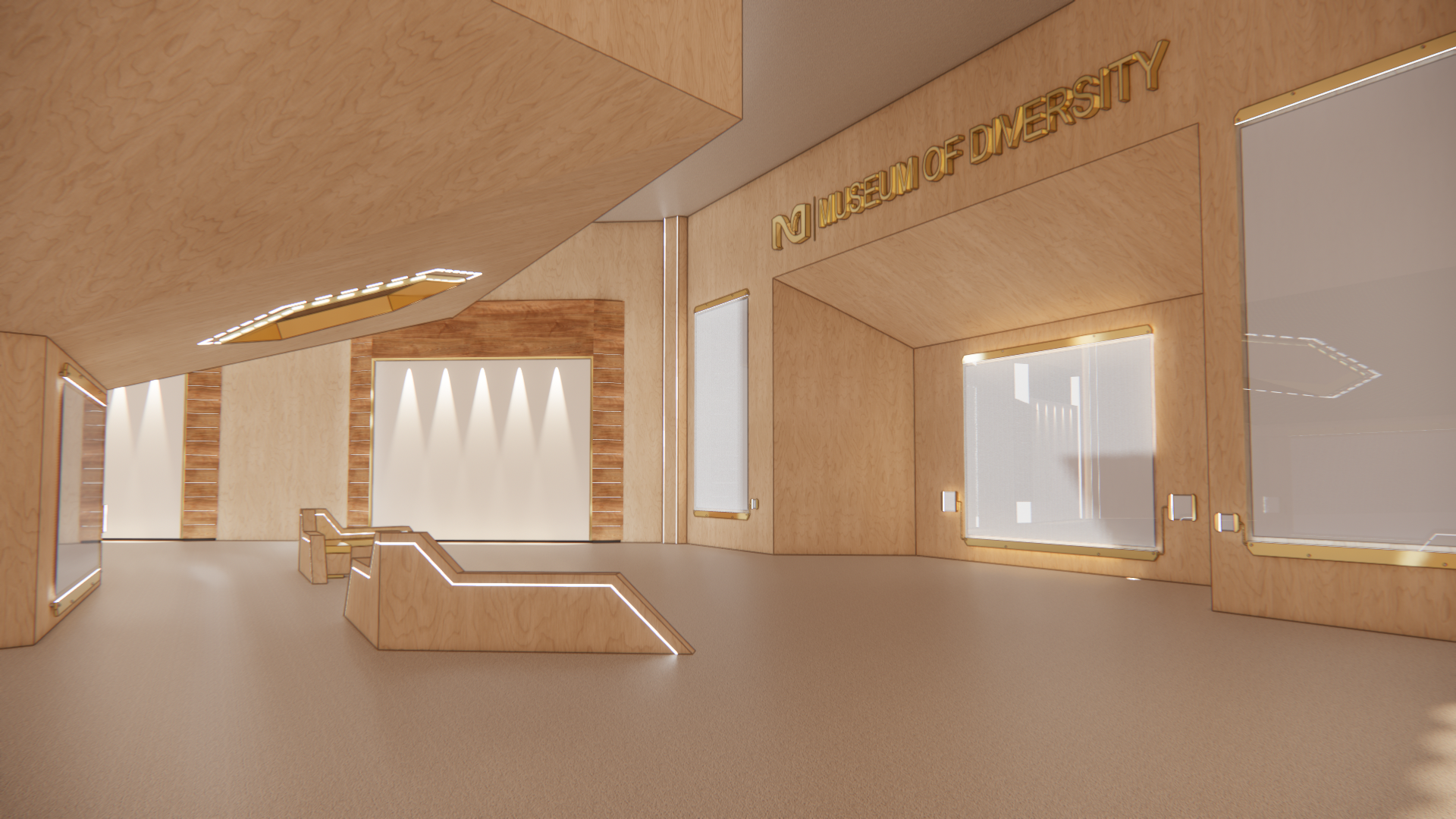
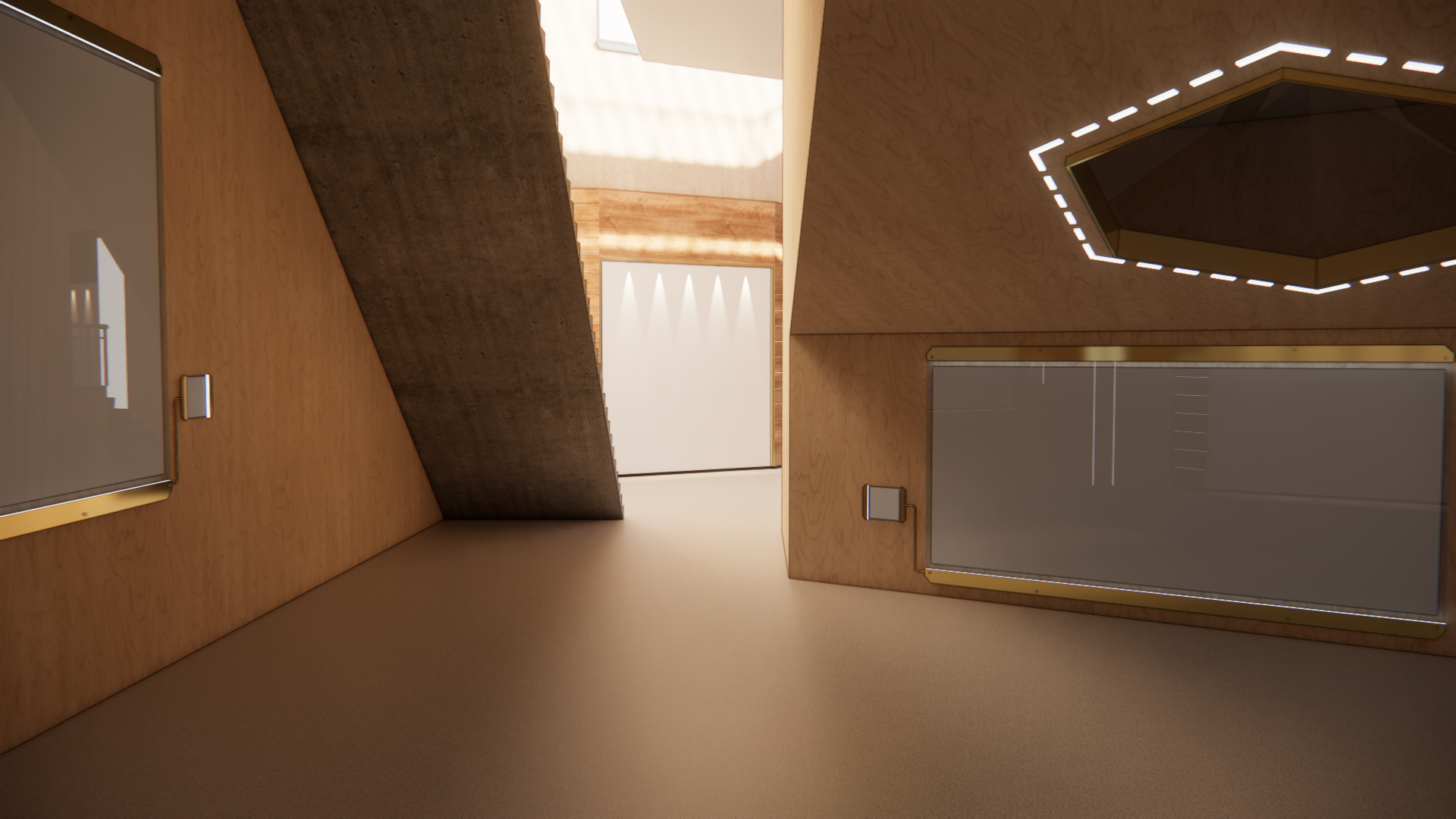
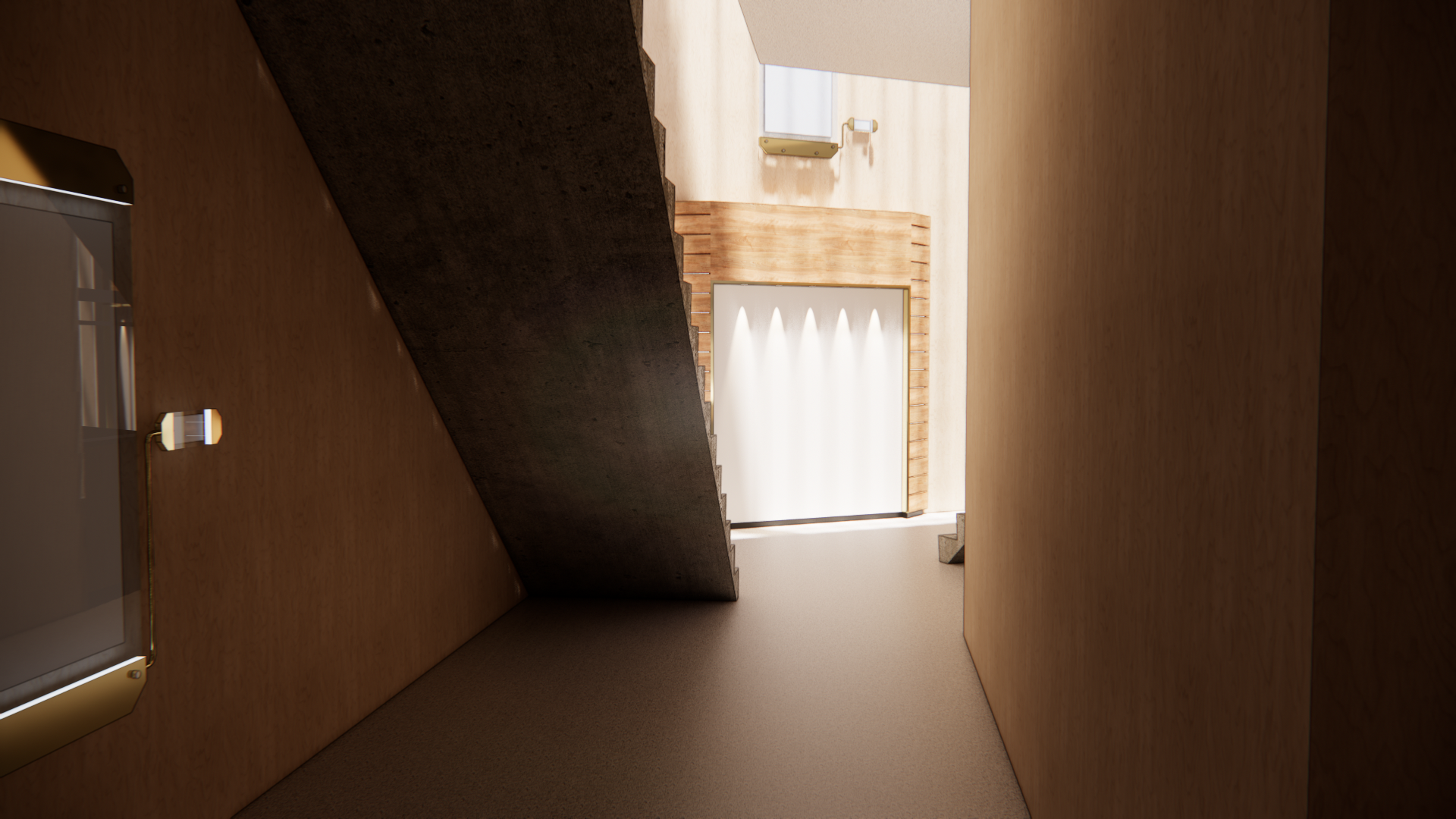
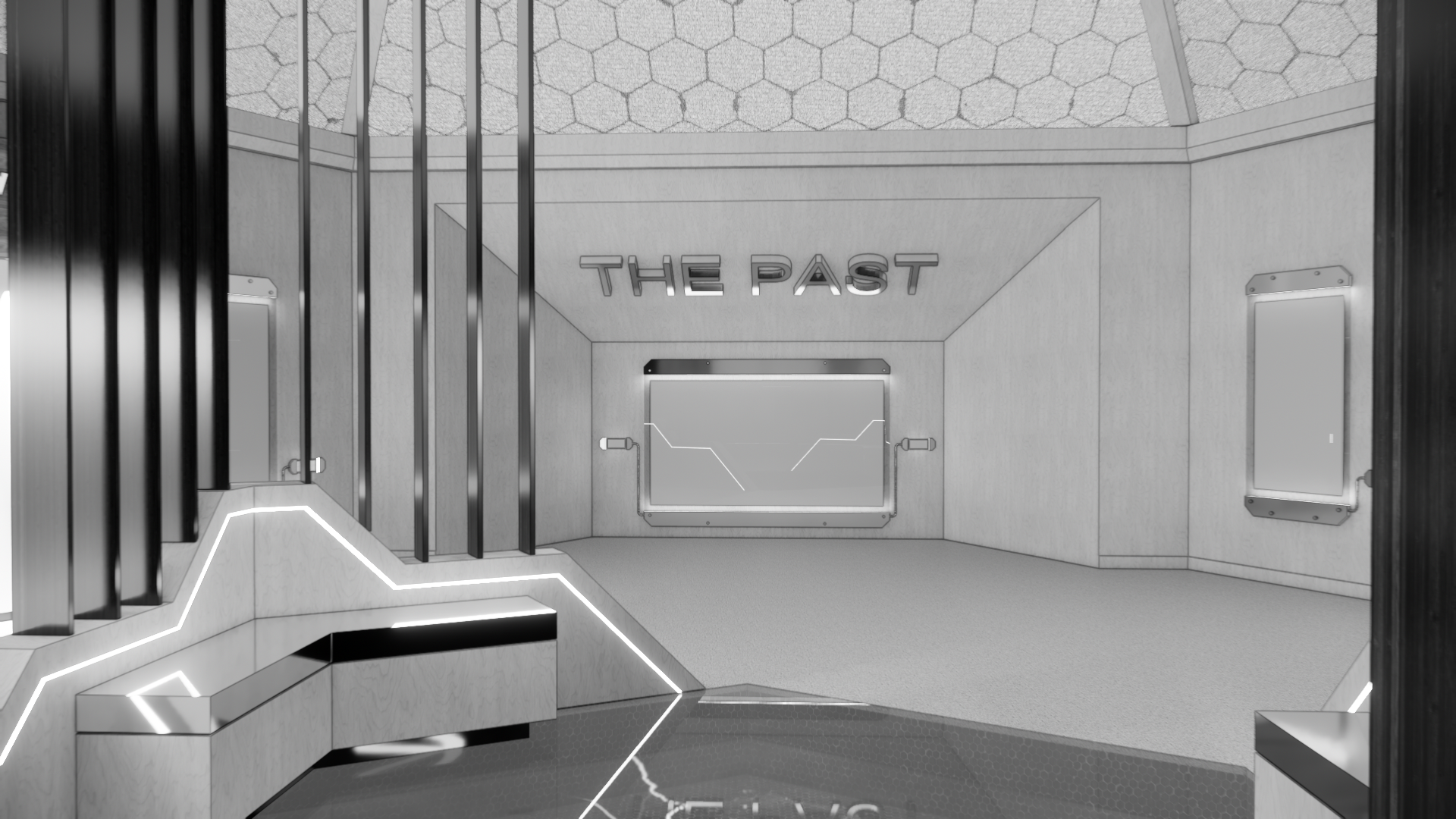
I was the sole designer and technical lead on this project. I conceived the design language, built the virtual environment in Unity hosted on Spatial.io, integrated all media assets — historical posters, animations, videos, and 3D artifacts — and structured the complete spatial narrative. I worked directly with Troy and Kuku Richards and the Commonwealth research team to translate 50 years of institutional history into an immersive spatial experience.
Specific Decisions I Made
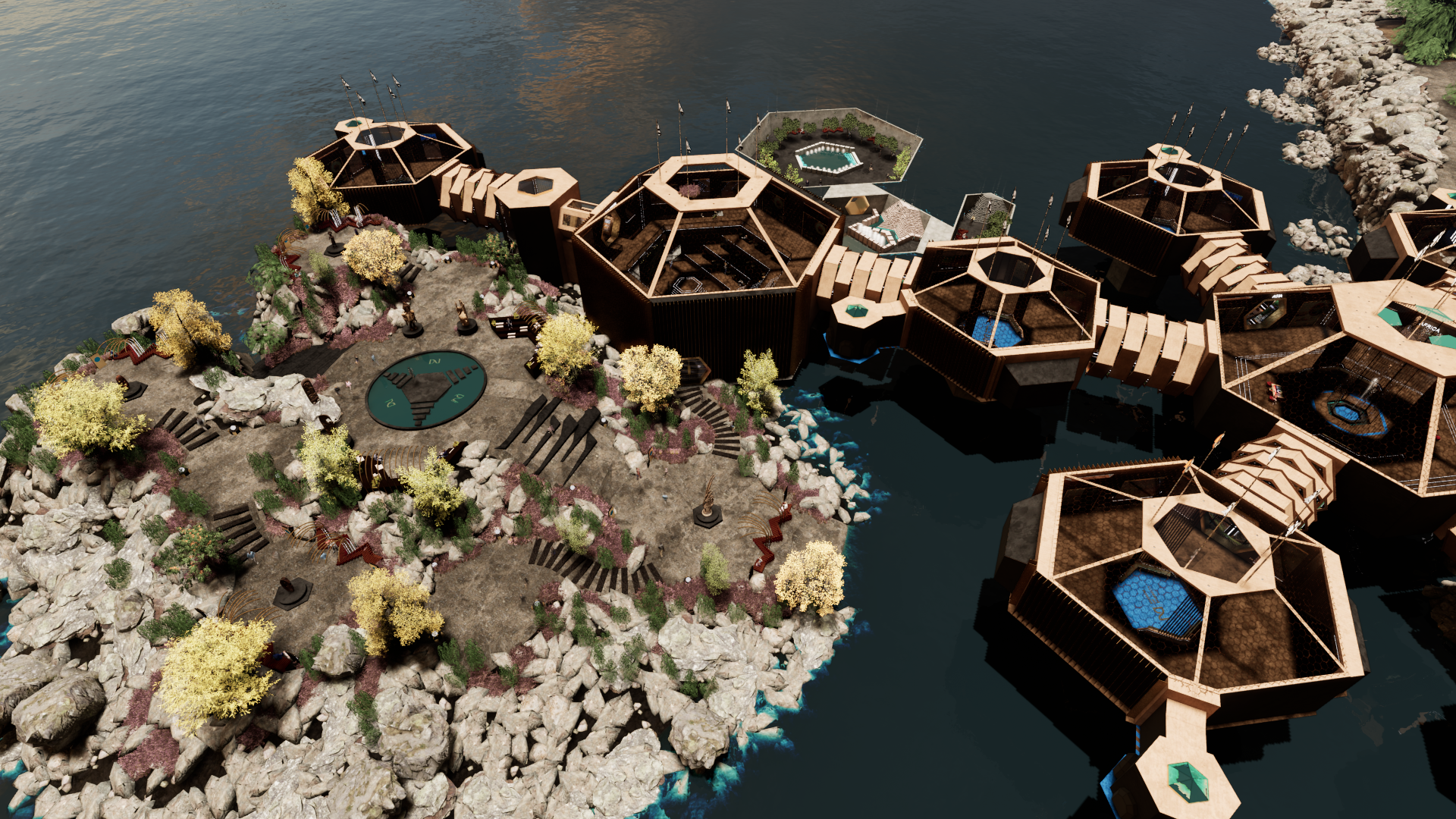
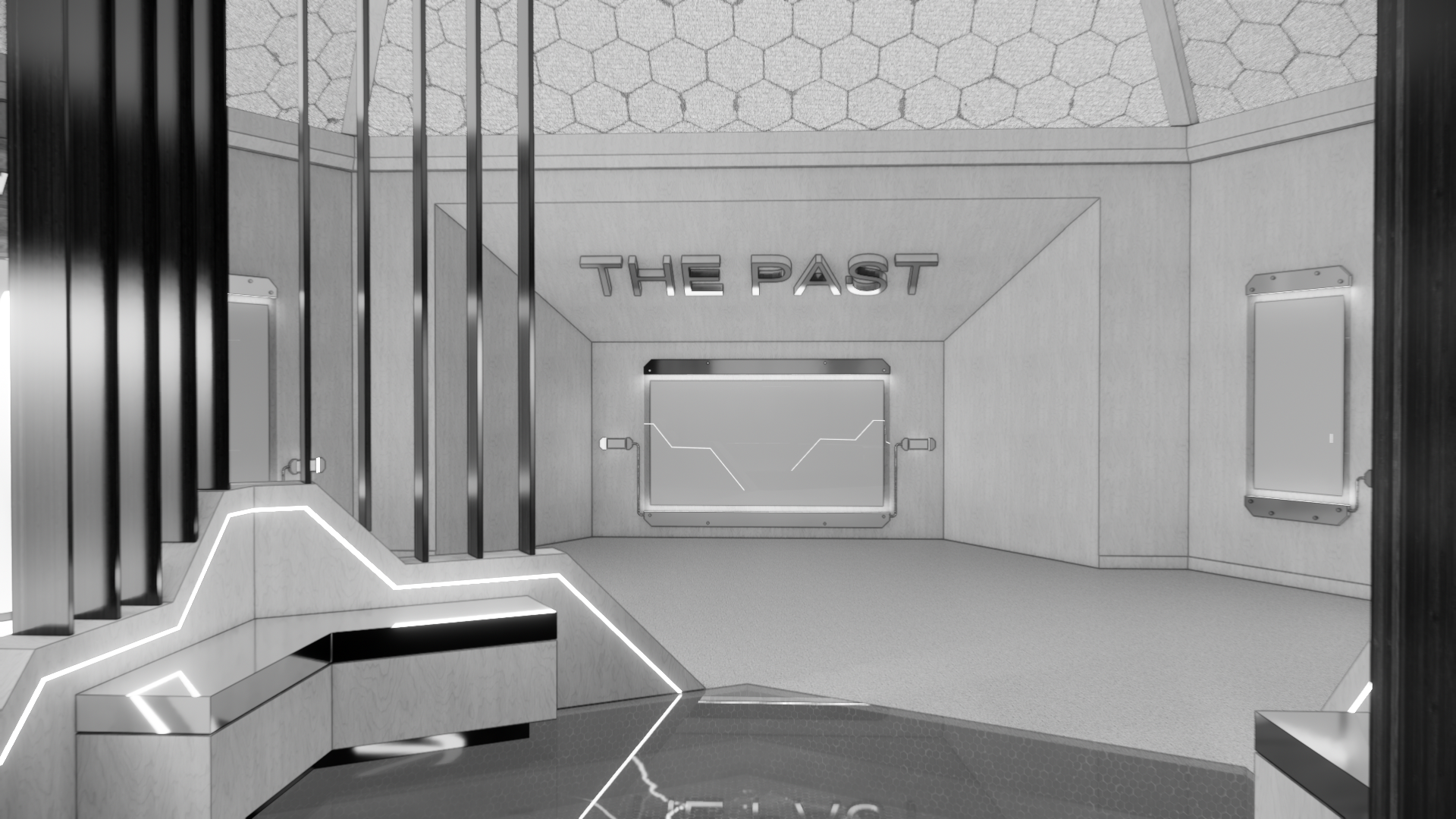
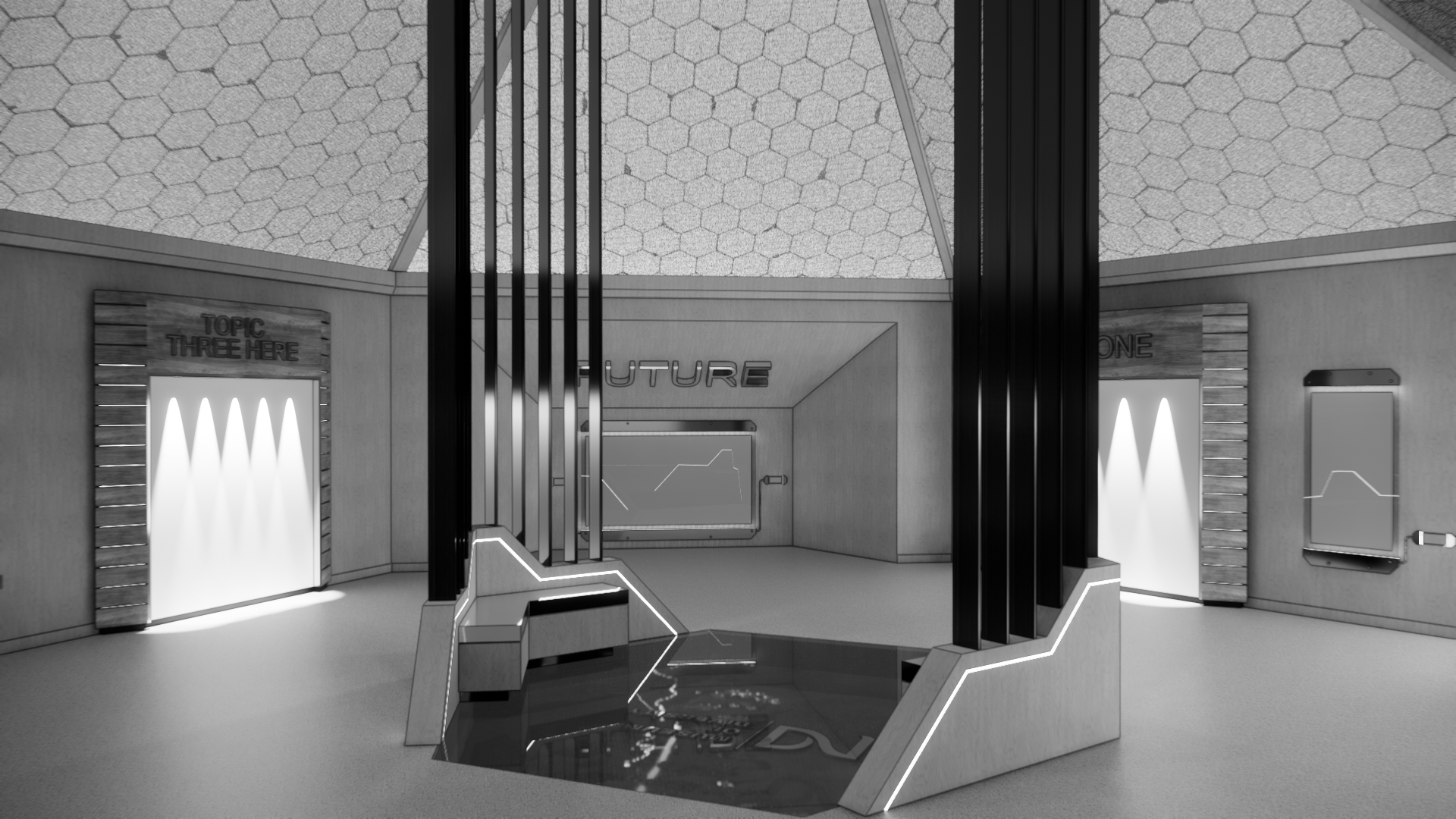
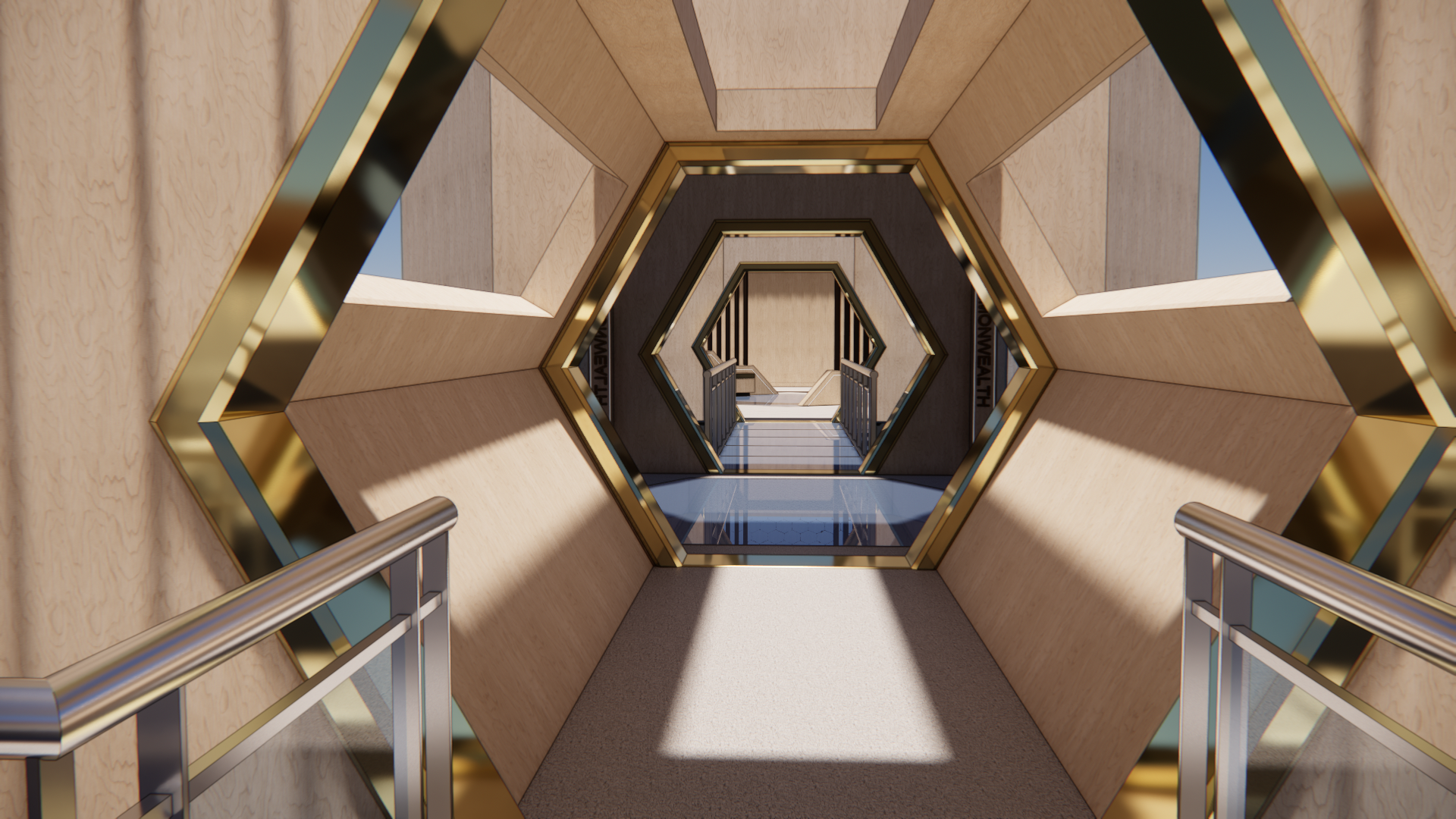
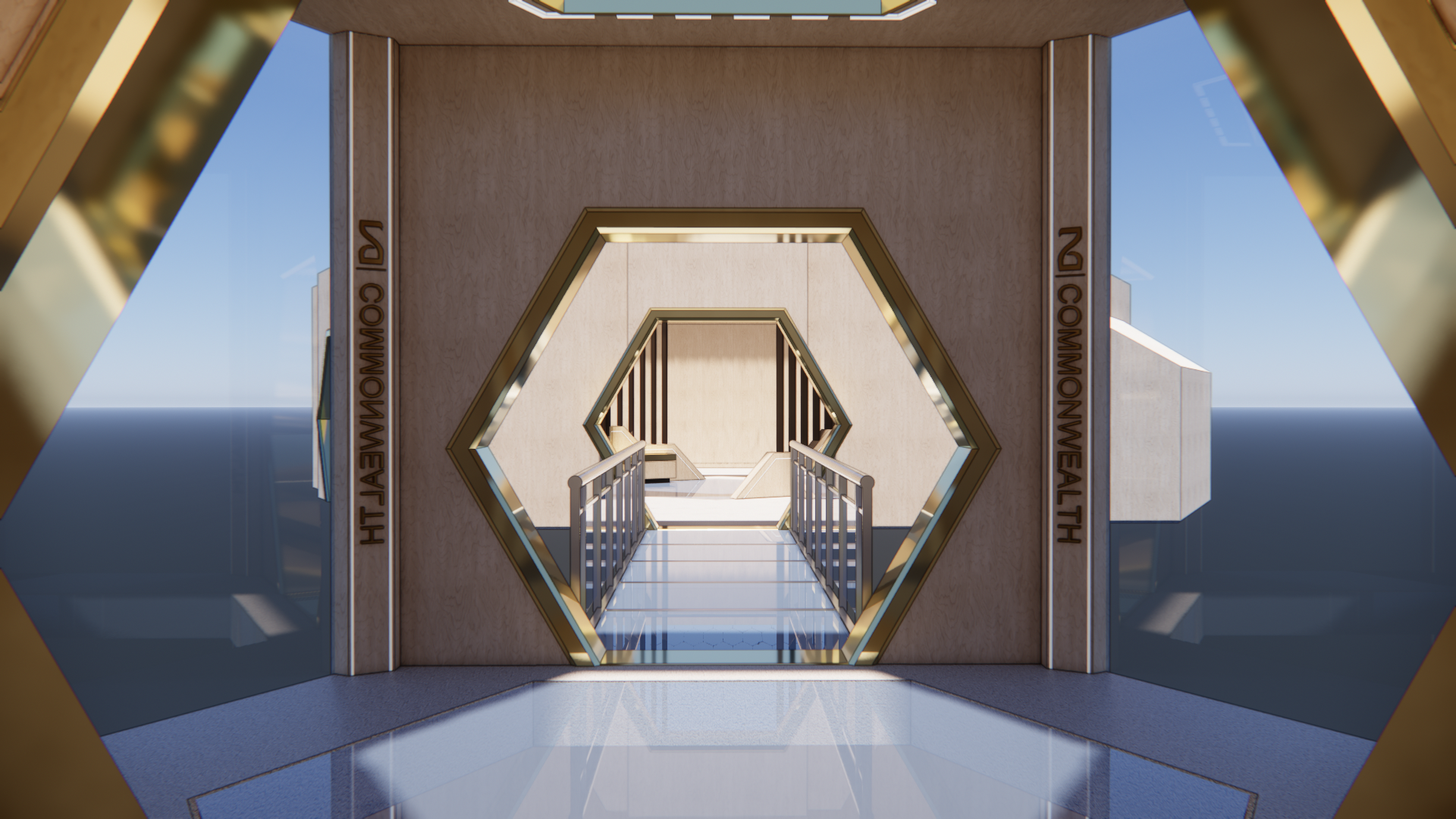
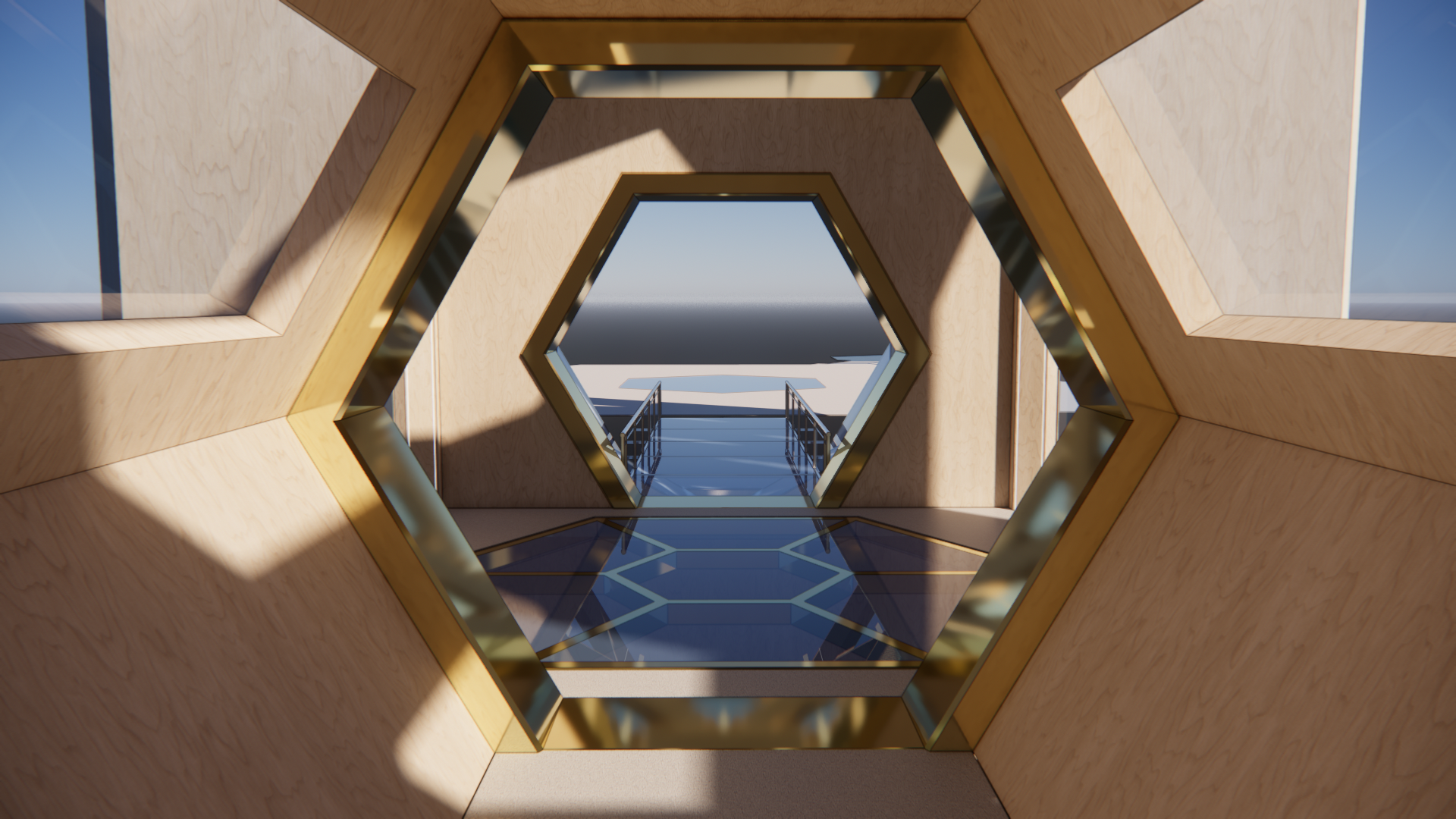
I chose ecological materials — wood, water, and landscape textures drawn from across Commonwealth nations — as the unifying visual language. Nature is the one thing all 56 member nations share without any colonial hierarchy attached to it.
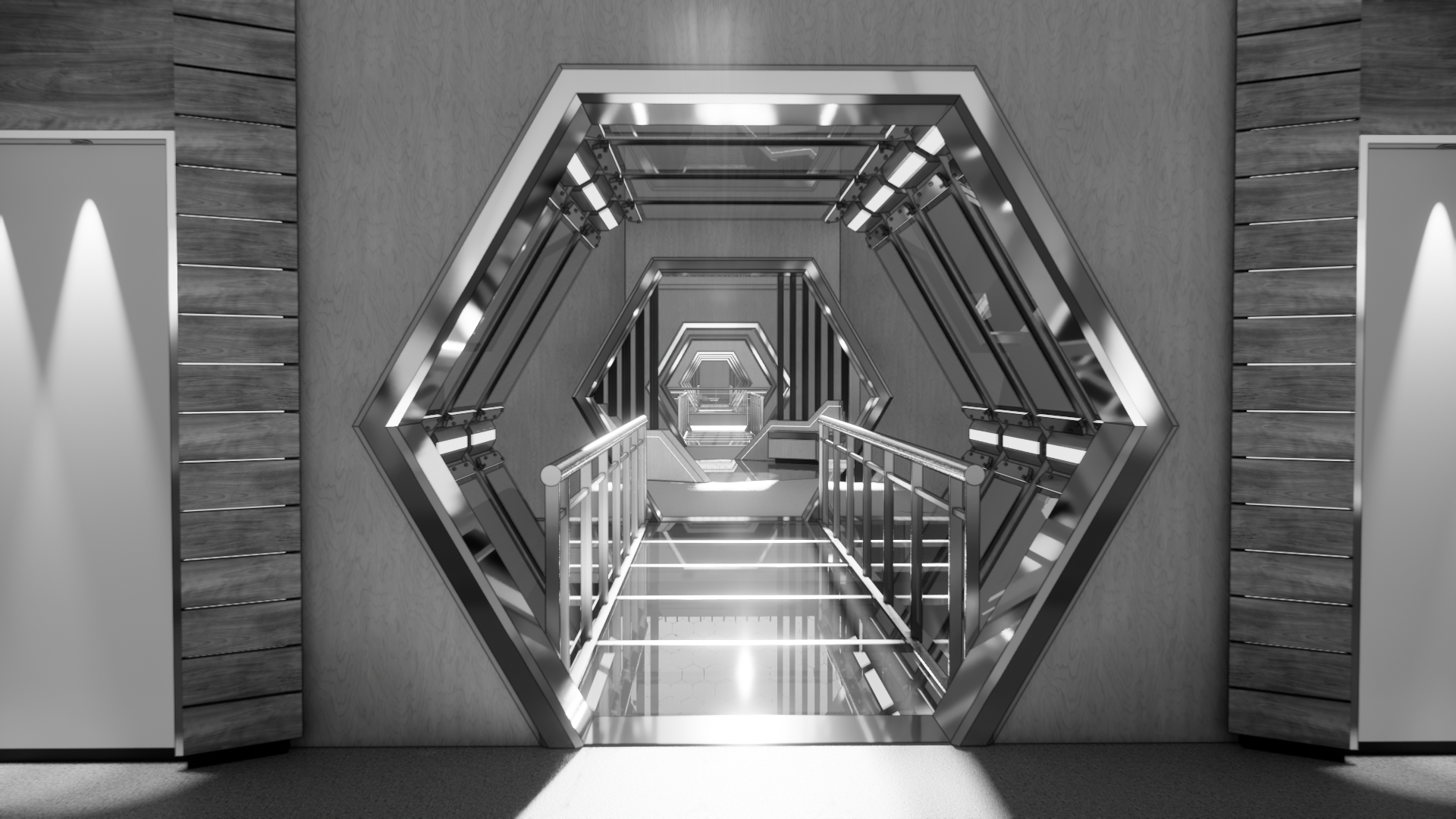
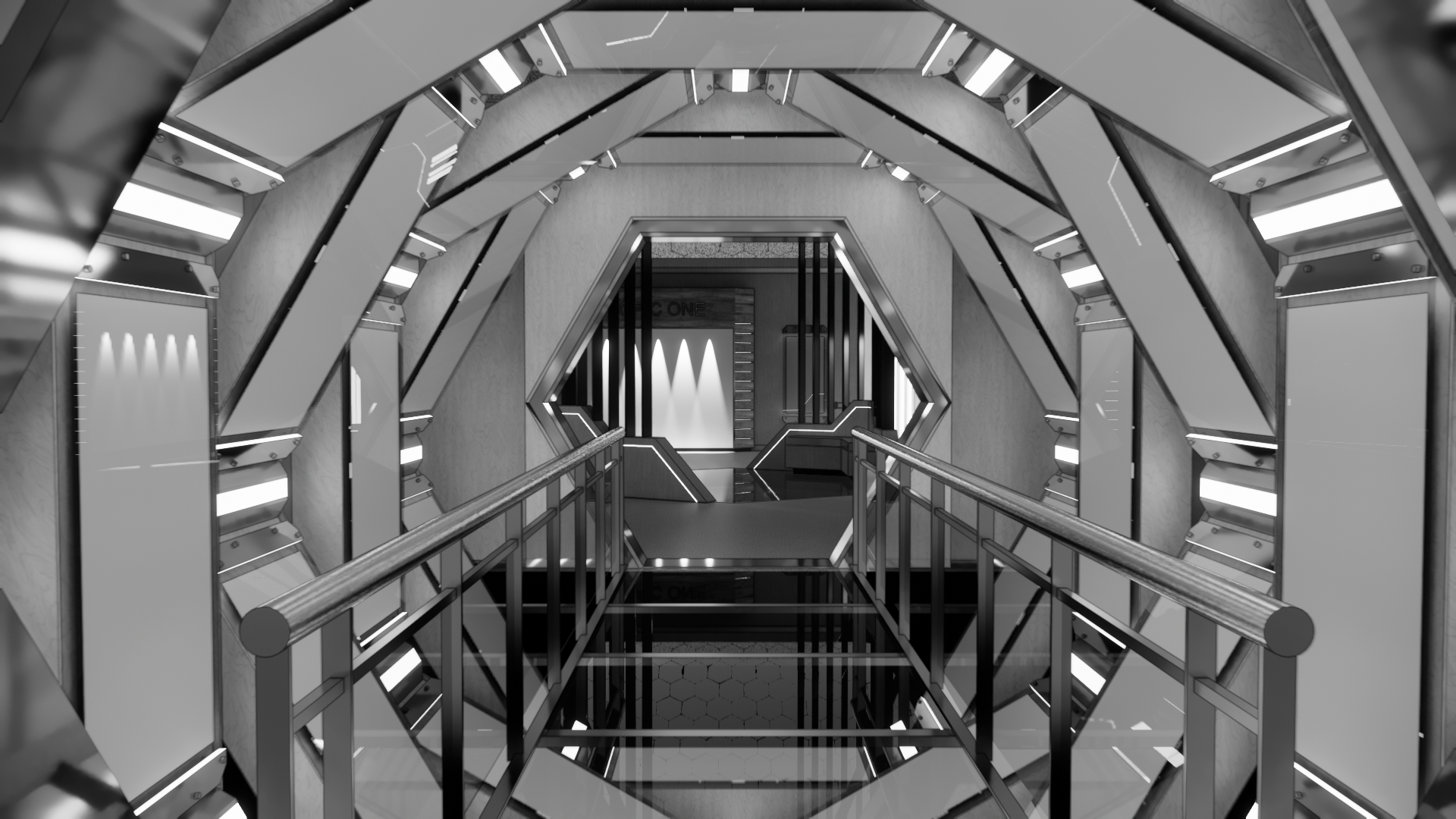
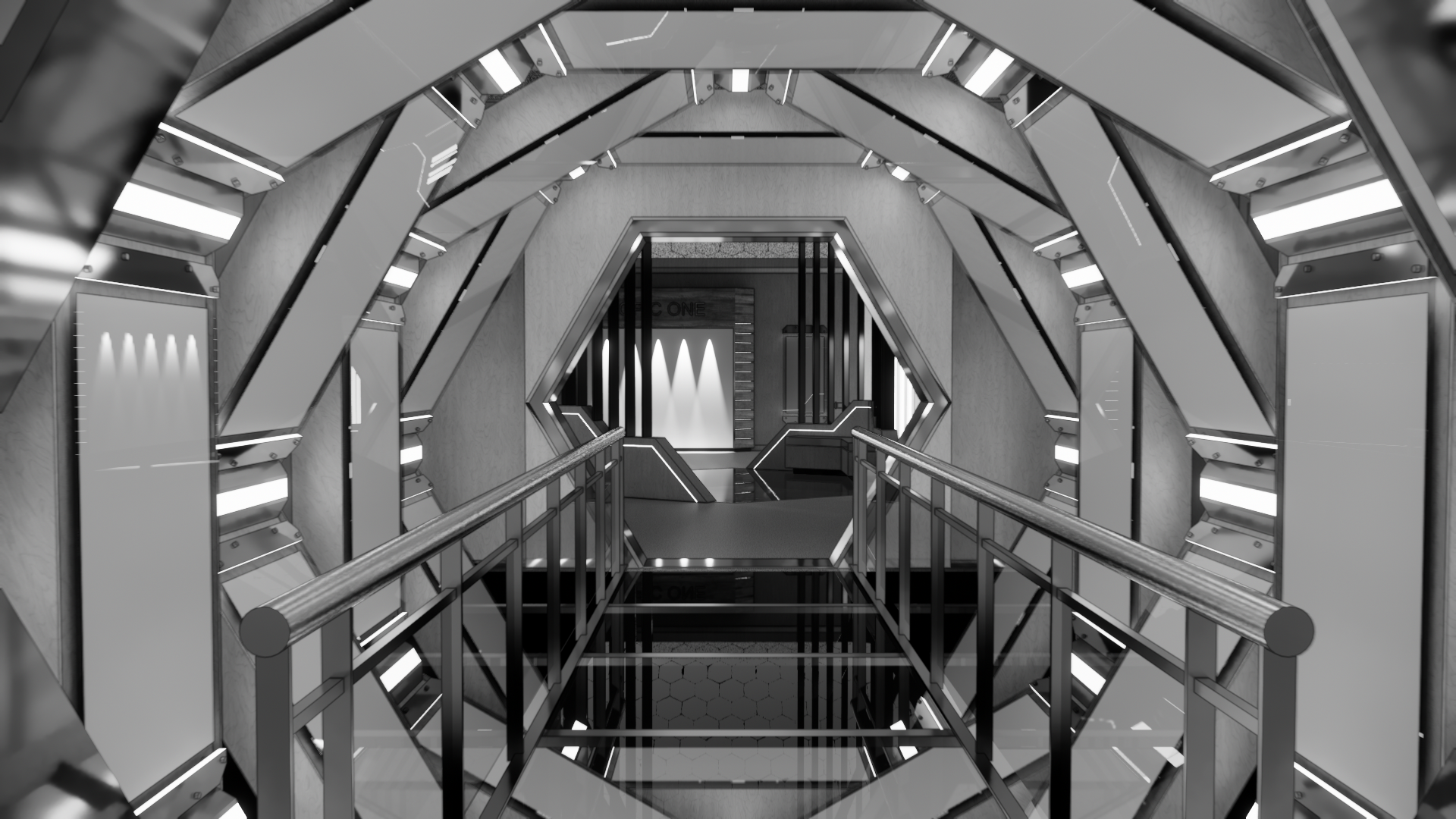
I chose the honeycomb as the organizing structure. A honeycomb only works when every cell is intact and equal — one missing cell weakens the whole. This is not decoration. It is a spatial argument about Commonwealth interdependence.
I chose Spatial.io as the hosting platform specifically because it required no download and no specialist hardware, ensuring equal access regardless of where in the world a visitor was located. A platform that required expensive hardware would have excluded the majority of the intended audience — precisely the youth workers in lower-bandwidth regions the programme exists to serve.
I rejected a country-by-country pavilion structure (the World’s Fair model) because placement and scale inevitably create hierarchy. I rejected an abstract, ‘neutral’ modernist design because neutral design is rarely actually neutral — it typically reads as Western European. I rejected prioritizing visual spectacle over accessibility because spectacle is useless if the audience cannot reach it.
My Judgment
The design had to be politically invisible but culturally generous. No single country’s aesthetic could dominate. I worked at a register deeper than culture — moving to ecology and geometry — finding visual language that predates colonial borders while still feeling warm, specific, and grounded rather than generic. The honeycomb and the ecological palette are not arbitrary. They are the only choices that could hold 56 cultures simultaneously without ranking them.
Challenge
With 56 member nations, there was no neutral design choice available. Every material, every organizing structure, every visual decision was simultaneously an aesthetic choice and a political one — and the entire Commonwealth Secretariat leadership would be in the room to notice if it was wrong.
Approach
I moved below the level of culture — to ecology and geometry — finding visual language that predates colonial borders and carries no hierarchy. Wood, water, landscape textures drawn from across the Commonwealth. A honeycomb that only works when every cell is equal. Nature as the one thing 56 nations share without colonial weight attached.
Outcome
The Commonwealth Secretary-General in England described it as a permanent, interactive, flexible, and adaptable platform — not a one-time event asset. Twenty-three young curators across the Commonwealth built its content through a 10-week training programme. It led directly to my commission for the Museum of Diversity's physical building in Jamaica.
The design had to be politically invisible but culturally generous. No single country's aesthetic could dominate.
Yolande Thame · on Commonwealth VR Space
Production Gallery
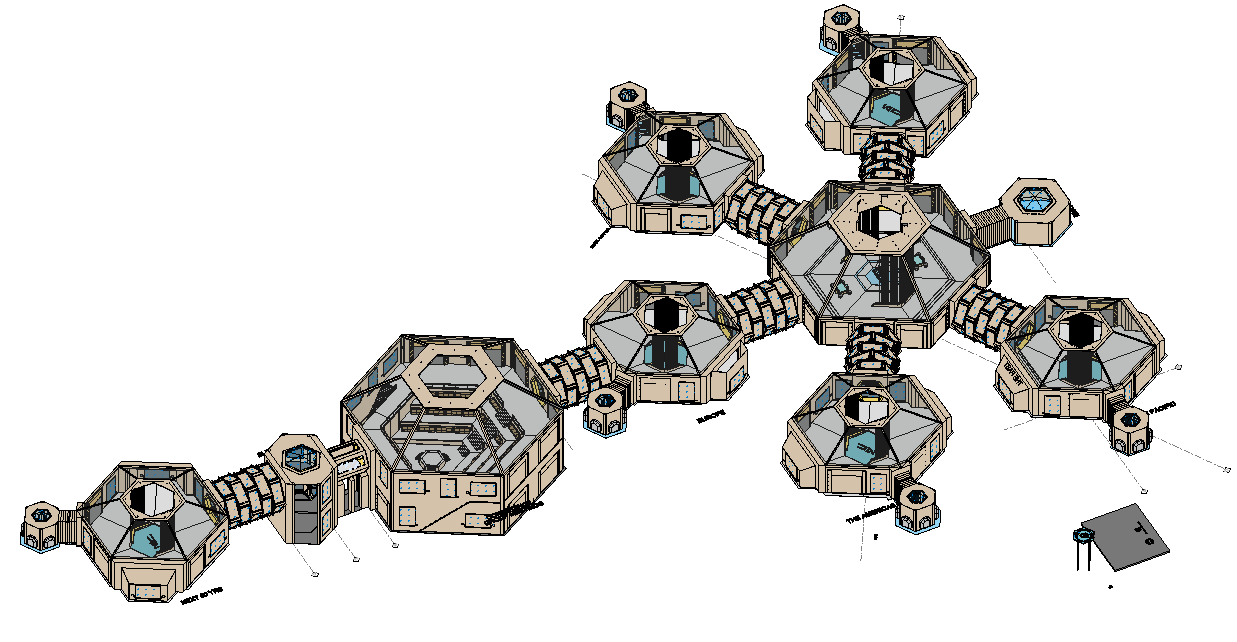
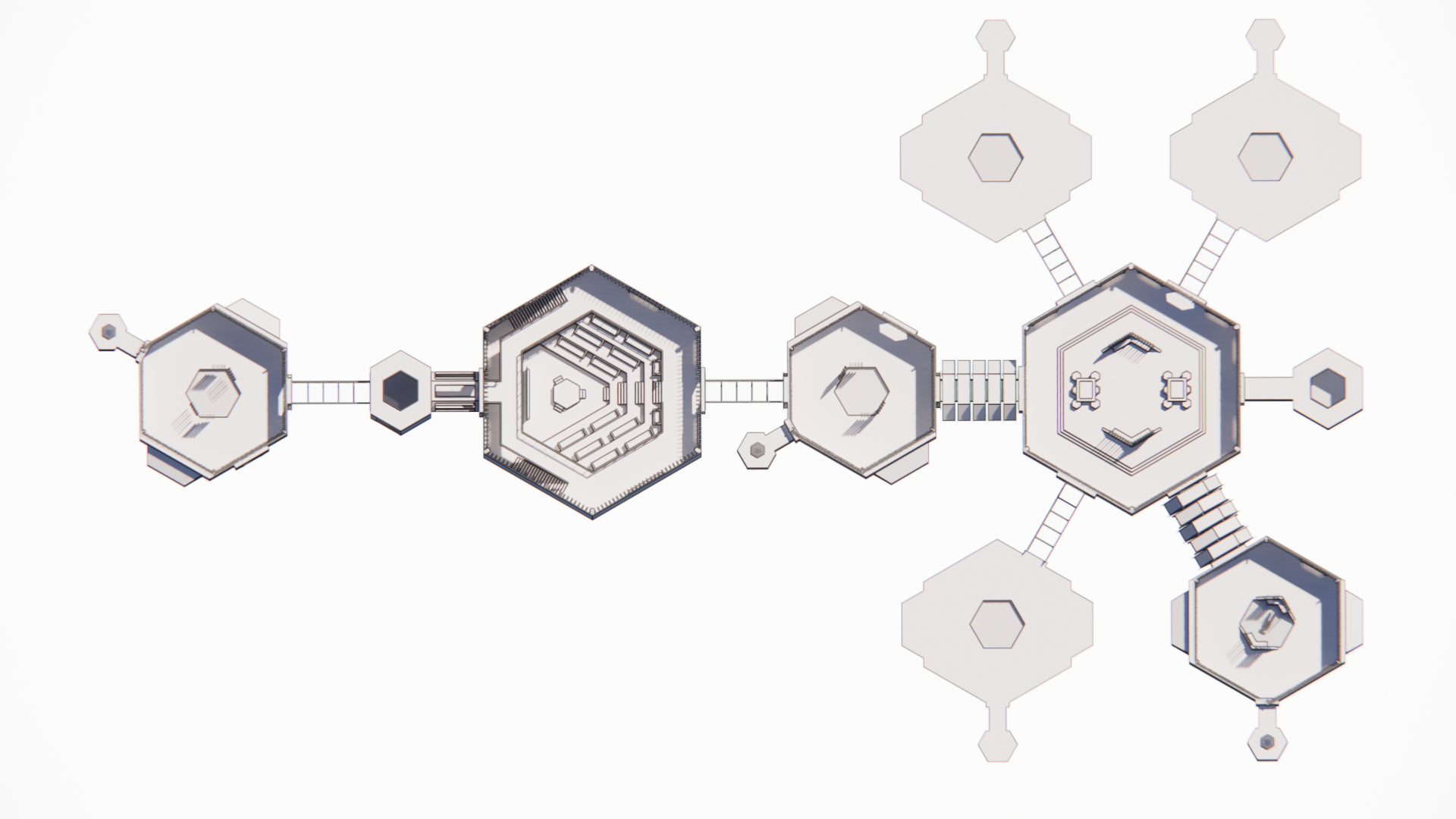
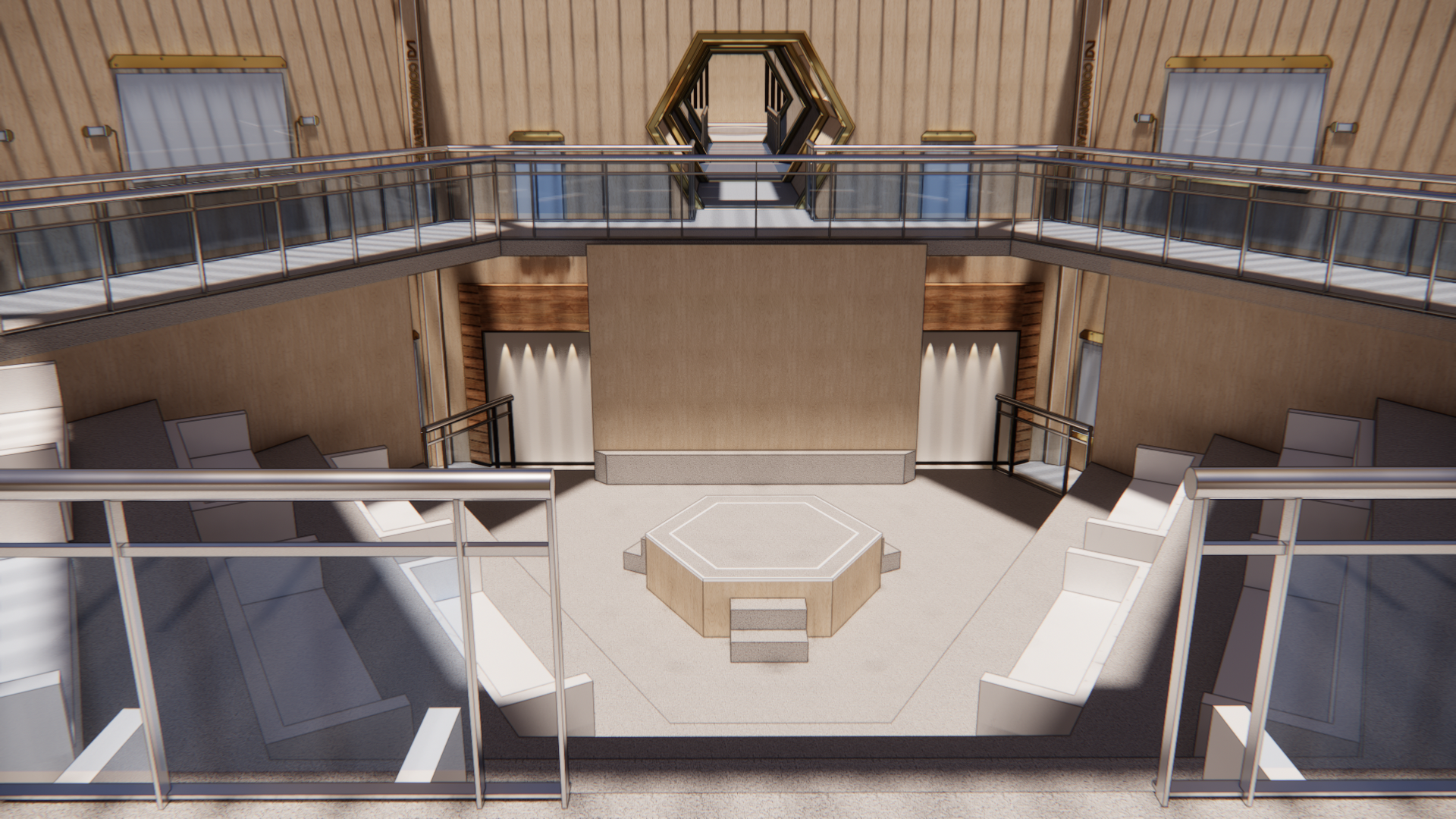
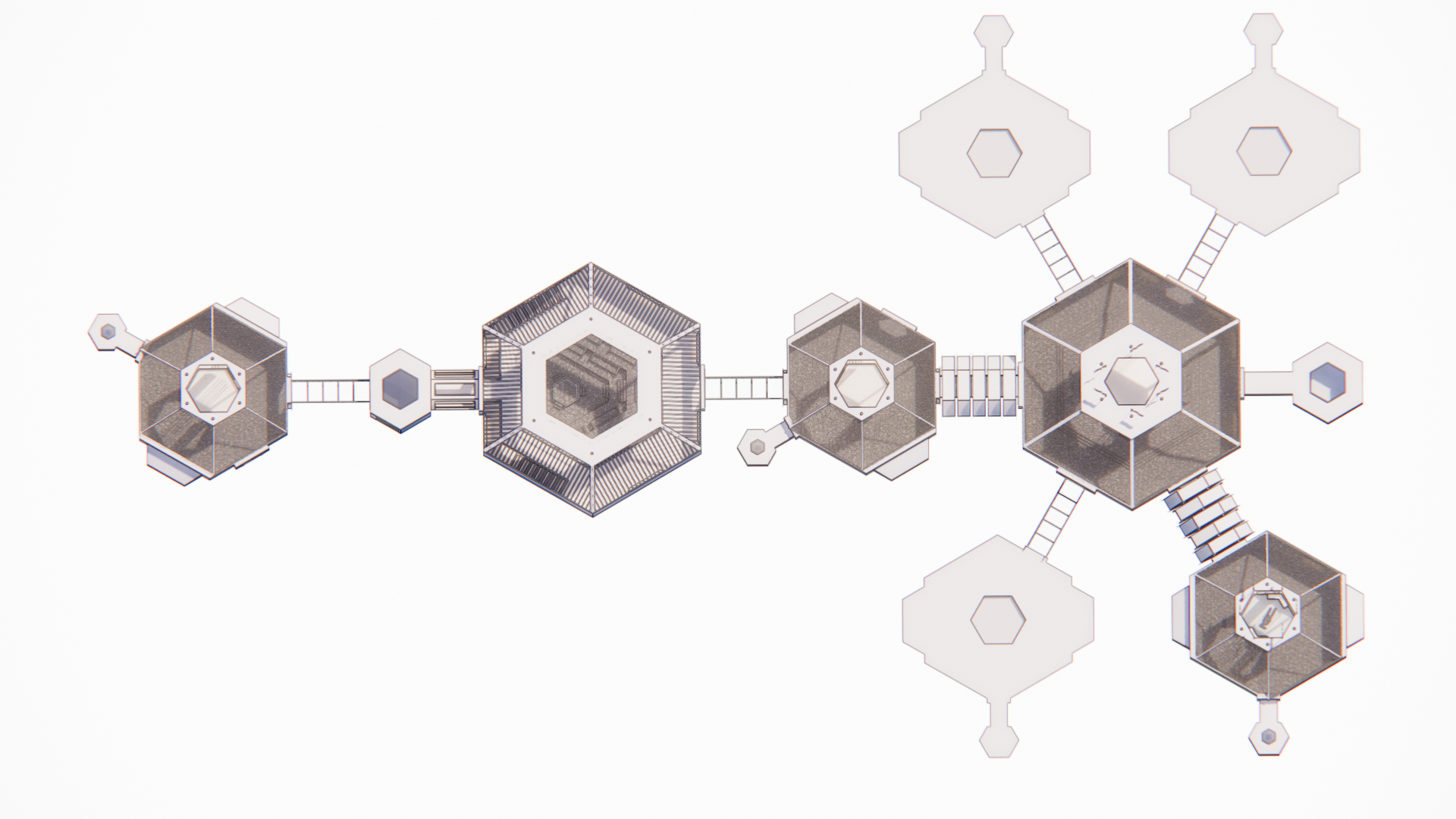
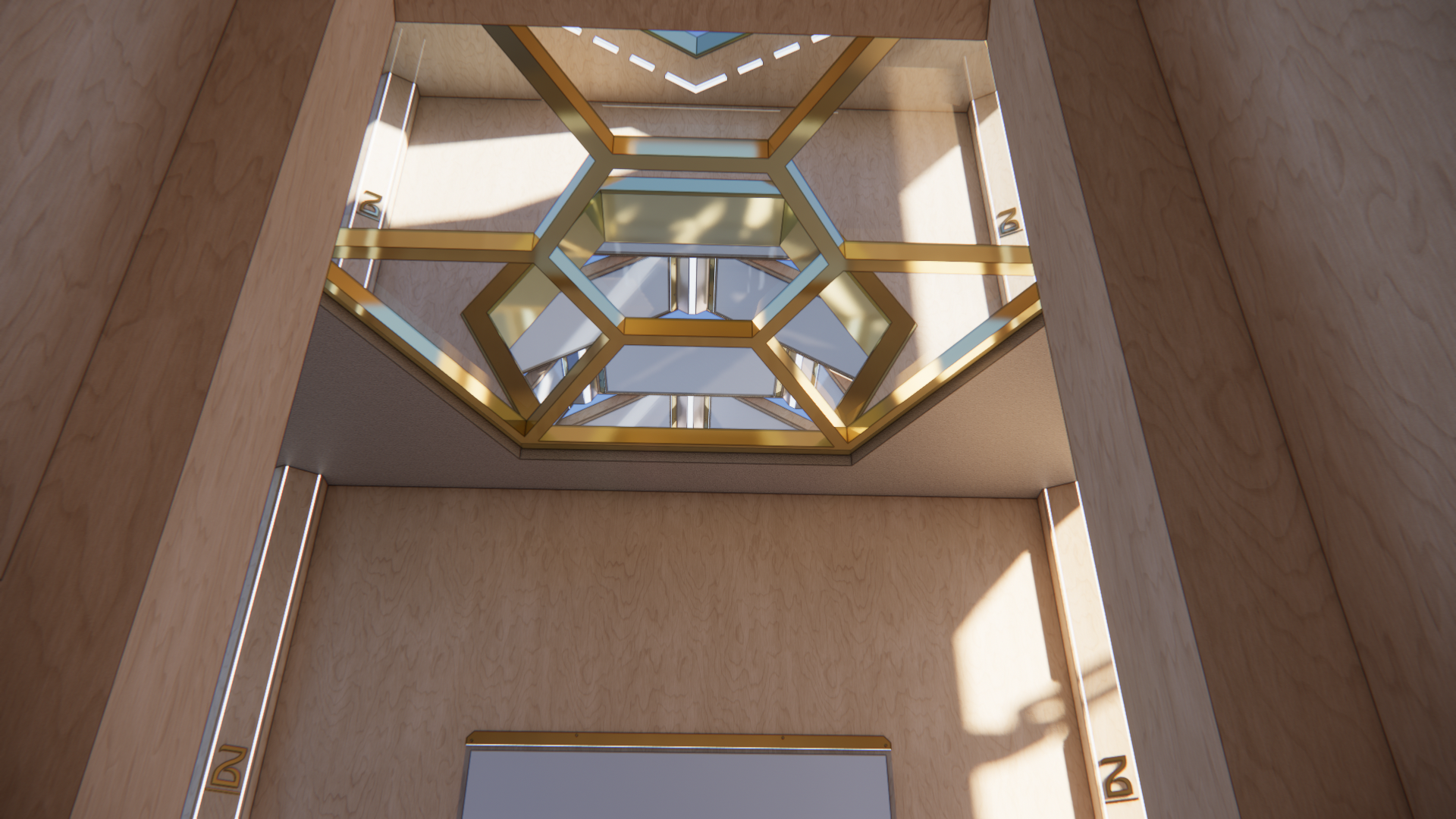
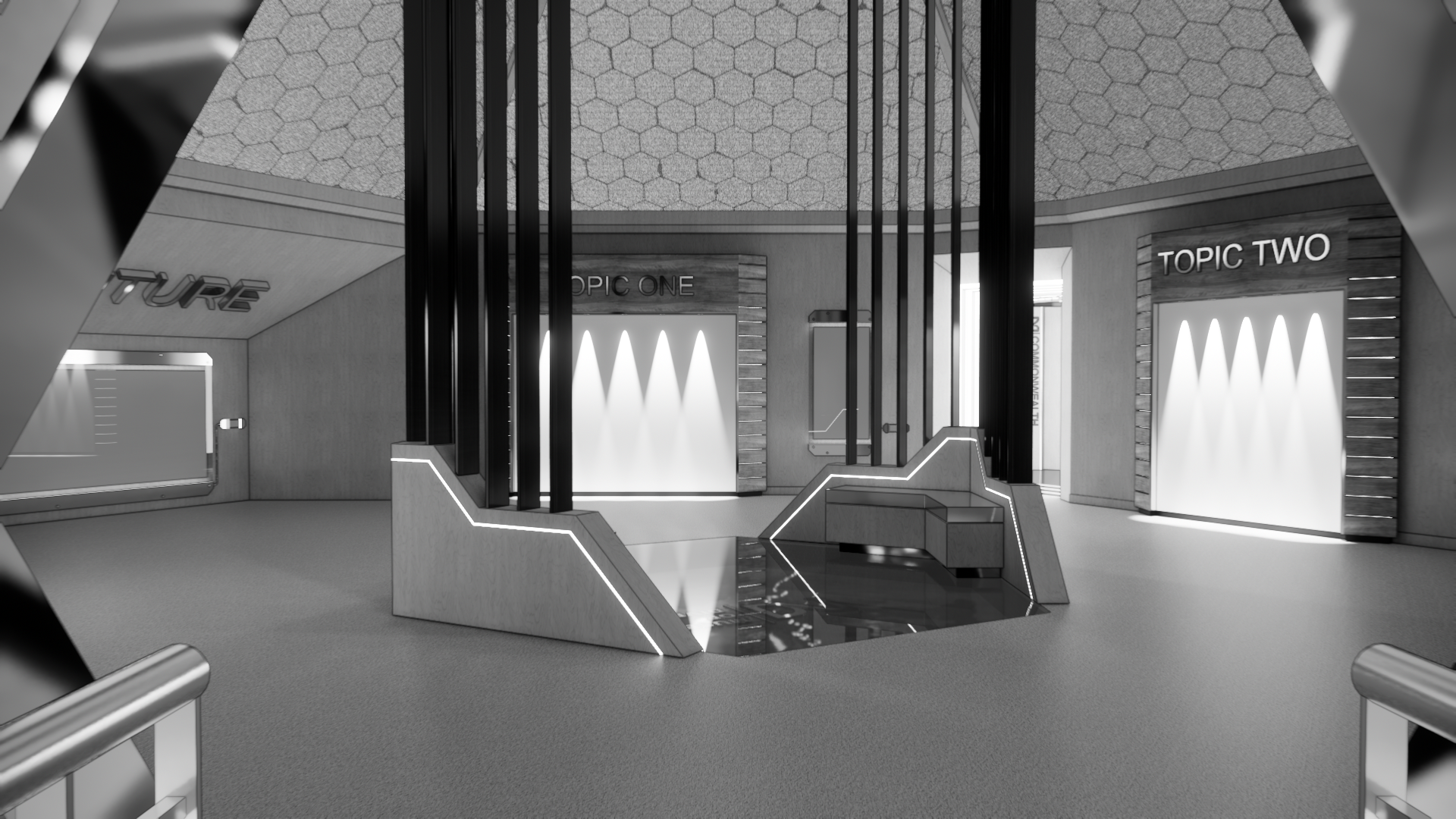
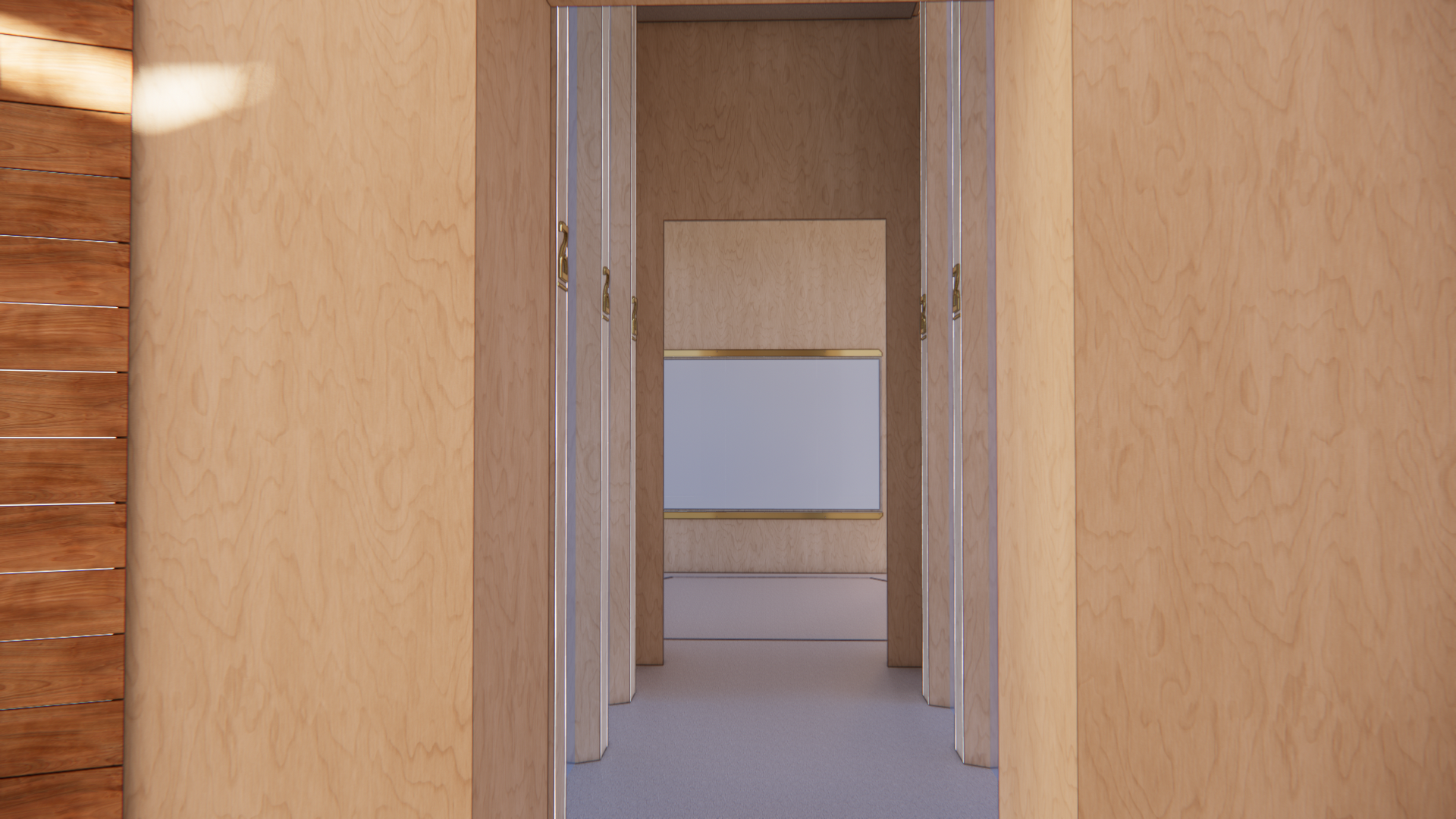
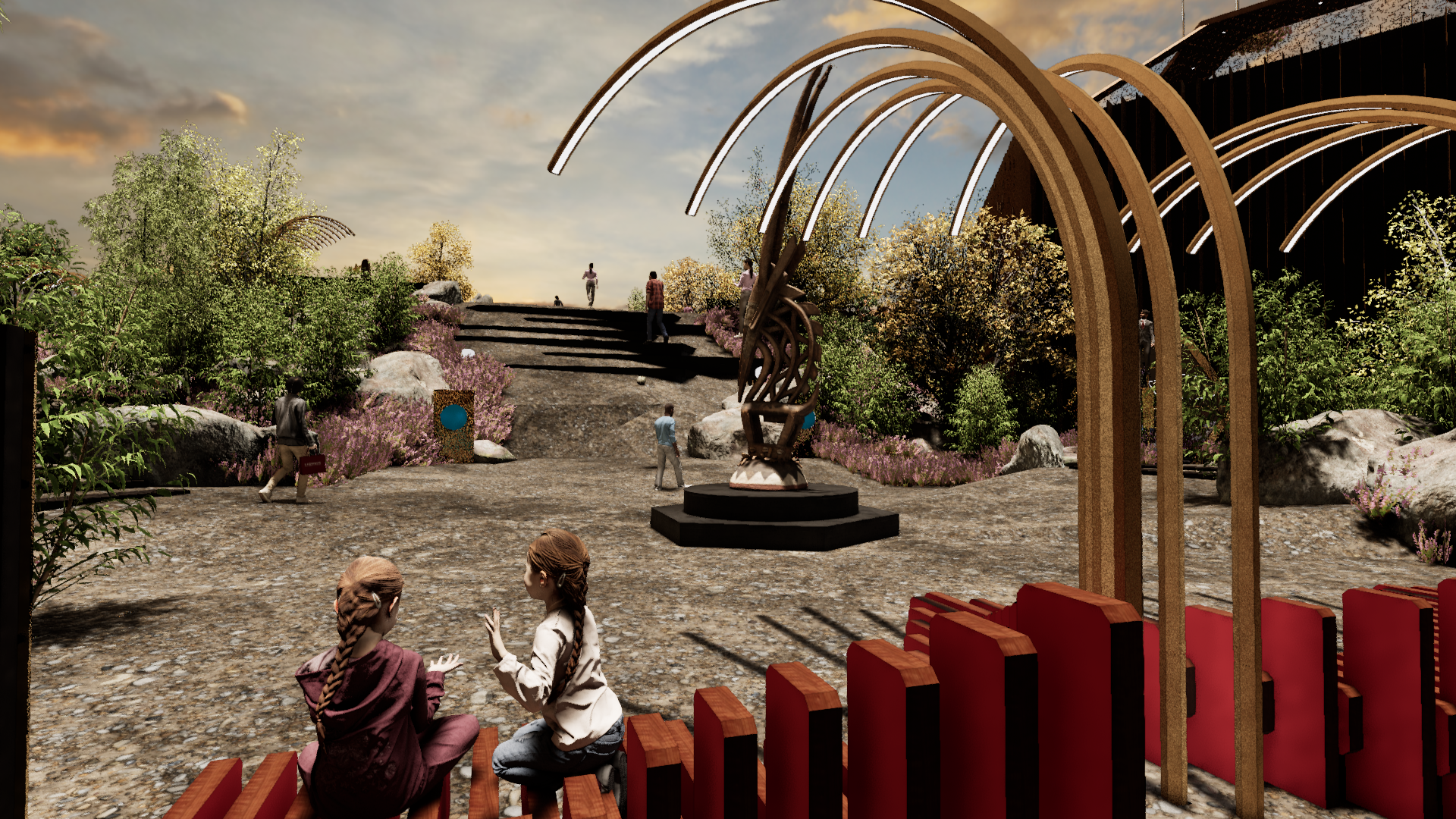
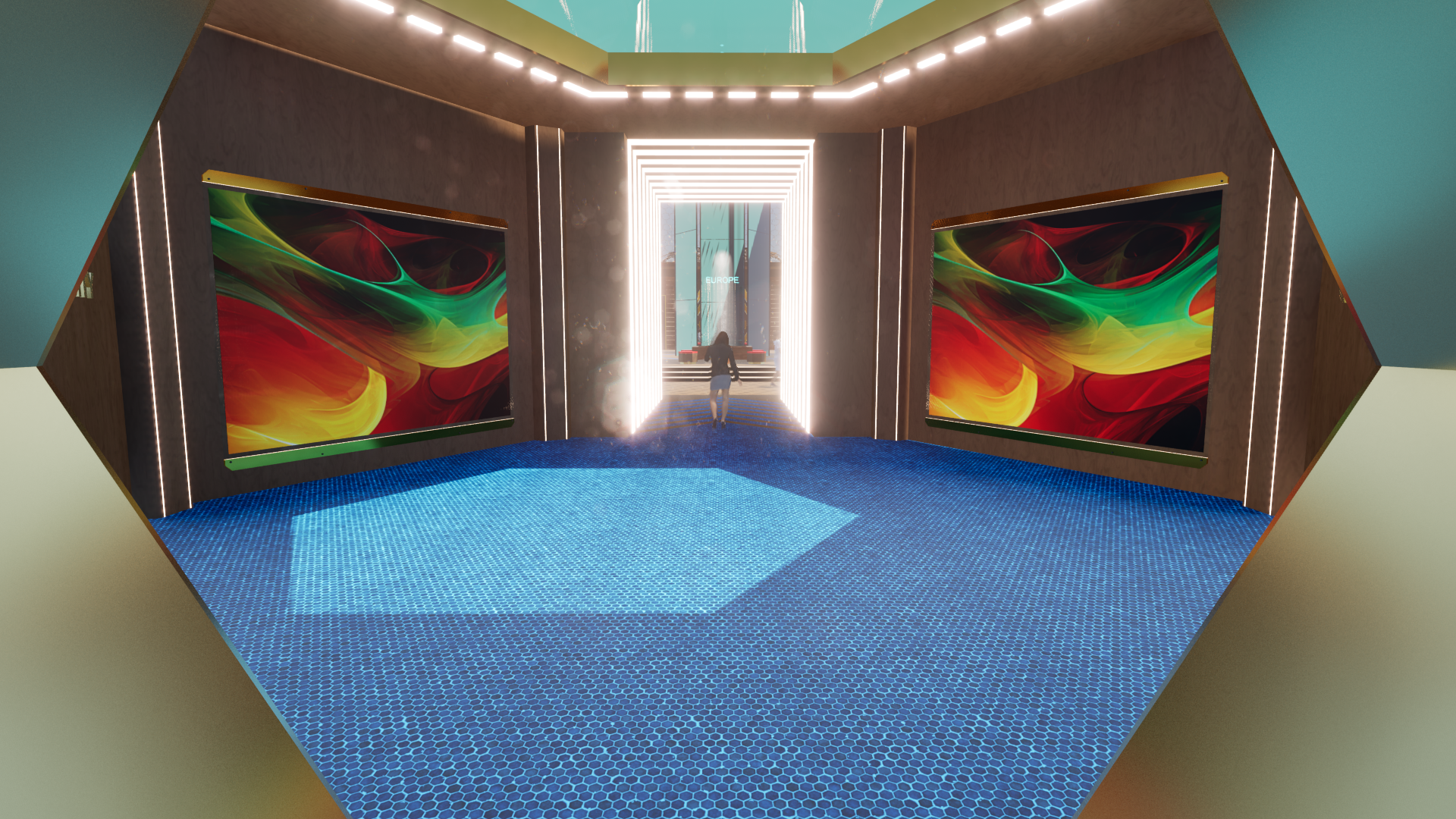
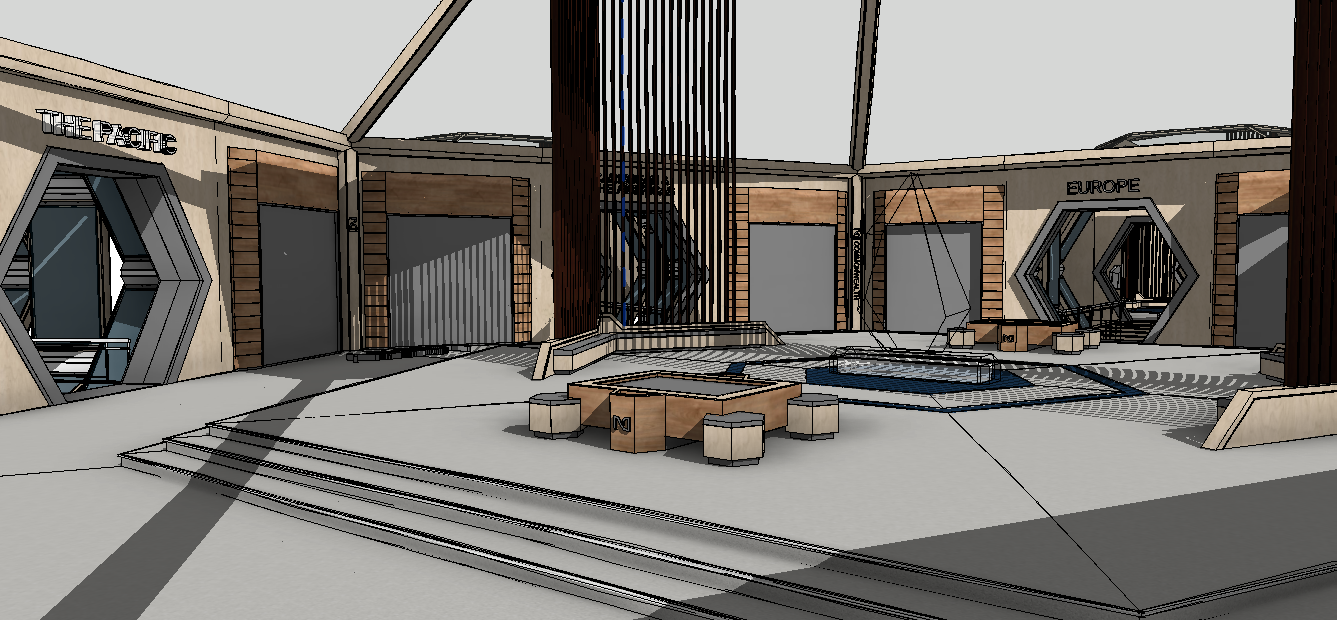
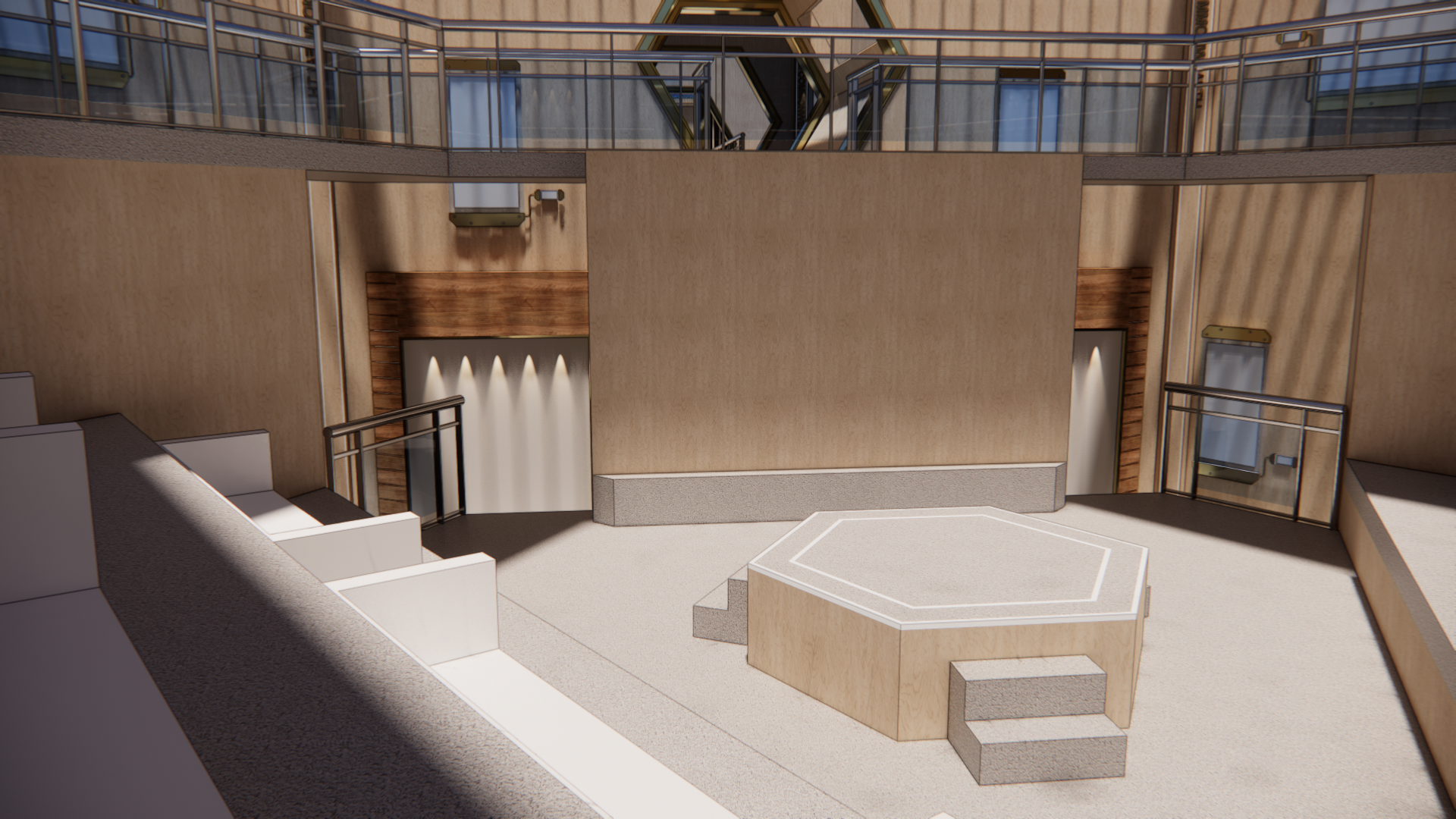
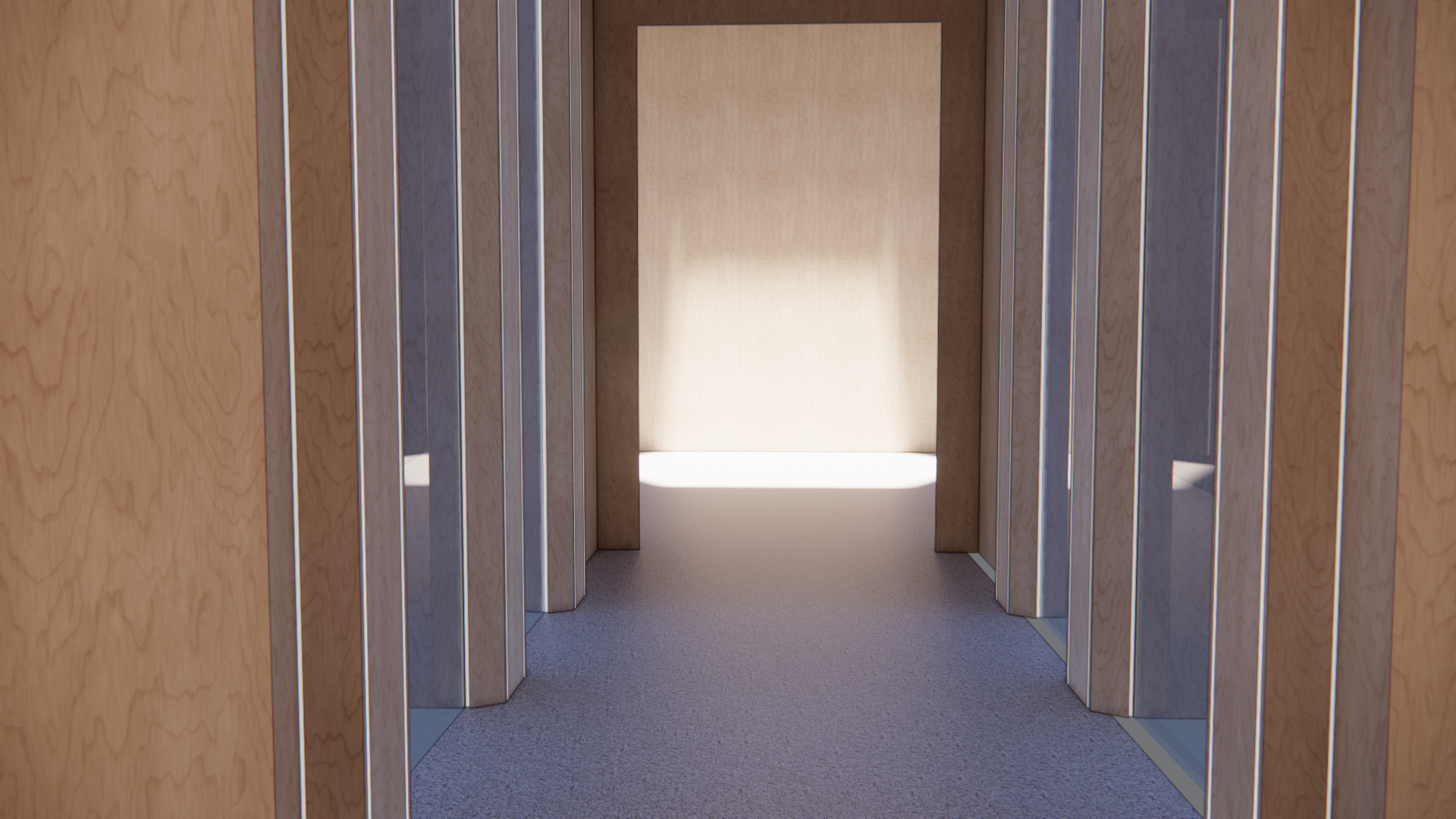
All studio-owned imagery displayed with full production house credit for professional portfolio purposes. Set drawings and technical documents are original work by Yolande Thame.
Impact
The virtual museum launched on International Youth Day, August 12, 2024, at Marlborough House in London — in front of an audience of diplomats, youth workers, High Commissioners, and international stakeholders from across the Commonwealth’s 56 member nations.
Commonwealth Secretary-General the Rt Hon Patricia Scotland KC described it as “a permanent, interactive, flexible and adaptable platform” — not a one-time event asset, but an ongoing institutional resource for the Commonwealth Secretariat.
Twenty-three young curators from across the Commonwealth participated in a 10-week training programme, gaining digital curation and immersive storytelling skills while building the exhibition’s content. The platform established a replicable model for how international organisations can use immersive technology to preserve institutional memory while training the next generation of digital storytellers.
For the Museum of Diversity, the project directly validated their capacity to deliver complex, politically significant cultural work at international scale — and led immediately to my commission to design their permanent physical museum in Jamaica.
Next step