A film set is, by definition, temporary. You build it, you shoot it, you wrap it. The most elaborate construction — a full-scale working kitchen, a period-accurate street, a virtual world built in Unity — exists to be photographed and then released. The camera captures what was there. The thing itself disappears.
I understood this as one of the defining conditions of set design. You build for the lens, not for time. The decisions you make are accountable to the frame, to the performance, to the director's vision for a specific moment. They are not accountable to the person who will stand in that space in twenty years and feel something about it.
Designing the Museum of Diversity Jamaica changed that understanding.
A museum is permanent. Or it is intended to be. The decisions made in the design of a museum — structural decisions, symbolic decisions, the choices about what the building says when it is simply standing there with no one in it — those decisions will be accountable to visitors for decades. Possibly longer. The designer's reasoning will not be present to explain itself. The building will have to speak on its own.
When commissioned to design a concept for the build, admittedly, I felt a heavy weight. I felt a deep responsibility to be true to not just the present culture, but to the past and how all-together the story we tell that will influence the future of the people for generations to come after me that will grace the halls and exhibits of this space.
The particular weight of the MoD Jamaica project was this: the museum is dedicated to Black and diaspora histories, and I chose to anchor it in the Taíno — Jamaica's first people, nearly completely erased through colonization. That is not a decorative choice. It is a statement about where Black diaspora history begins — not with the Middle Passage, but before it. Before the borders that colonization drew. The building's origin story starts in an earlier, deeper history, and it carries that argument in its structure.
Getting that wrong — romanticizing, appropriating, or simply misrepresenting what fragmentary Taíno history tells us — would not be a design mistake that wraps with the production. It would be embedded in a permanent institution, where it would repeat itself in front of every visitor, indefinitely. These visitors are people like me, and my people.
That accountability changes how you research. It changes how careful you are with the distance between what the historical record supports and what would be visually convenient. It changes your relationship with the people whose history you are working with. This is why when dealing with any culture outside your own, you must have the right people in the room, not the experts or the preferred who know nothing about the culture, but make the decision-makers and financiers comfortable. The very design is a nurturing of a relationship with the people.
What it does not change — what I did not expect it to change, but it didn't — is the creative instinct. The impulse to find the form that is true to the content, the geometry that makes the argument, the space that holds what it is supposed to hold. That instinct works the same way whether the thing you are building exists for six weeks of principal photography or for the next fifty years.
What changes is the stakes attached to it.
I think about this now as I work on writing. A film, once released, is also permanent in its own way — it exists, it can be seen, it accumulates meaning over time. The decisions made on the page are accountable to an audience I cannot fully anticipate, in contexts I cannot predict. The cultural material I am working with will be represented in whatever I make of it.
That is not a paralyzing thought. It is a clarifying one.
Jamaica taught me that permanence is not a reason to work more cautiously. It is a reason to work more honestly. To be more precise about what you know and what you are inferring. To make the argument in the structure, not just the surface. To build something that can stand without you there to explain it.
That is the standard I am trying to hold. On the buildings. On the page. On whatever comes next.
Set Designers: Balancing Act Between Film Production and Real-World Renovations
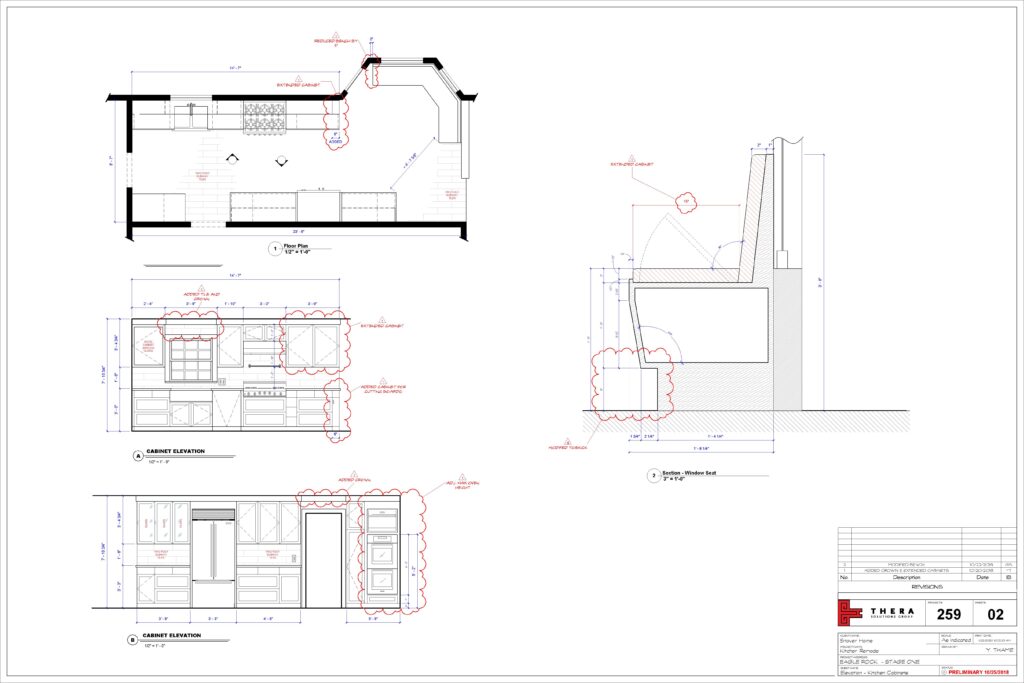
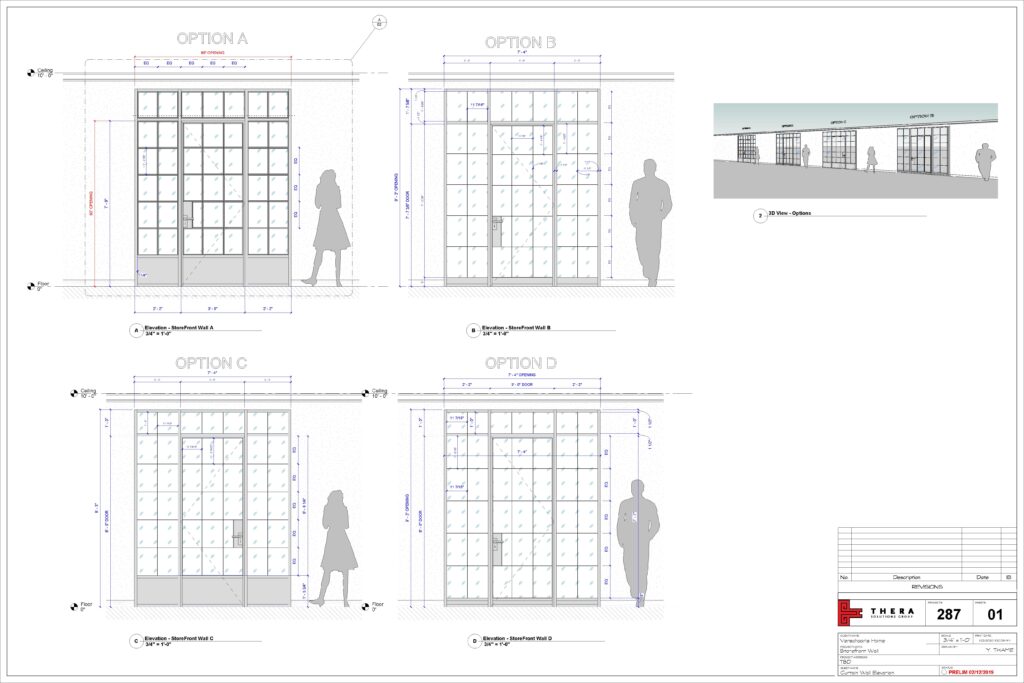
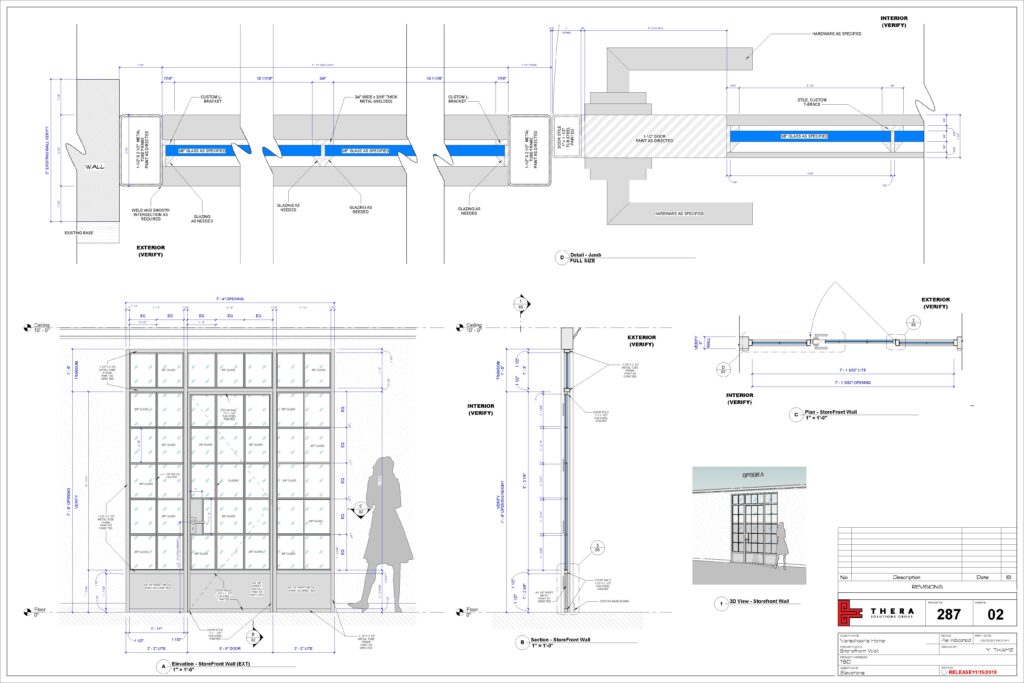
In the whirlwind world of film production, set designers often wear multiple hats. They must navigate the fast-paced demands of the industry, where time is a precious commodity, while simultaneously balancing their roles in the ever-evolving world of real-world renovations. This dynamic duality can be a challenging but rewarding aspect of a set designer’s career.
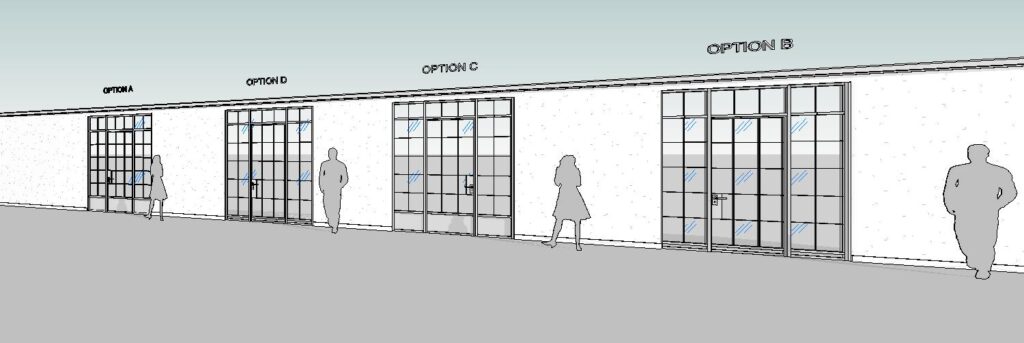
Film bosses, accustomed to the rapid pace of production, can experience “sticker shock” when confronted with the timelines and intricacies of real-world construction projects. It’s common for them to seek assistance from their trusted set designers for their renovation projects. This may include conceptualization, drawing alterations, or even full-scale design and project management.
The dichotomy of these roles requires a delicate balancing act. On the one hand, set designers must meet the industry’s demanding expectations, ensuring film sets are ready to beat the camera’s roll. On the other hand, they find themselves embroiled in renovation projects that require careful planning, attention to detail, and the patience to navigate the world of permits and regulations.
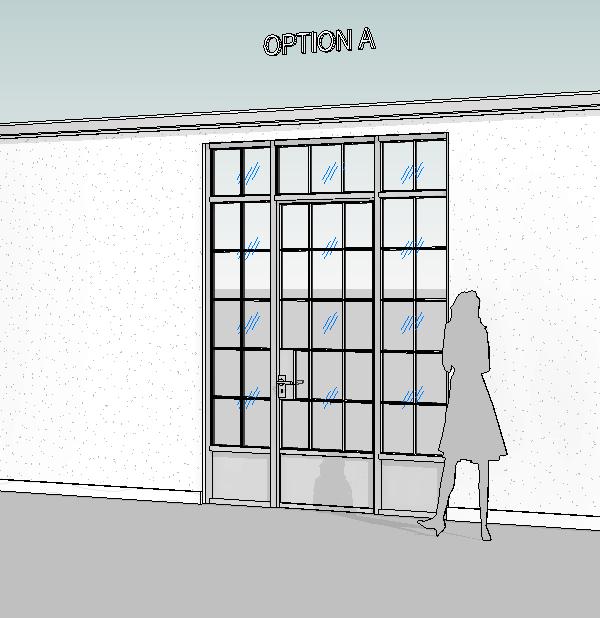
The demands of the film industry can be relentless, with set designers often working long hours to meet tight production deadlines. However, it’s in those moments when the pace slows down that the opportunity arises to explore side projects. These personal ventures can offer valuable modeling experience and present a chance to broaden one’s creative horizons.
The key to success lies in striking a balance. While film production remains the primary focus, these side projects can provide a rich source of learning and growth. They allow set designers to hone their skills, build relationships with vendors, and develop the ability to troubleshoot unforeseen challenges, all while maintaining a passionate connection to the world of design.
In the end, the journey of a set designer is a dynamic one. The ability to seamlessly transition between the demands of the film industry and the intricate world of real-world renovations is a testament to adaptability and creativity. By striking a harmonious balance, set designers can continue to thrive professionally and personally, embracing the ever-changing design landscape with open arms.
Makeshift: A Filmmaking Journey with Coca-Cola Refreshing Filmmaker Award Finalists
Do you remember when you stumbled upon something truly extraordinary, something that felt like a blast from the past? Well, we’re about to take you on a nostalgic trip back to a remarkable moment in our filmmaking journey during our time at the Savannah College of Art & Design.
It all began when our film, “Makeshift,” a Coca-Cola Refreshing Filmmaker Award Finalist, was still just a concept brimming with creativity and youthful enthusiasm. Our team, comprised of talented individuals who shared a passion for storytelling, embarked on a mission to bring this project to life.
The Plot Unveiled
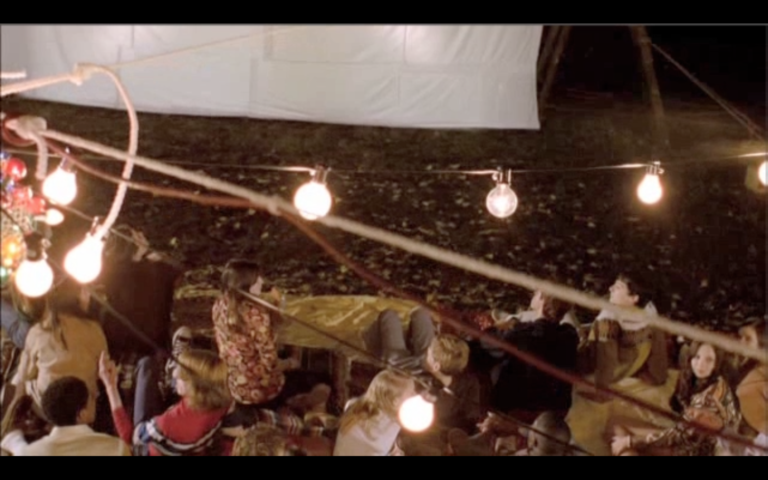
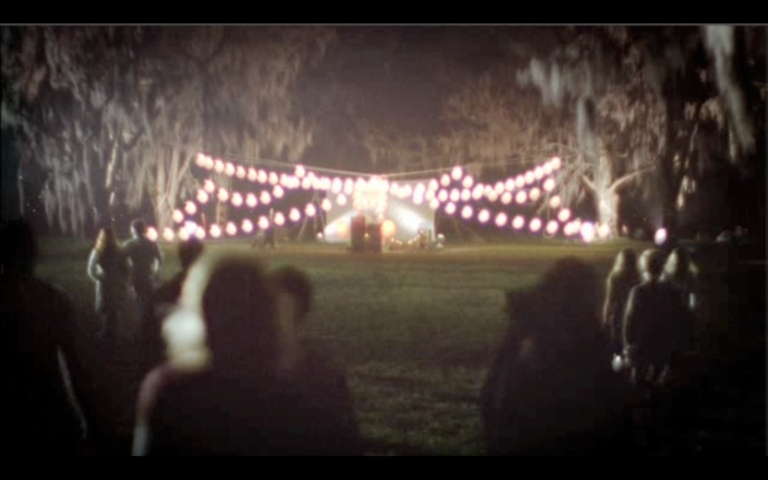
The heart of our commercial revolves around a young man who stumbles upon a group of friends in an open field. Seizing the opportunity to spread joy and excitement, he transforms this simple field into a magical pop-up movie screening. Picture this: a makeshift concession stand, a movie screen, and an old-school film camera all coming together under the summer sky. It’s a story that captures the essence of youthful spontaneity and the joy of creating memorable experiences with friends.
Behind the Scenes
Every great film requires a dedicated crew, and ours was no exception:
Broody Carmikell – Director: The visionary behind the camera, Broody brought our story to life with his exceptional directing skills, ensuring that every frame was infused with the magic of the moment.
Zach Graber – Director of Photography: With an eye for capturing the perfect shot, Zach skillfully crafted the visual narrative, ensuring the essence of summer and camaraderie shone through.
Joshua Green – Production Designer: Joshua was instrumental in setting the stage for our pop-up movie experience, meticulously designing the set to evoke nostalgia and wonder.
Yolande Thame – Set Dresser: As the set dresser, Yolande added the final touches that made our creation feel inspirational and relatable. Her attention to detail breathed life into our project.
Creating Magic on Set
Dressing the set was a task that brought us immense joy. We wanted our audience to feel the nostalgia and excitement that the characters on screen were experiencing. From the retro concession stand filled with iconic Coca-Cola bottles to the warm, inviting glow of the makeshift movie screen, every element was carefully chosen to create a sense of wonder.
Conclusion
Our film, “Makeshift,” a Coca-Cola Refreshing Filmmaker Award Finalist, was not just a project; it was a journey filled with passion, creativity, and the joy of filmmaking. It reminds us of the power of spontaneity, the importance of creating unforgettable moments, and the magic that happens when a group of talented individuals comes together to tell a story.
So, as you sip on your Coca-Cola and reminisce about those timeless moments, remember that “Makeshift” captures the magic of the past and brings it to life on the silver screen. Cheers to the power of storytelling and the memories that last a lifetime!
My First Directorial Debut: A Student’s Journey into Filmmaking
Stepping into the director’s chair for the first time is akin to embarking on an exhilarating rollercoaster ride. As a graduate student pursuing my master’s in fine art at the Savannah College of Art and Design, this experience was a pivotal moment in my filmmaking journey.
https://vimeo.com/34744191
The project revolved around a quirky exotic dancer psyching herself for a peculiar and enigmatic night’s work. This narrative, filled with intrigue and character complexity, excited my creative spirit. Collaborating closely with my talented cinematographer, Catalina Alcaraz-Guzman, we embarked on translating our vision onto the screen.
One of the most challenging aspects was getting the lighting right inside the car: the confined space and the need to create a specific mood added complexity to the task. Every shadow, every beam of light, was a brushstroke on our cinematic canvas. It was in these moments of trial and error that I discovered the true artistry of filmmaking, where precision meets creativity.
Reflecting on this experience, I pondered what I might do differently if I had the opportunity to revisit that director’s chair. I realized I would embrace a faster pacing, injecting a sense of urgency into the narrative. The world would be a bit “grimier,” capturing the raw and unfiltered essence of the story.
This first directorial debut was a whirlwind of discovery and growth. It taught me that the director’s chair is not just a seat; it’s a realm of endless possibilities where storytelling and artistry converge. It’s a journey I eagerly continue as I navigate the exciting world of filmmaking and uncover new layers of creativity with each project.
Unveiling the Creative Journey: Behind the Scenes of “Secret Number”
Creativity knows no boundaries, and every artistic endeavor has a unique story waiting to be told. One such narrative is the journey behind the scenes of “Secret Number,” a captivating short film. While the final product shines on the screen, it’s the creative process that truly brings the story to life.
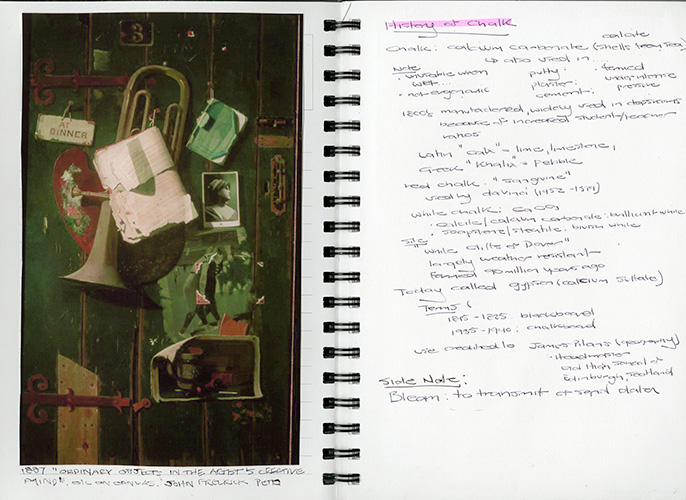
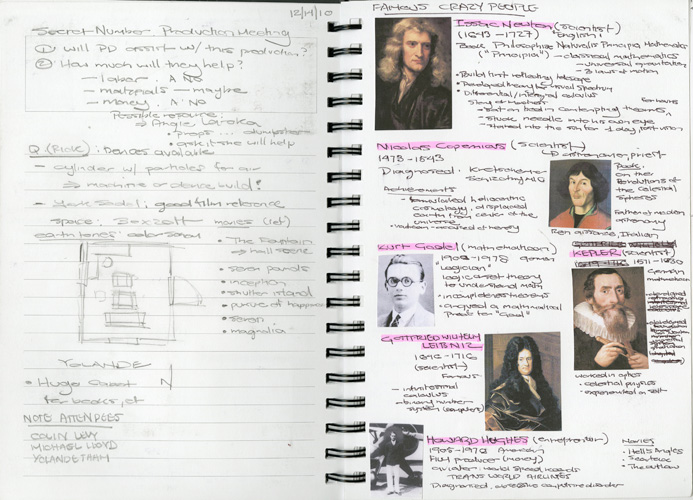
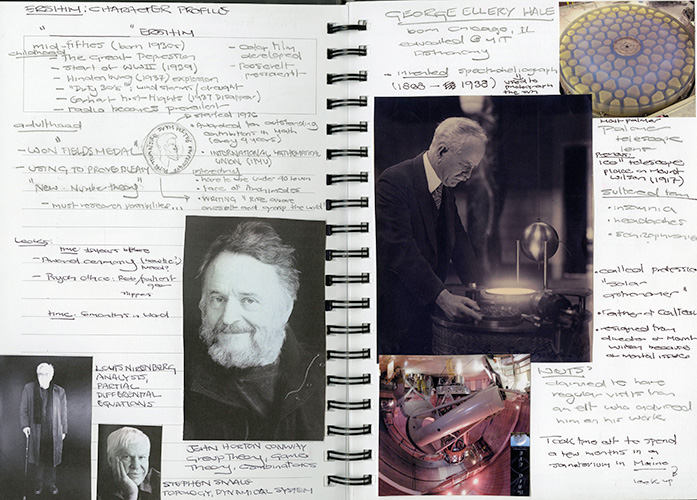
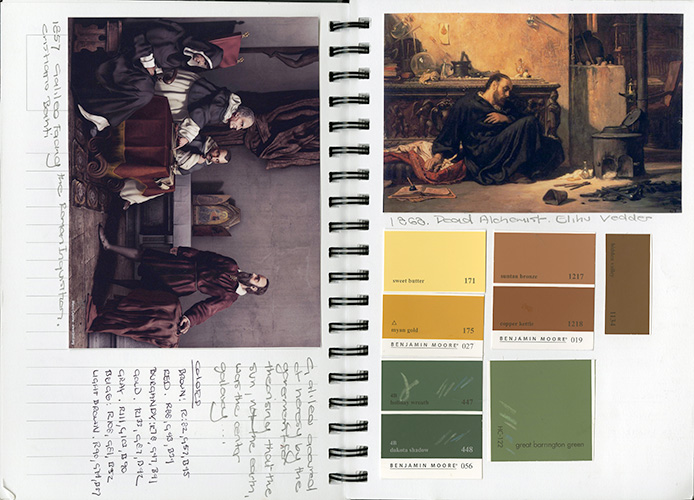
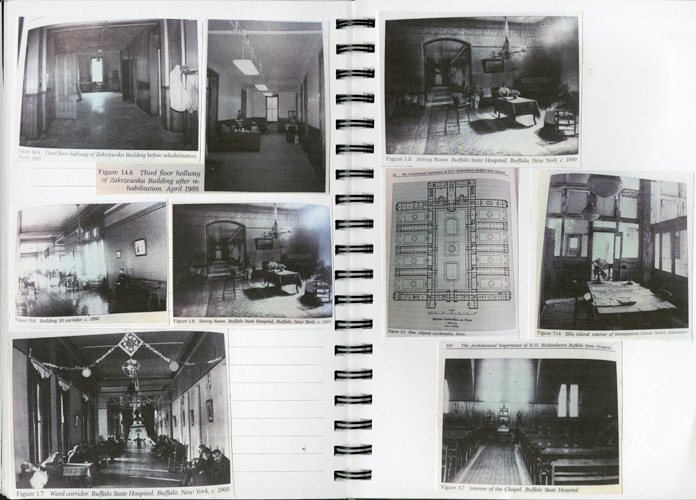
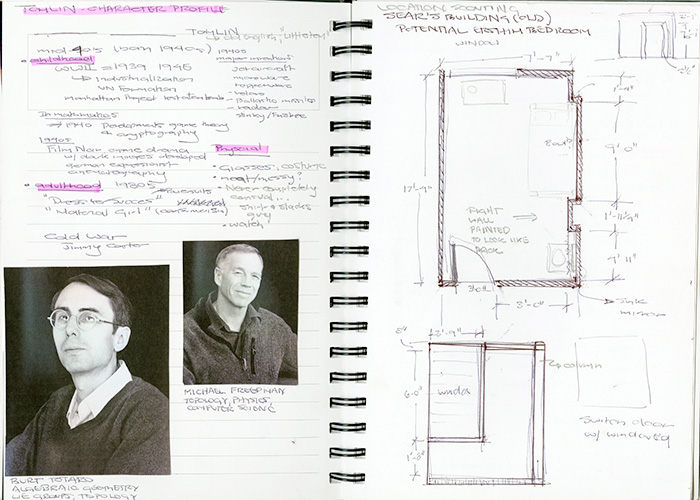
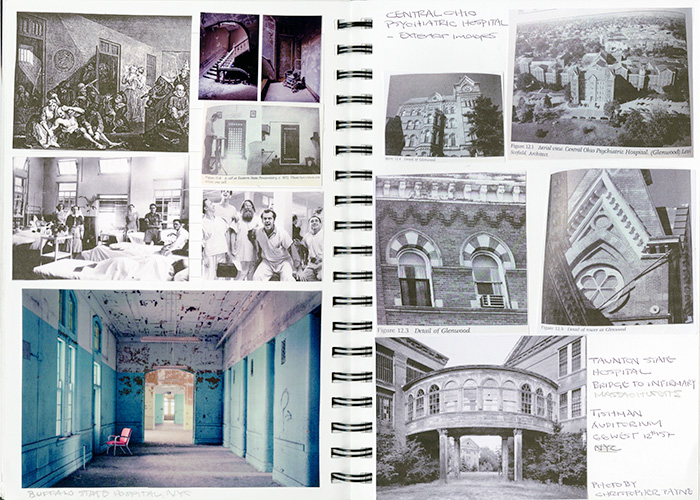
The pages from the process book for “Secret Number” offer a glimpse into the intricate web of inspiration, research, and planning that goes into crafting a cinematic masterpiece. Filled with inspirational paintings, research photos, and thumbnail layouts, these pages are more than just a visual diary—they are a window into the creative mind of the artist.
Planning meetings may have been the backdrop for these pages, but they are far from mundane notes. They are a testament to the artist’s unwavering dedication to capturing the perfect aesthetic, emotion, inspiration, and scope for each film scene. Every stroke of the brush and every image is carefully chosen, and every thumbnail sketch is a step closer to the realization of the filmmaker’s vision.
In the world of filmmaking, all roads of inquiry are not only valid but essential. They lead to discovering new ideas, unexpected emotions, and uncharted horizons. It’s the willingness to explore every avenue, no matter how unconventional, that often leads to groundbreaking cinematic experiences.
The journey of “Secret Number” was not just about creating a film; it was an exploration of creativity and an opportunity to learn and grow. The film crew’s collaboration and the artist’s dedication converged to craft a narrative that transcends the screen.
While the final product is a testament to the power of storytelling, the process book pages are a tribute to the creative journey that brought “Secret Number” to life. They remind us that behind every captivating film lies a world of inspiration, experimentation, and artistic exploration.