Set Designers: Balancing Act Between Film Production and Real-World Renovations
In the whirlwind world of film production, set designers often wear multiple hats. They must navigate the fast-paced demands of the industry, where time is a precious commodity, while simultaneously balancing their roles in the ever-evolving world of real-world renovations. This dynamic duality can be a challenging but rewarding aspect of a set designer’s career.
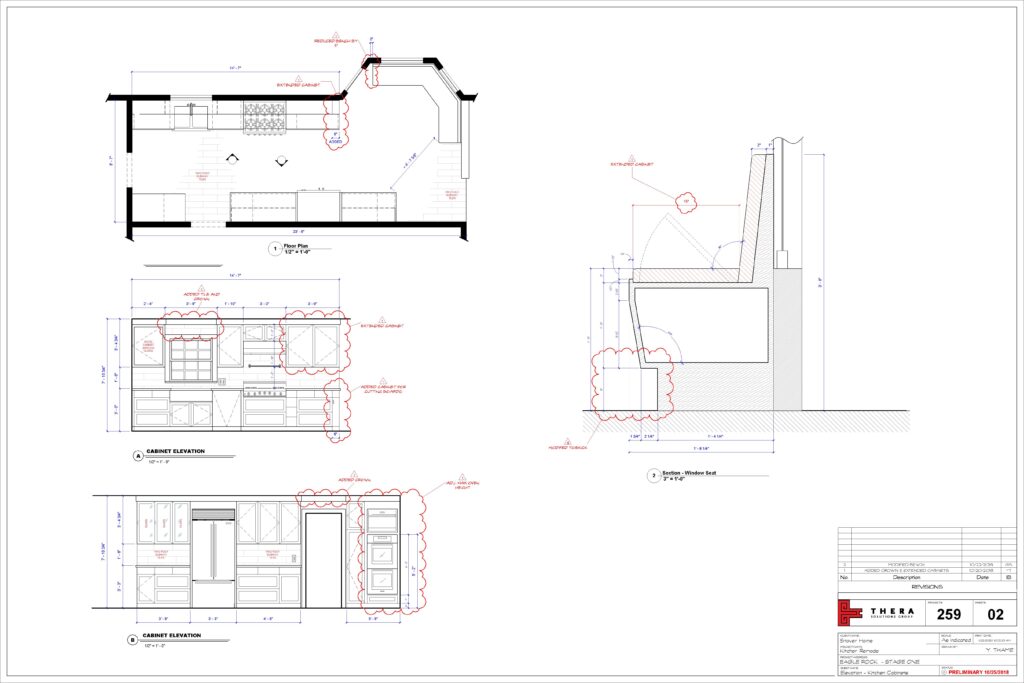
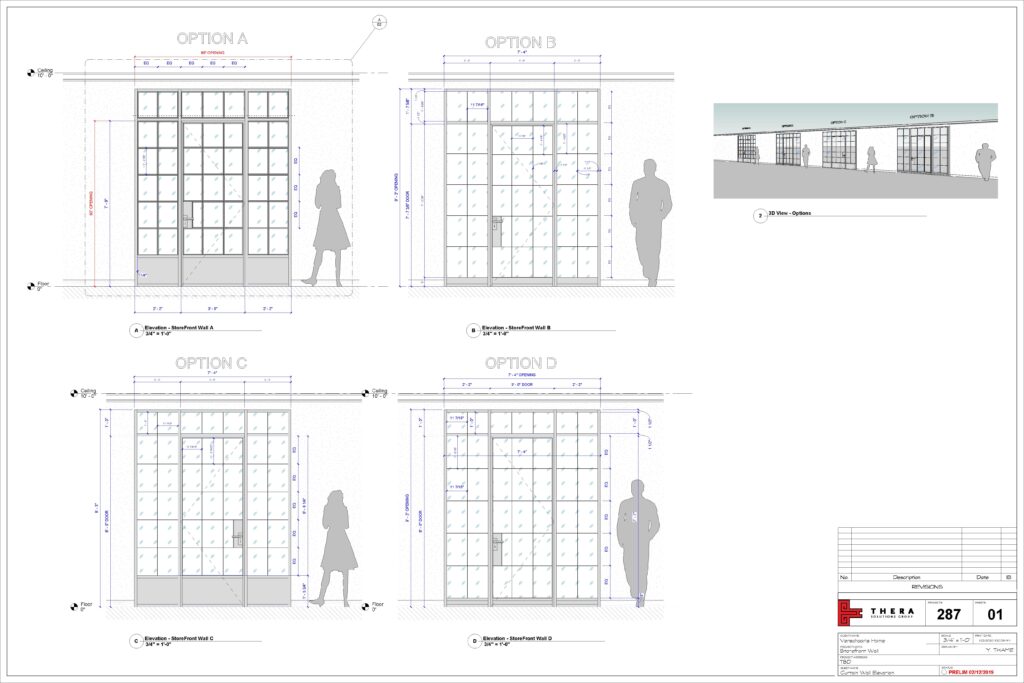
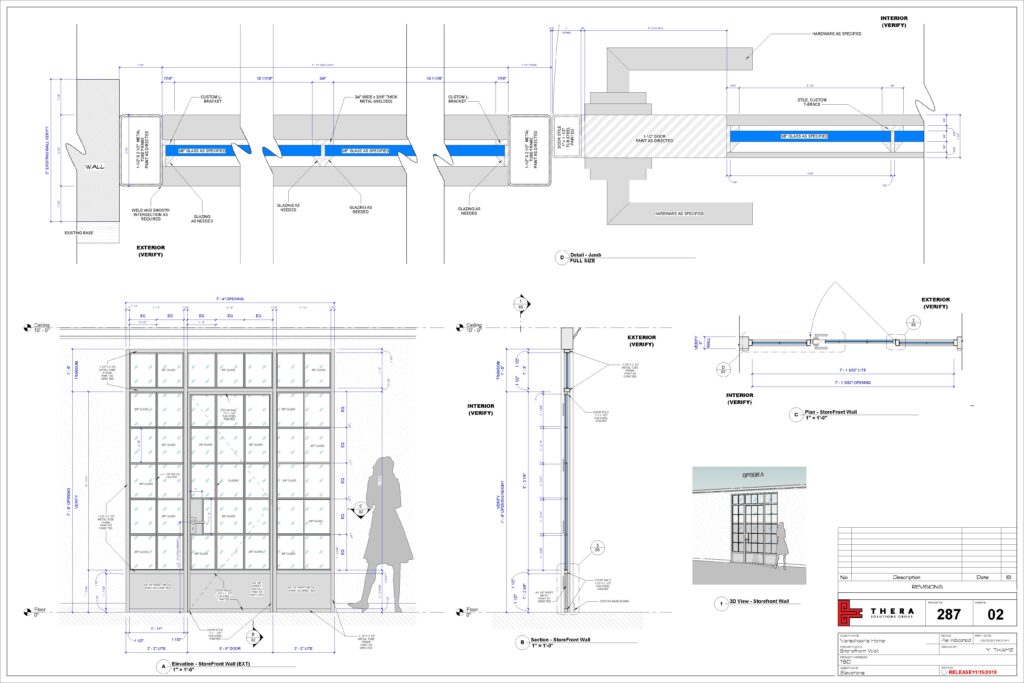
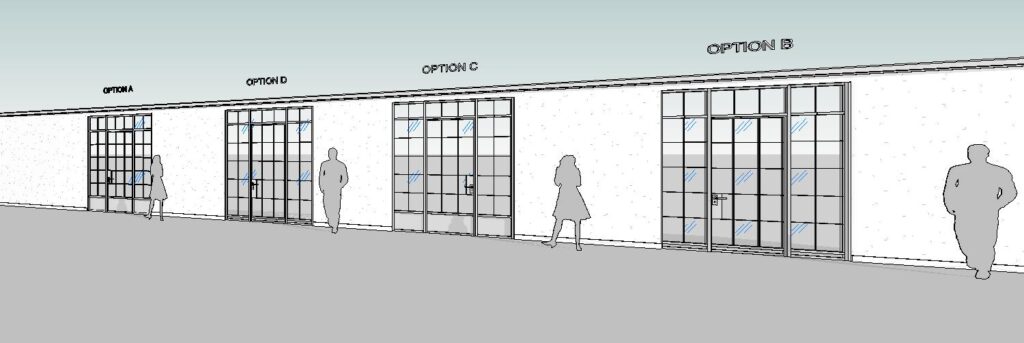
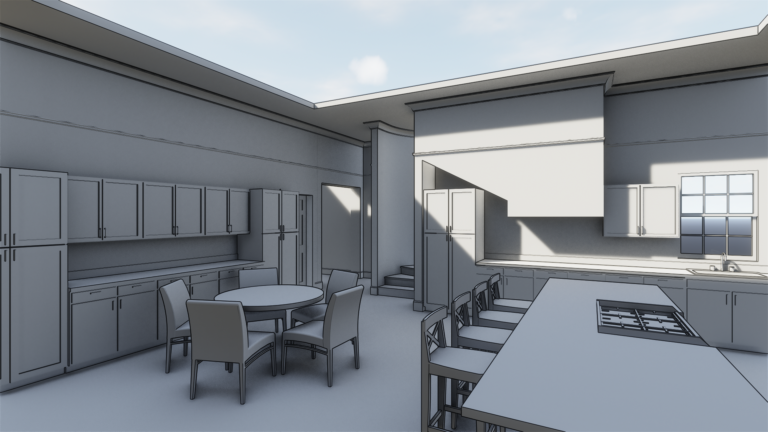
Film bosses, accustomed to the rapid pace of production, can experience “sticker shock” when confronted with the timelines and intricacies of real-world construction projects. It’s common for them to seek assistance from their trusted set designers for their renovation projects. This may include conceptualization, drawing alterations, or even full-scale design and project management.
The dichotomy of these roles requires a delicate balancing act. On the one hand, set designers must meet the industry’s demanding expectations, ensuring film sets are ready to beat the camera’s roll. On the other hand, they find themselves embroiled in renovation projects that require careful planning, attention to detail, and the patience to navigate the world of permits and regulations.
The demands of the film industry can be relentless, with set designers often working long hours to meet tight production deadlines. However, it’s in those moments when the pace slows down that the opportunity arises to explore side projects. These personal ventures can offer valuable modeling experience and present a chance to broaden one’s creative horizons.
The key to success lies in striking a balance. While film production remains the primary focus, these side projects can provide a rich source of learning and growth. They allow set designers to hone their skills, build relationships with vendors, and develop the ability to troubleshoot unforeseen challenges, all while maintaining a passionate connection to the world of design.
In the end, the journey of a set designer is a dynamic one. The ability to seamlessly transition between the demands of the film industry and the intricate world of real-world renovations is a testament to adaptability and creativity. By striking a harmonious balance, set designers can continue to thrive professionally and personally, embracing the ever-changing design landscape with open arms.
Mastering the Art of Raked Floors in Revit: A Cinematic Twist on Architectural Design
In the theater world, raked or sloped floors are a common sight. They serve a dual purpose: as a visual trick to manipulate perspective and as a subtle means to guide actors gracefully through a set. However, when it comes to film and television, raked floors aren’t as prevalent. Cameras prefer horizontal surfaces to glide upon smoothly. But today, I’d like to share a technique I recently remembered in Revit that allows you to achieve raked floors effortlessly.
The Revit Revelation: Creating Raked Floors
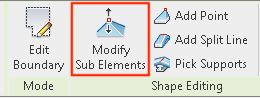
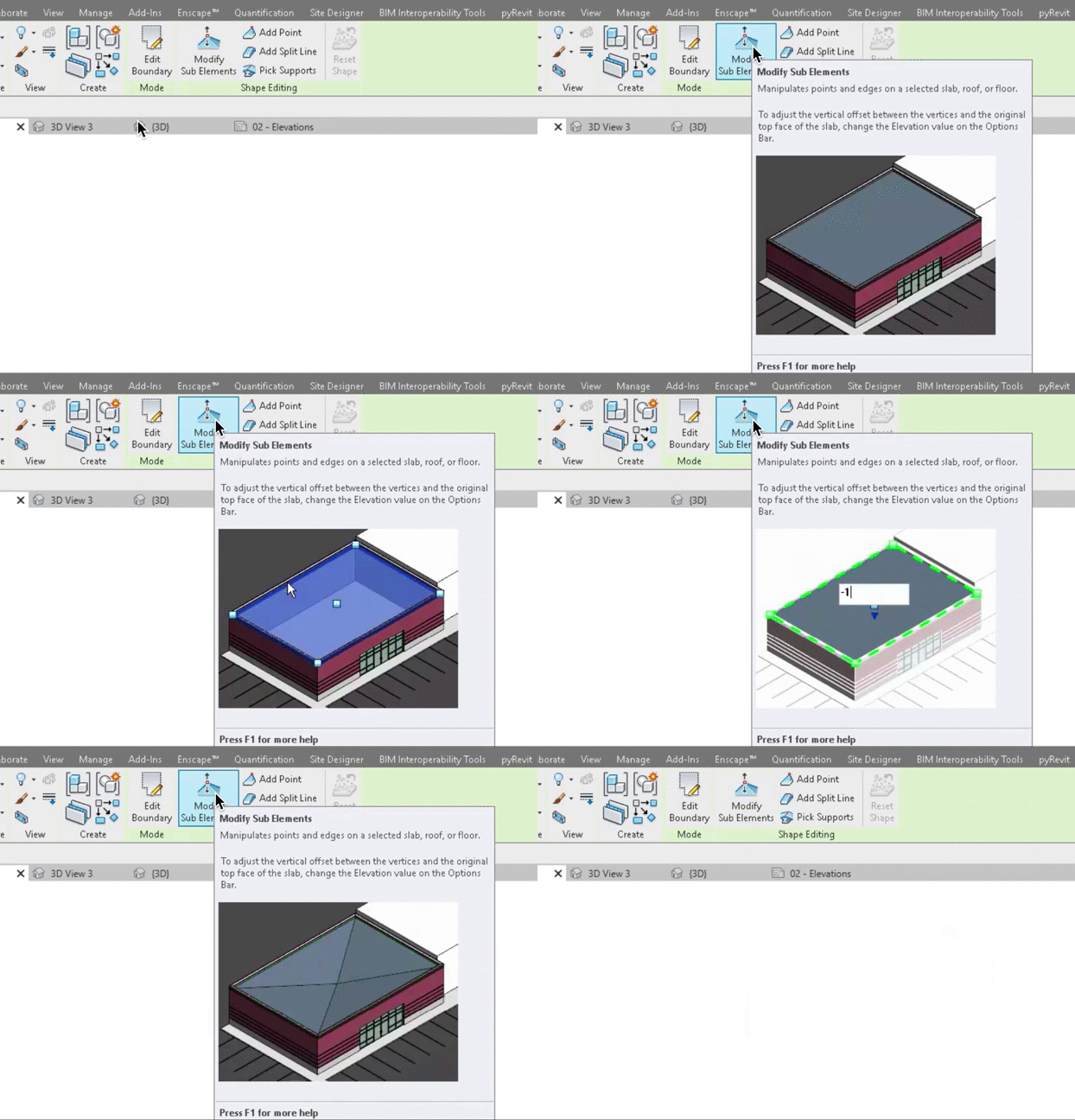
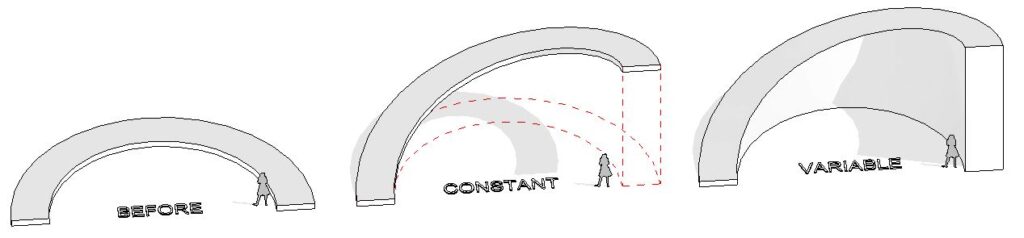
The process is surprisingly straightforward. It begins just like any other floor creation in Revit, but here’s where the magic happens. After creating and selecting your floor, look for the “Modify Sub Elements” button. This button grants you access to the vertices of your shape, giving you the power to create as many as you need. From there, you can adjust the height of each point or boundary line. The result? A floor that transitions smoothly, creating the raked effect you desire.
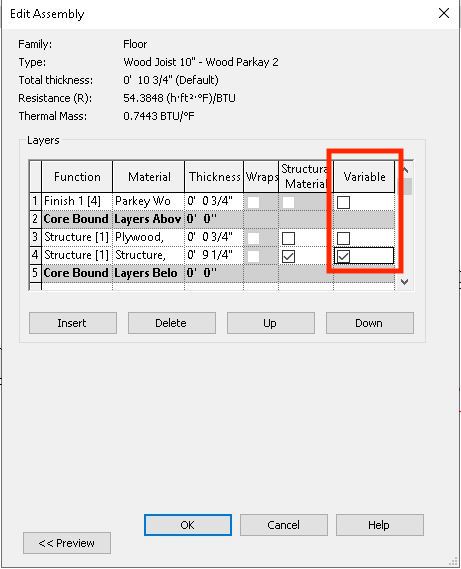
Now, you have some flexibility in how you execute this. You can maintain a consistent thickness for the floor or create a solid ramp-like structure. The choice is yours, thanks to the “variable” checkbox in your floor’s assembly properties.
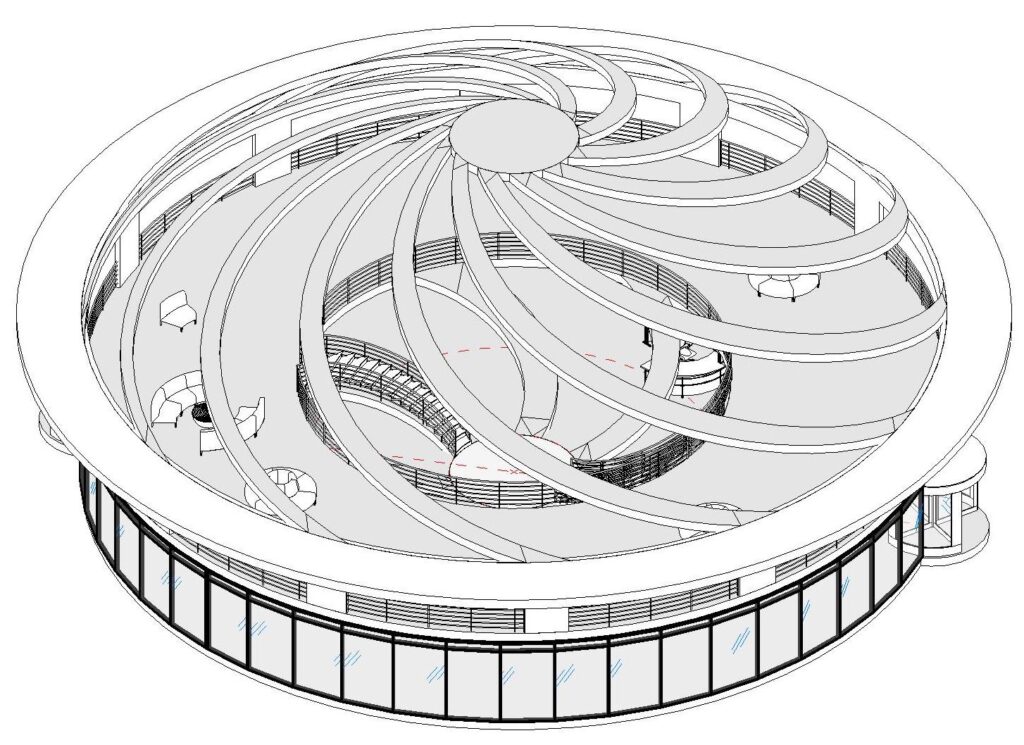
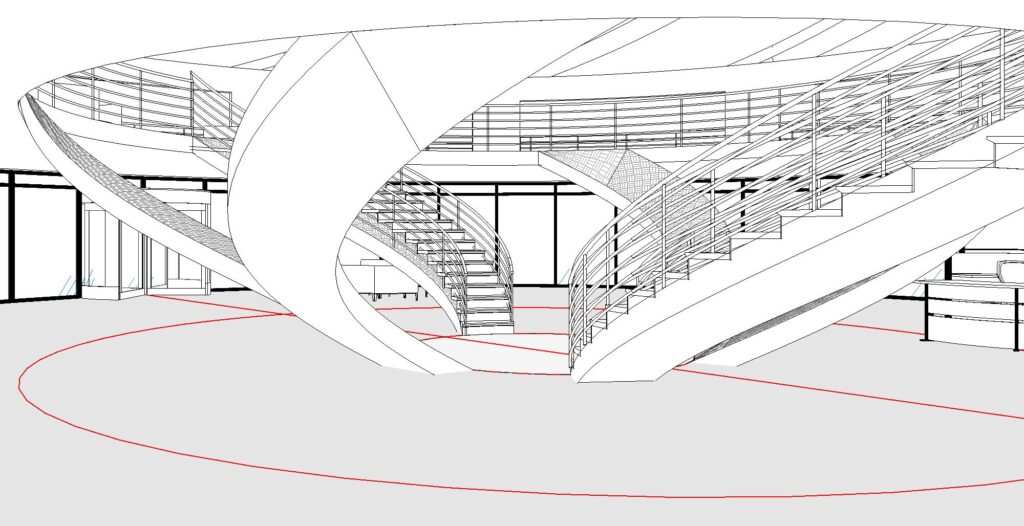
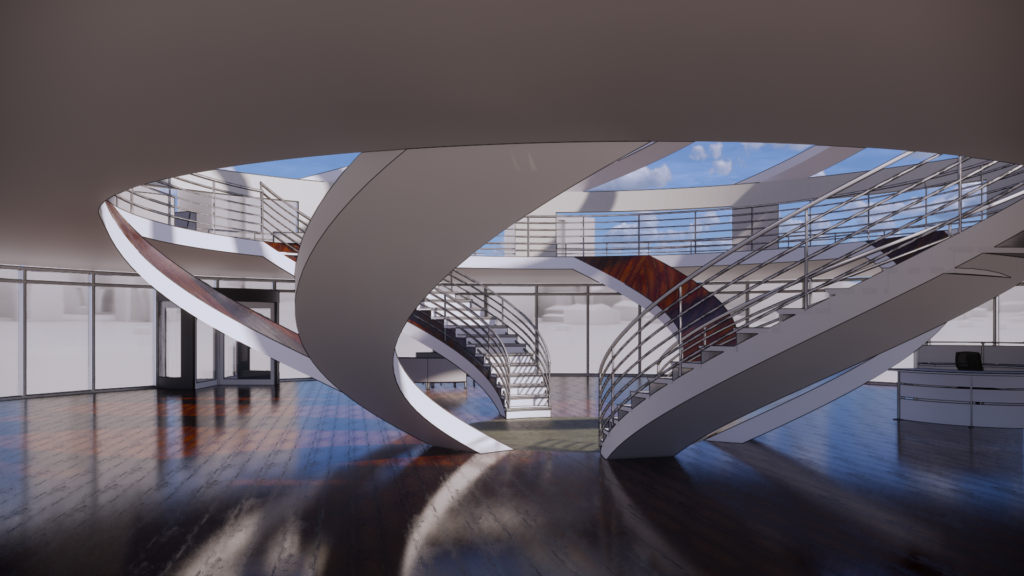
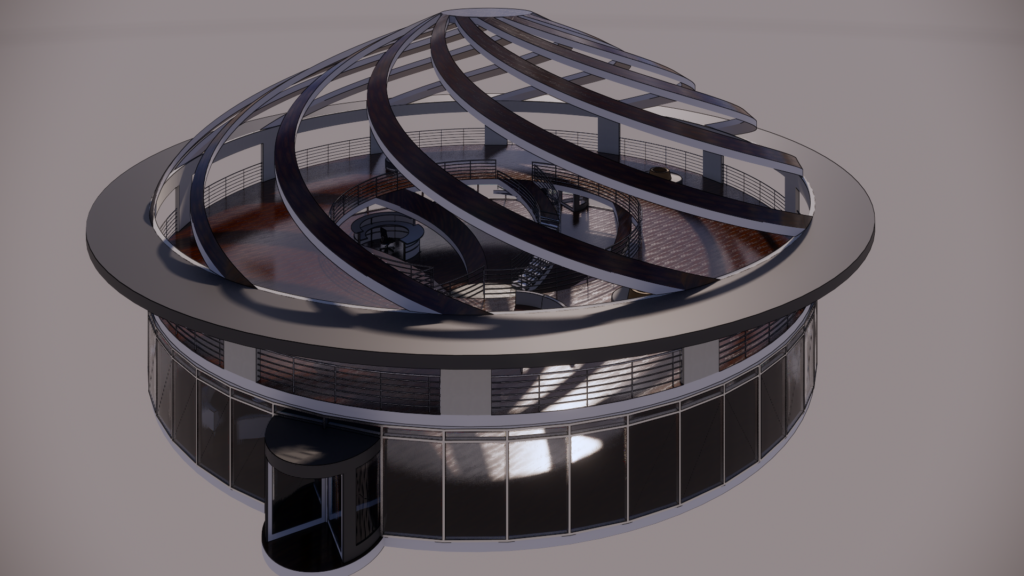
Putting It into Practice: Curved Slopes
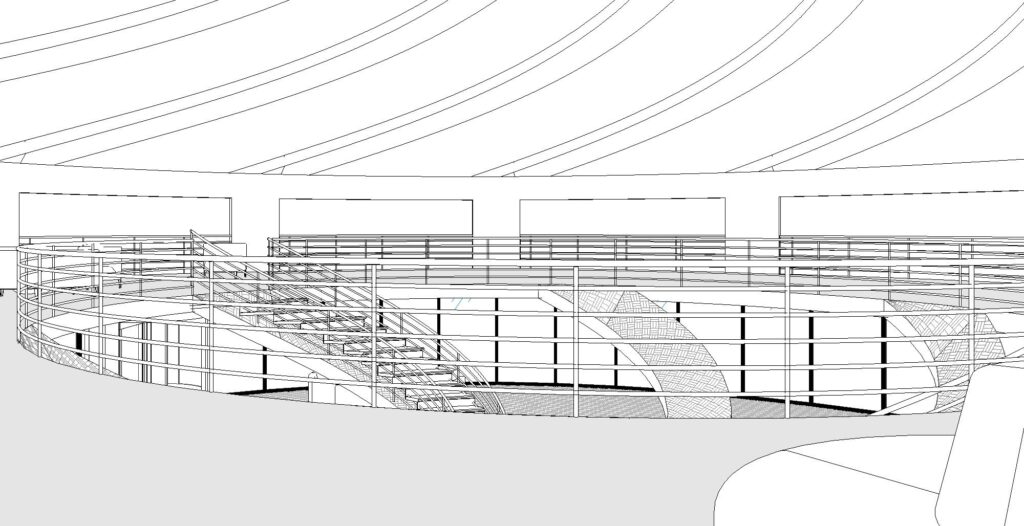
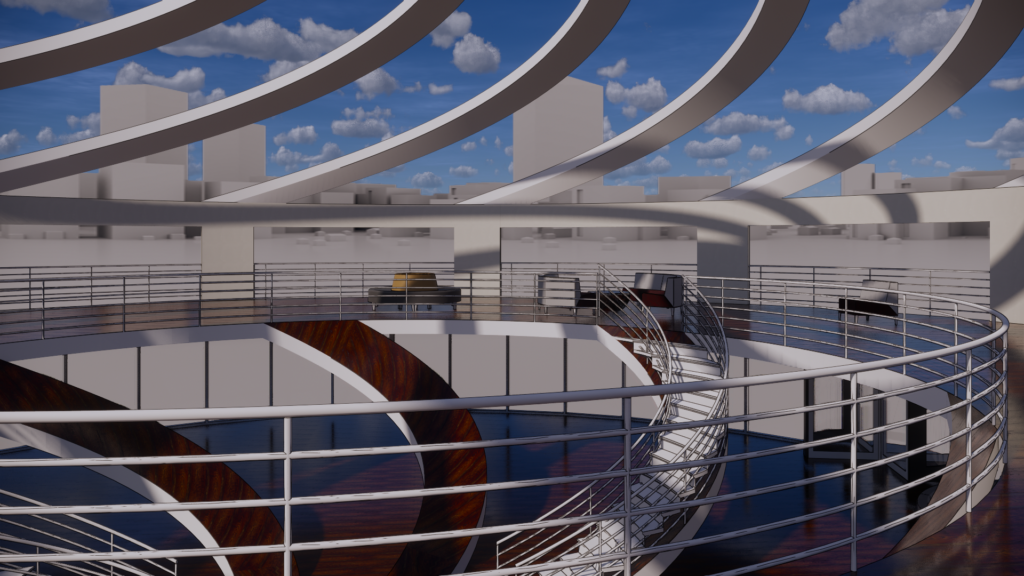
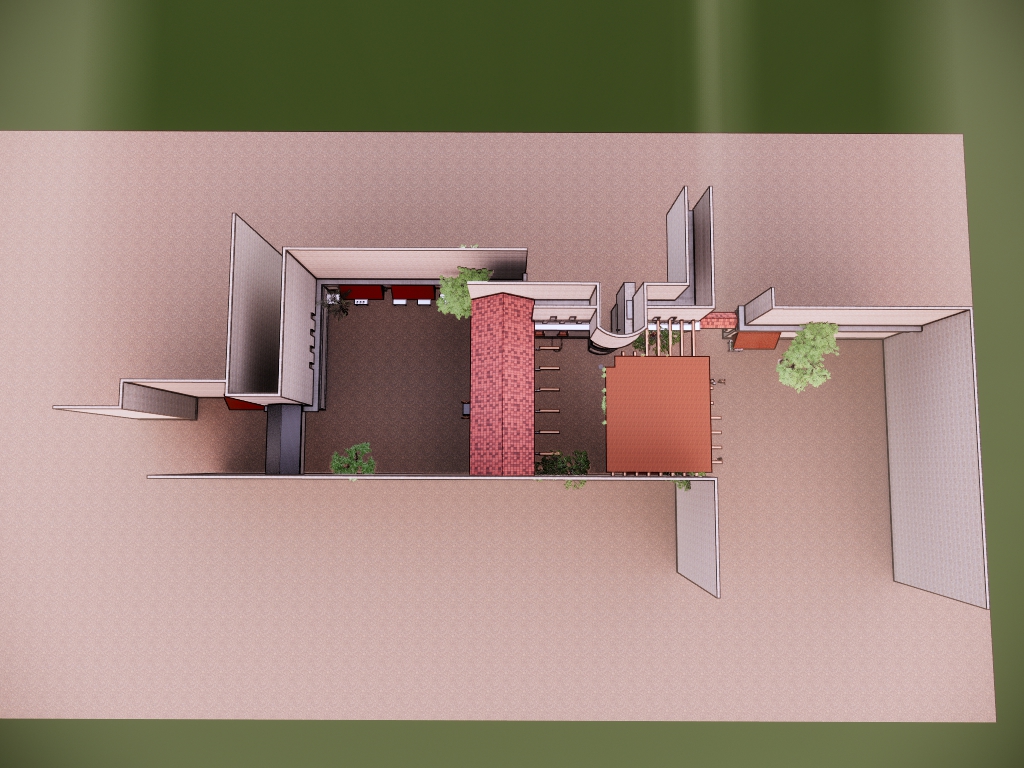
To demonstrate this technique, I recently used it to create curved slopes in a building project. The versatility of this approach allowed me to achieve the desired effect seamlessly.
So, what can you create with this newfound knowledge? I encourage you to experiment and explore the possibilities within your projects.
Conclusion: Enhancing Architectural Creativity
In the world of architectural design, versatility is key. Knowing how to achieve effects like raked floors, even in software primarily designed for architectural modeling, can give your projects a unique edge. Whether you’re designing for the stage or screen, Revit’s flexibility can empower your creative vision.
Ready to try it out? If you’d like more detailed instructions on using this technique, you can find them [here](insert Autodesk instructions link).
Let your architectural imagination run wild and see how this technique can add depth and perspective to your designs, just like the magic of theater.
Transforming Concept Art into Stunning Set Designs: A Journey of Creativity
In the realm of set design, inspiration can strike from unexpected sources, and for me, concept artists are a boundless wellspring of creative energy. These skilled individuals possess the unique ability to infuse my set designs with distinct flavors that resonate deeply with audiences. In this article, we’ll explore how concept artists collaborate with production designers to lay the foundation for immersive cinematic worlds and how set designers like myself take those broad strokes and breathe life into them for the camera.
Original: Streets Walking by Jordan-Grimmer
One remarkable concept artist who has left an indelible mark on the industry is Jordon Grimmer, whose portfolio can be admired at https://jordangrimmer.artstation.com. Hailing from London, United Kingdom, Jordon Grimmer has made waves as a freelance concept artist in the video game industry. His visionary artwork caught my attention a few years ago, sparking an intriguing challenge: could I translate the essence of his paintings into tangible sets using only Autodesk Revit?
Revit 3D View
My mission was clear: dissect Jordon’s compositions into as many Revit system and project families as possible, meticulously recreating the intricate details that define his captivating worlds. To ensure the authenticity of my creations, I harnessed the power of Enscape for swift rendering, allowing me to gauge the harmony of my scenes against the originals. This practice not only enriches my skill set but also encourages me to experiment with novel construction techniques, ultimately refining my overall design process.
Autodesk Revit Plan View Rendered in Enscape
The results of these scenic drills are nothing short of mesmerizing, and I am excited to share my ongoing journey of experimentation with you. As I continue to push the boundaries of set design and explore innovative ways to bring conceptual art to life, I invite you to join me on this artistic expedition. Together, we’ll witness the transformation of imagination into reality, where each set becomes a captivating narrative waiting to be unveiled on the silver screen. Stay tuned for more awe-inspiring creations and insights into the world of set design.
Makeshift: A Filmmaking Journey with Coca-Cola Refreshing Filmmaker Award Finalists
Do you remember when you stumbled upon something truly extraordinary, something that felt like a blast from the past? Well, we’re about to take you on a nostalgic trip back to a remarkable moment in our filmmaking journey during our time at the Savannah College of Art & Design.
It all began when our film, “Makeshift,” a Coca-Cola Refreshing Filmmaker Award Finalist, was still just a concept brimming with creativity and youthful enthusiasm. Our team, comprised of talented individuals who shared a passion for storytelling, embarked on a mission to bring this project to life.
The Plot Unveiled
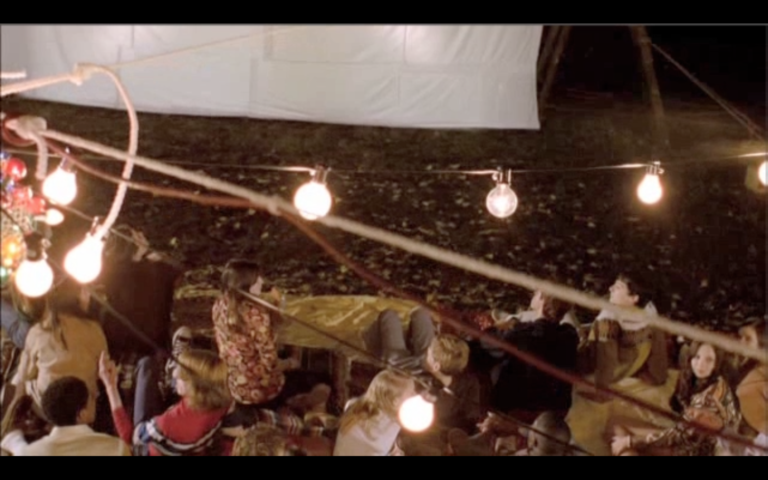
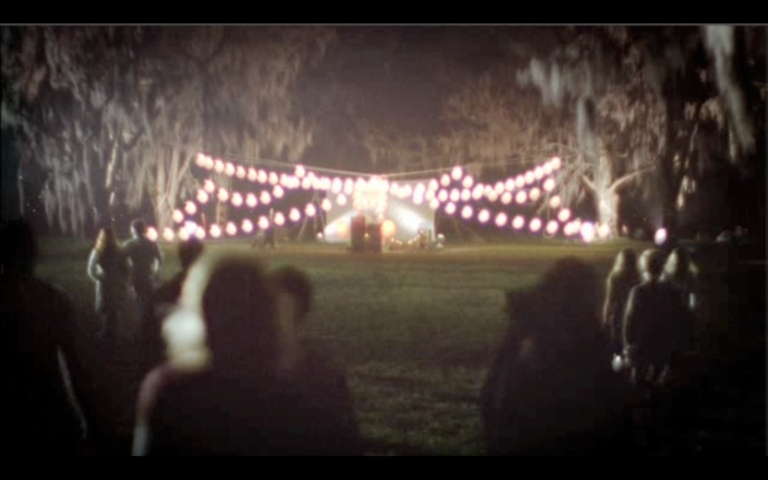
The heart of our commercial revolves around a young man who stumbles upon a group of friends in an open field. Seizing the opportunity to spread joy and excitement, he transforms this simple field into a magical pop-up movie screening. Picture this: a makeshift concession stand, a movie screen, and an old-school film camera all coming together under the summer sky. It’s a story that captures the essence of youthful spontaneity and the joy of creating memorable experiences with friends.
https://vimeo.com/29897996
Behind the Scenes
Every great film requires a dedicated crew, and ours was no exception:
Broody Carmikell – Director: The visionary behind the camera, Broody brought our story to life with his exceptional directing skills, ensuring that every frame was infused with the magic of the moment.
Zach Graber – Director of Photography: With an eye for capturing the perfect shot, Zach skillfully crafted the visual narrative, ensuring the essence of summer and camaraderie shone through.
Joshua Green – Production Designer: Joshua was instrumental in setting the stage for our pop-up movie experience, meticulously designing the set to evoke nostalgia and wonder.
Yolande Thame – Set Dresser: As the set dresser, Yolande added the final touches that made our creation feel inspirational and relatable. Her attention to detail breathed life into our project.
Creating Magic on Set
Dressing the set was a task that brought us immense joy. We wanted our audience to feel the nostalgia and excitement that the characters on screen were experiencing. From the retro concession stand filled with iconic Coca-Cola bottles to the warm, inviting glow of the makeshift movie screen, every element was carefully chosen to create a sense of wonder.
Conclusion
Our film, “Makeshift,” a Coca-Cola Refreshing Filmmaker Award Finalist, was not just a project; it was a journey filled with passion, creativity, and the joy of filmmaking. It reminds us of the power of spontaneity, the importance of creating unforgettable moments, and the magic that happens when a group of talented individuals comes together to tell a story.
So, as you sip on your Coca-Cola and reminisce about those timeless moments, remember that “Makeshift” captures the magic of the past and brings it to life on the silver screen. Cheers to the power of storytelling and the memories that last a lifetime!
My First Directorial Debut: A Student’s Journey into Filmmaking
Stepping into the director’s chair for the first time is akin to embarking on an exhilarating rollercoaster ride. As a graduate student pursuing my master’s in fine art at the Savannah College of Art and Design, this experience was a pivotal moment in my filmmaking journey.
https://vimeo.com/34744191
The project revolved around a quirky exotic dancer psyching herself for a peculiar and enigmatic night’s work. This narrative, filled with intrigue and character complexity, excited my creative spirit. Collaborating closely with my talented cinematographer, Catalina Alcaraz-Guzman, we embarked on translating our vision onto the screen.
One of the most challenging aspects was getting the lighting right inside the car: the confined space and the need to create a specific mood added complexity to the task. Every shadow, every beam of light, was a brushstroke on our cinematic canvas. It was in these moments of trial and error that I discovered the true artistry of filmmaking, where precision meets creativity.
Reflecting on this experience, I pondered what I might do differently if I had the opportunity to revisit that director’s chair. I realized I would embrace a faster pacing, injecting a sense of urgency into the narrative. The world would be a bit “grimier,” capturing the raw and unfiltered essence of the story.
This first directorial debut was a whirlwind of discovery and growth. It taught me that the director’s chair is not just a seat; it’s a realm of endless possibilities where storytelling and artistry converge. It’s a journey I eagerly continue as I navigate the exciting world of filmmaking and uncover new layers of creativity with each project.
Art Directing in the Vibrant Streets of Medellín, Colombia
Stepping off the plane in Medellín, Colombia, I was greeted by the warm and colorful embrace of a city that instantly reminded me of my Caribbean homeland, Jamaica. It was a new adventure, a chance to collaborate with a talented film crew in a place known for its stunning landscapes and vibrant culture.
Language proved to be a small barrier, as I was one of the few on the set who didn’t speak Spanish. Yet, the crew’s kindness and willingness to help me navigate the language divide made the experience even more enjoyable. Their shared passion for filmmaking transcended words.
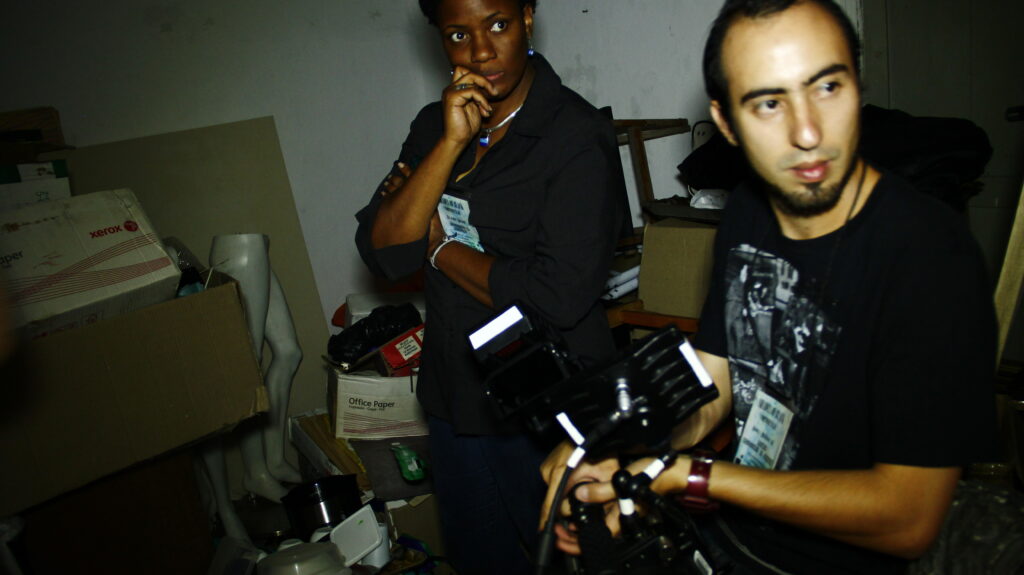
The Fabulous CrewFlim LocationThe Required PowerMy life-saving Art Direction CrewDirector & Supporting ActressSneaky photo of meCatalina (our director) being the dynamic woman she is..Another rare sighting listening me to our Professor, Bear BrownDirector make sure we are on trackI don’t remember this photo at allMy face says things were getting serious but really we had the best time.
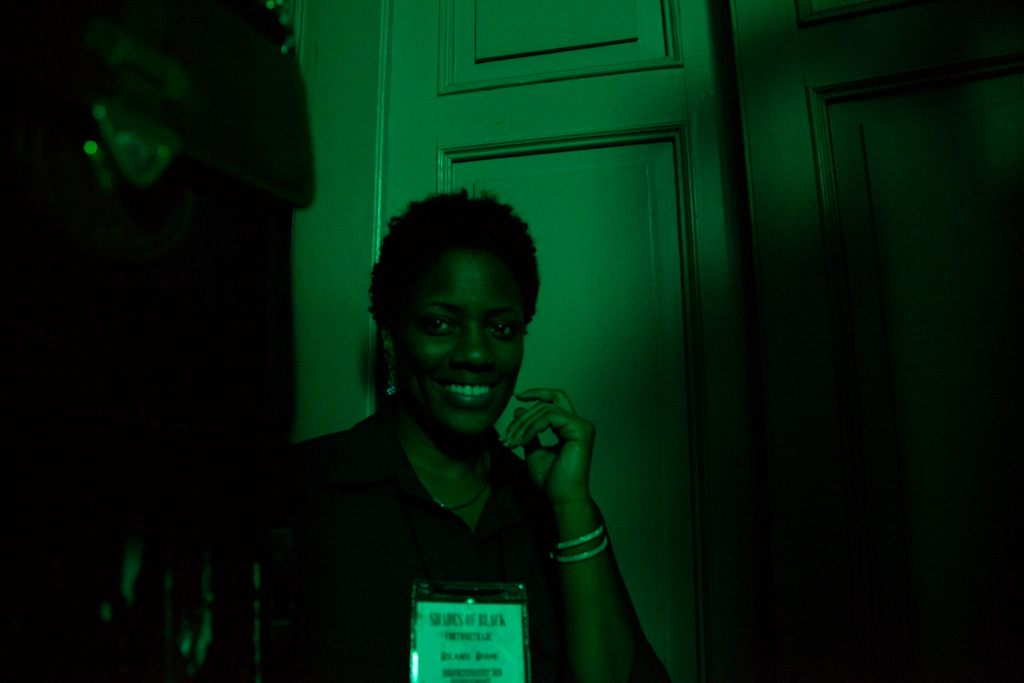
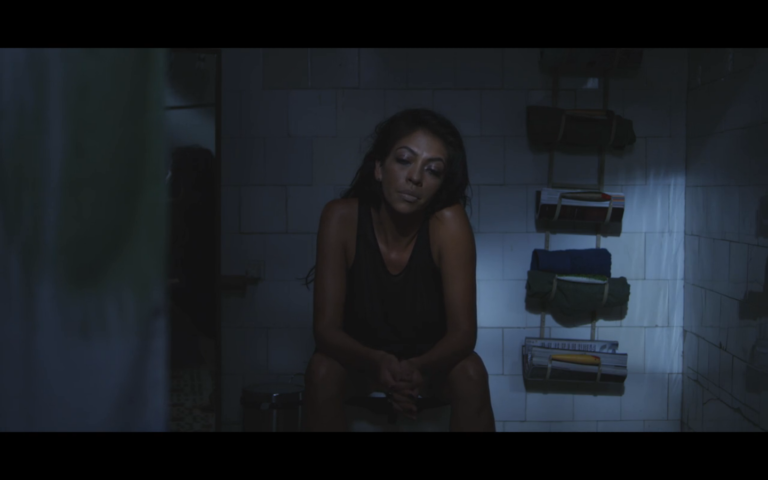
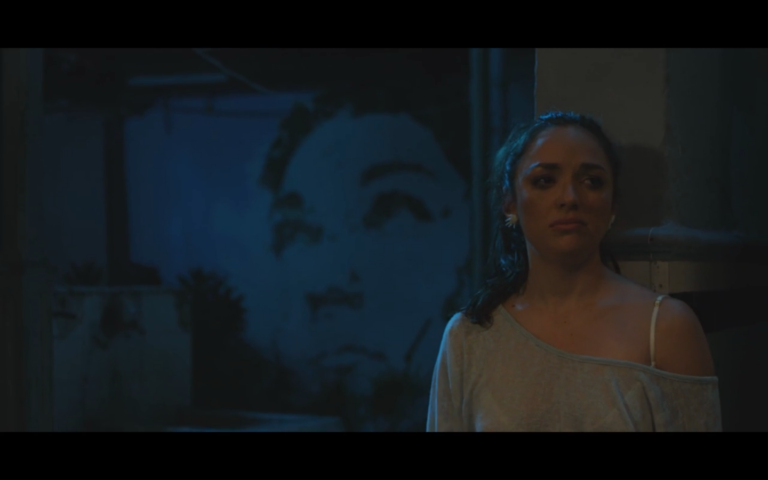
Our project was the brainchild of a brilliant director, Catalina Alcaraz-Guzman. The film, “Shades of Black,” explores the emotional journeys of two women at different stages of their careers in the world of performing arts. One was a jaded veteran, while the other was beginning her artistic voyage.
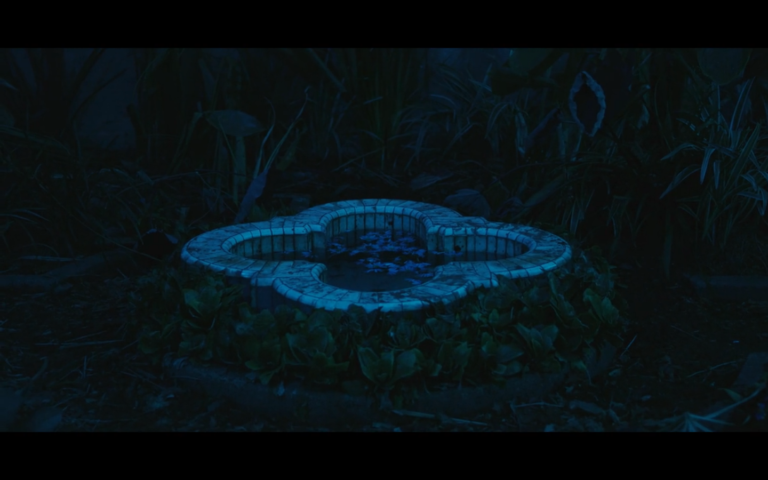
My role as the production designer was to create environments that would support the storytelling. I designed a moody kitchen where most pivotal dialogues took place, a bedroom where the narrative unfolded, and two contemplative courtyards where both characters grappled with the unspoken.
The beauty of Medellín seeped into our frames, enriching the visual narrative. The vibrant colors, picturesque streets, and photogenic settings served as a wellspring of inspiration for our artistic vision.
“Shades of Black” is a story that delves into the emotional depths of its characters. One has become disillusioned, wrapped in her self-indulgence, and captivated by worldly pleasures. The other is on a quest to shed her innocence and find her place in a world where art and life are intertwined.
As the days passed, I immersed myself in the story, intricately crafting each scene to support the characters’ emotional arcs. It was a crash course in resourcefulness and creativity, an experience that demanded making things work even with limited resources.
Medellín became a character in the film, its charming streets and scenic landscapes adding depth to the story. The city’s energy and spirit resonated with our narrative, amplifying the emotions of our characters.
Working in Medellín was not just a professional endeavor but also a personal journey. It reminded me of the beauty of my Caribbean home, the warmth of its people, and the power of storytelling that transcends language.
“Shades of Black” was more than just a film project; it was an exploration of the human experience, a journey of self-discovery and transformation. And Medellín, with its vibrant colors and photogenic sites, played a crucial role in bringing that story to life.
Ultimately, it was not just a film, but a testament to the universal language of art, one that transcends borders, cultures, and languages.
Shades of Black is a window into the emotional state of two women. One has become cold-hearted, wrapped in herself and the pleasures of the world. The other struggles to shed her innocence and yearning to be found.
Crew:
Catalina Alcaraz-Guzman – Director
Marcel Morschhauser – Director of Photography
Yolande Thame – Production Designer
Digital White Models in Film: Bridging Creative Vision and Practical Execution
The art department’s role in filmmaking often remains behind the scenes, quietly shaping the visual narrative. While the director, cinematographer, and production designer get the limelight, set designers and art directors play a crucial role in bringing a script to life.
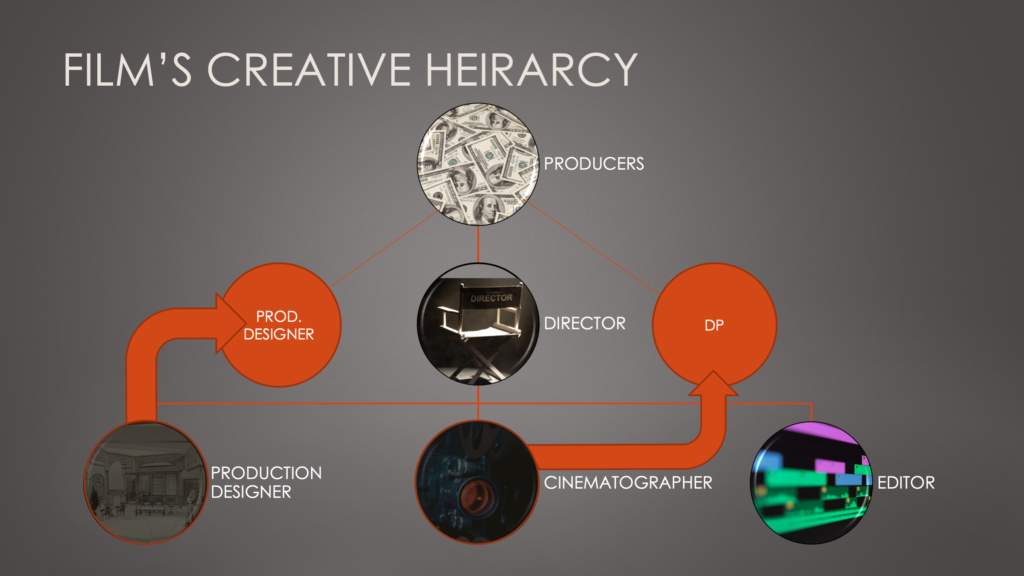
In a typical film production hierarchy, the director sets the vision, casts the actors, and hires department heads. The director of photography (DP) takes charge of the camera and lighting, while the production designer (PD) oversees the art department. The PD is not just an artist; they’re the logistical head, steering the ship of creative departments like costume design, location management, prop management, and set decoration.
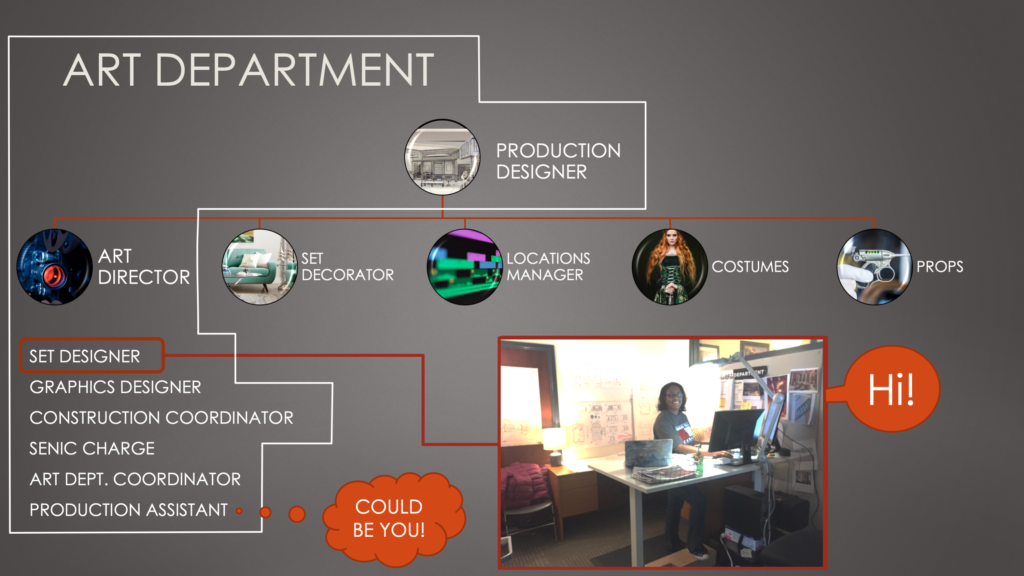
Within the art department, the production designer’s right-hand person is the art director, who is responsible for managing set and graphic designers, as well as the scenic and construction departments. Their collaboration ensures the sets are not just visually stunning but also functionally sound for filming.
Set designers, in turn, bridge the gap between the production designer’s vision and the practical needs of construction and scenic departments. They create drawings and models that guide the construction and painting of sets. This process has evolved significantly with the advent of technology. The software allows set designers to develop 3D models alongside technical drawings in real time, streamlining the collaborative effort.
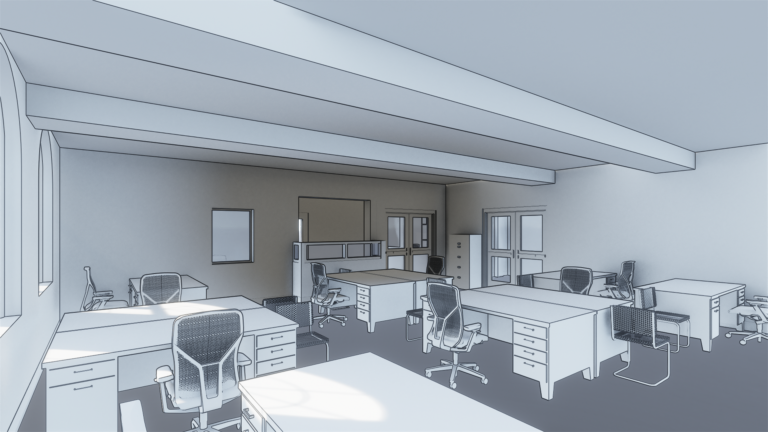
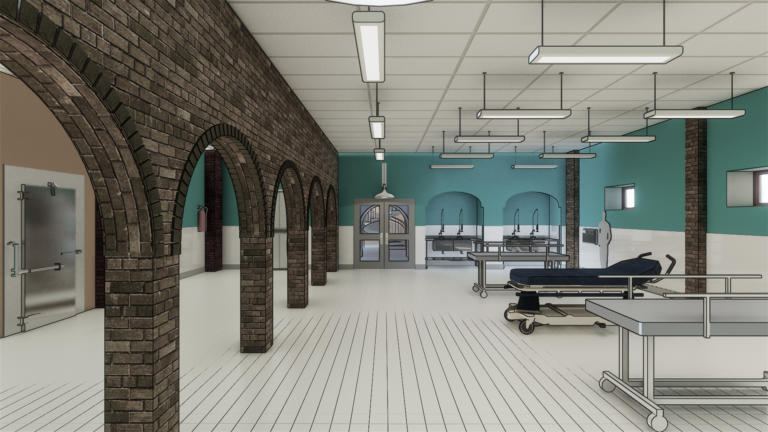
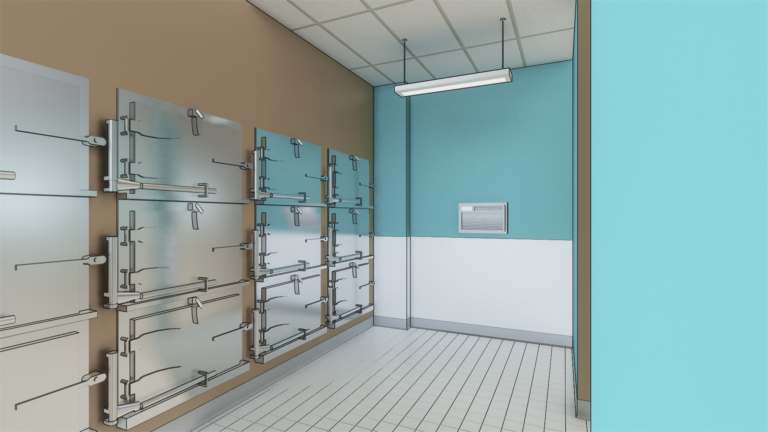
One technique embraced by set designers is the use of digital white models. These models are inspired by traditional foam-core architecture models, which are still used for complex or stunt-heavy environments. Digital white models serve a specific purpose – they focus on form over color or texture. During pre-production, this clarity helps integrate input from various team members without constraining their creativity.
In the world of filmmaking, where every detail matters, digital white models offer an efficient way to communicate the spatial design without getting bogged down in intricate details. They serve as a canvas upon which the collaborative team can paint the nuances of storytelling.
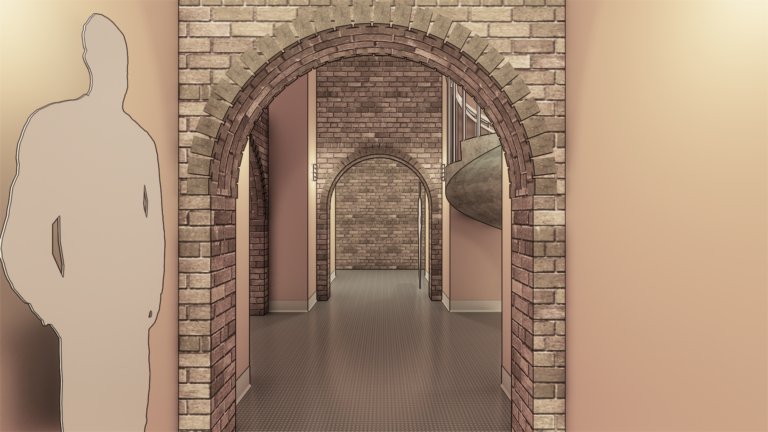
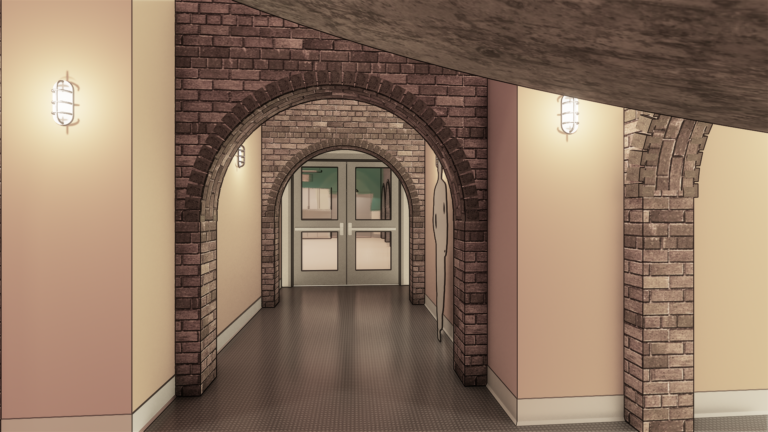
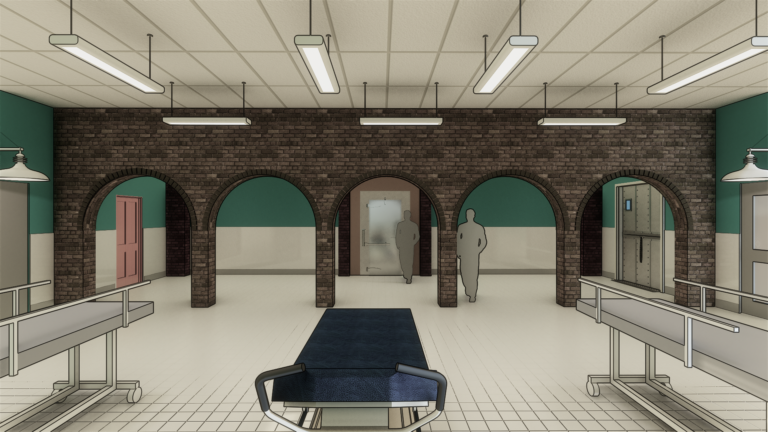
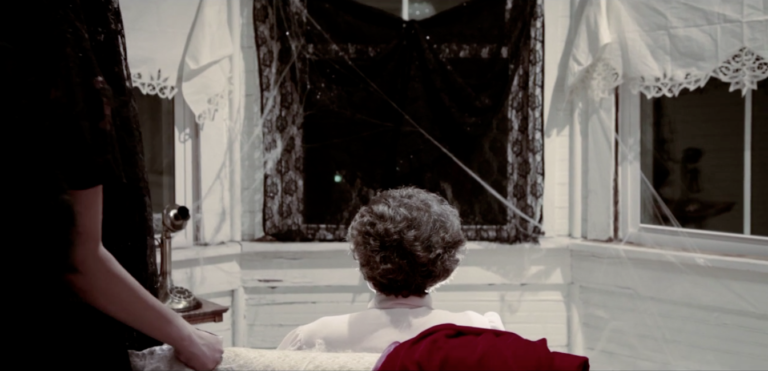
For example, I’d like to share insights from a canceled pilot titled “Superstitions.” In this project, I utilized digital white models for studying sets such as a funeral home and morgue. These models provided a foundation for discussions with various stakeholders, facilitating a shared understanding of the space’s layout and potential. They allowed us to explore the form, consider practical functions, and leave room for creative interpretation.
While the art department’s work often remains unseen in the final film, it’s a testament to the collaborative nature of filmmaking. The hierarchy, from directors to set designers, is a complex structure where each role is integral in turning a script into a cinematic masterpiece.
In the end, the magic of filmmaking lies in the harmonious fusion of creative vision, practical execution, and the relentless pursuit of storytelling excellence.
Crafting the Spaceship: My Journey in Design for “Phoenix Beyond”
As I embarked on my master’s program at the Savannah College of Art and Design, I never anticipated the incredible journey that awaited me. It was during this time that I had the opportunity to contribute to a remarkable project – the creation of a spaceship for the short film “Phoenix Beyond.”
The film’s storyline, directed by Neil Short, revolves around a young man trapped in a monotonous daily routine within the confines of a spaceship. His mundane existence is disrupted when a fellow shipmate lures him outside, revealing the shocking truth: their spaceship is, in reality, an observation pod housed within a warehouse. The project was a testament to the transformative power of film and the art of set design.
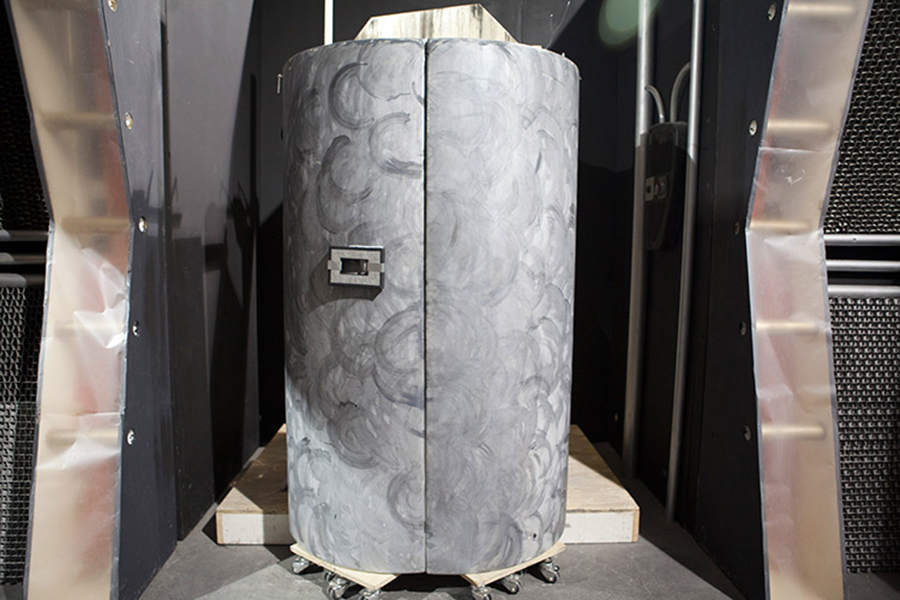
Creating the spaceship itself was a monumental task that took an entire month and a dedicated team of students. We were faced with the challenge of bringing a futuristic and enigmatic environment to life. The design was influenced by the intricate structure of a hexagonal hive, creating a visually captivating yet eerie aesthetic. To add an extra layer of suspense, we incorporated a sickly green tint, subtly hinting to the audience that something was amiss.
What I quickly learned through this experience was the critical difference between designing for film and theater. In the realm of film, every detail is meticulously examined, as the camera captures even the smallest nuances. Scenic techniques that might work seamlessly on a theater stage can be far less forgiving when a camera lens is involved, making precision and attention to detail paramount.
The process was not without its challenges, from scaling the 30-foot ladders to address every minute detail, to navigating the complexities of film production, which often meant working long hours with little sleep. It was a journey that tested my limits but also solidified my passion for design.
“Phoenix Beyond” was not just a film; it was a testament to the power of storytelling through visual elements. It was a journey of creative discovery and collaboration, a testament to the dedicated individuals who poured their talent and hard work into bringing this science fiction tale to life.
Reflecting on my experience with “Phoenix Beyond,” I am reminded that creativity knows no bounds and that the pursuit of design can lead to revelations about the subtle nuances that can bring a story to life on screen. It was a transformation journey, both for the characters within the film and for me as a designer.
Reminiscing on a Journey Through Set Dressing: “Mort” – The Short Film That Holds Memories
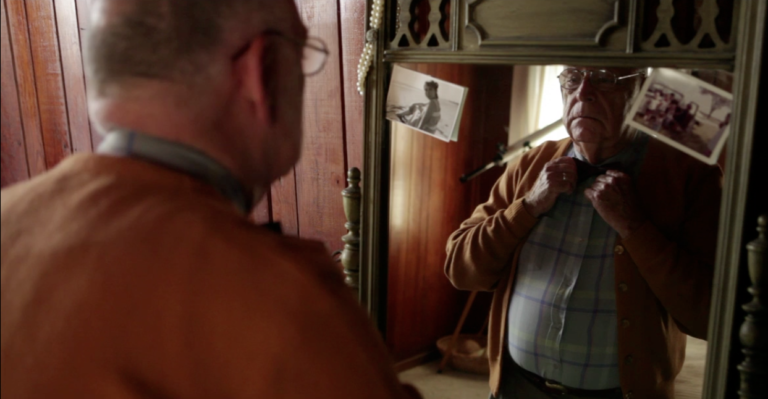
Now and then, revisiting a piece of work from the past can be a walk down memory lane. I recently stumbled upon a little gem from my time at the Savannah College of Art and Design, a short film that I had the privilege of contributing to as a set dresser. The film, “Mort,” directed by David M. Davis and with the artistic touch of production designer Miranda Frederick, offered a poignant narrative that left a lasting impression on everyone involved.
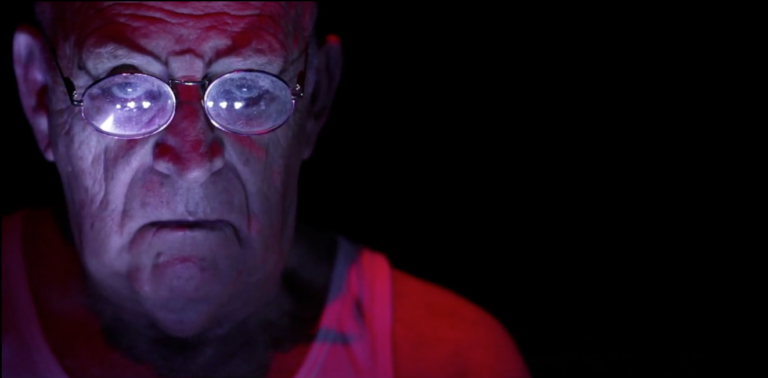
The storyline was a unique blend of fantasy and emotion, focusing on the encounter between an older man and his grim reaper. As he faces his mortality, the film takes us on a journey of self-discovery and acceptance.
Set dressing for this project was an exciting challenge. It was not just about creating a visually striking environment; it was about crafting a space to convey the complex emotions and themes at the heart of the story. Every piece and every detail played a role in telling the narrative.
As I look back on this experience, I can’t help but feel a wave of nostalgia. It was a time of creative exploration, filled with late-night discussions and collaboration with talented friends and colleagues. Working on “Mort” was not just about the final product; it was about the journey, the shared passion for storytelling, and the bonds formed during its creation.
Today, I’m excited to share the trailer of this remarkable short film, a token of the hard work and dedication poured into it by a group of passionate individuals. It’s a reminder that creativity knows no bounds and can touch the hearts of both creators and audiences alike. As the tagline suggests, it’s a story about coming to terms with the end of life and the start of something unknown.
So here’s to the memories of “Mort” and the friends I made along the way. It’s a testament to the enduring power of storytelling and the magic that happens when creative minds come together to breathe life into a narrative.
Exploring the Synergy Between Set Design and Real Space Layout
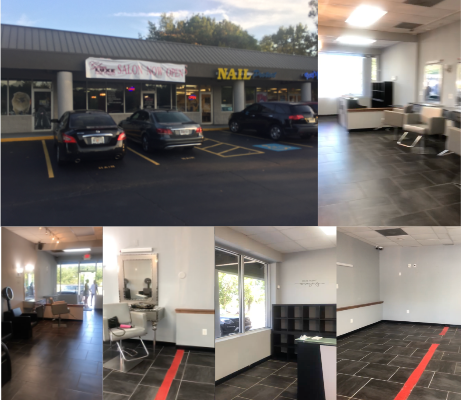
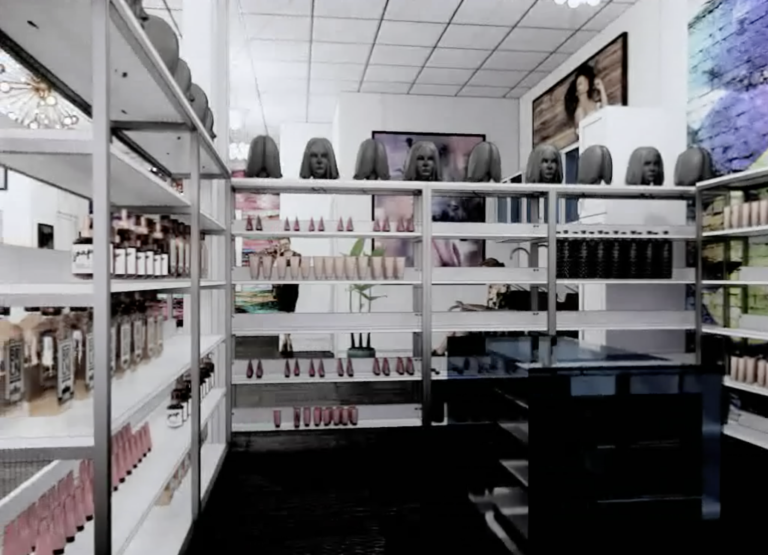
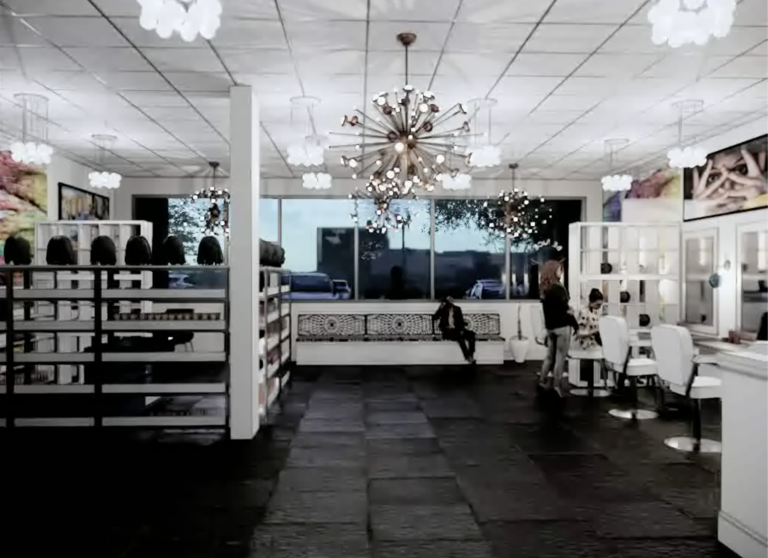
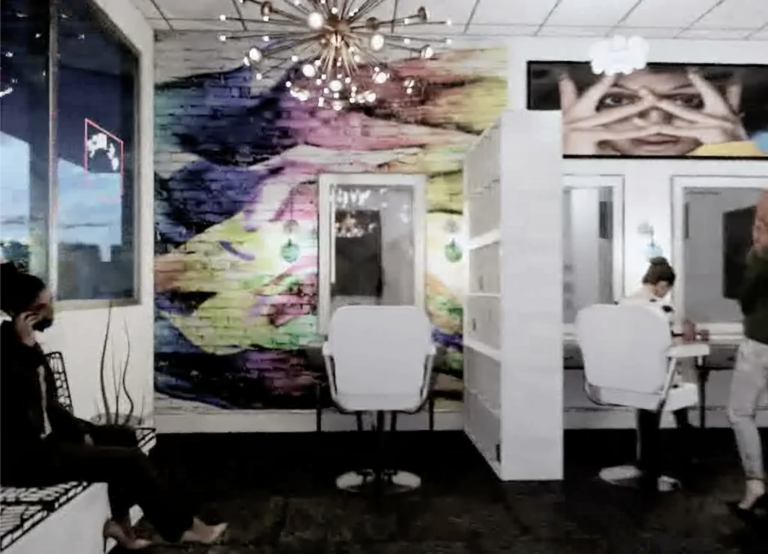
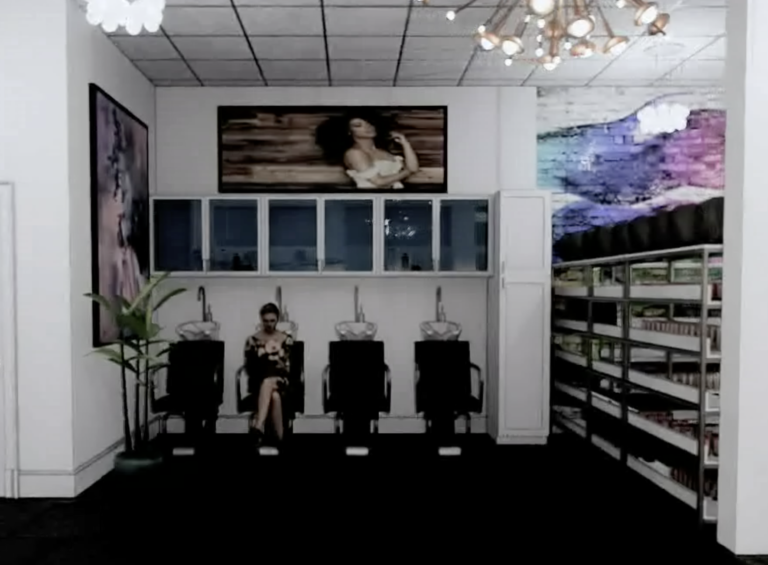
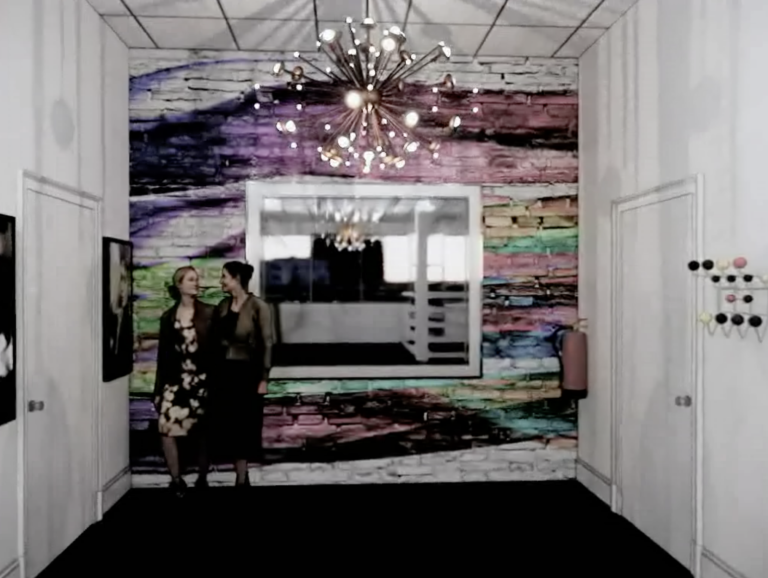
Recently, I immersed myself in a project quite different from my usual endeavors as a set designer. A friend approached me with a request to design a concept for her beauty salon. Armed with little more than blurry photographs of the space, I embarked on a journey that would unexpectedly reaffirm the interconnectedness of my two worlds: set design and accurate space layout.
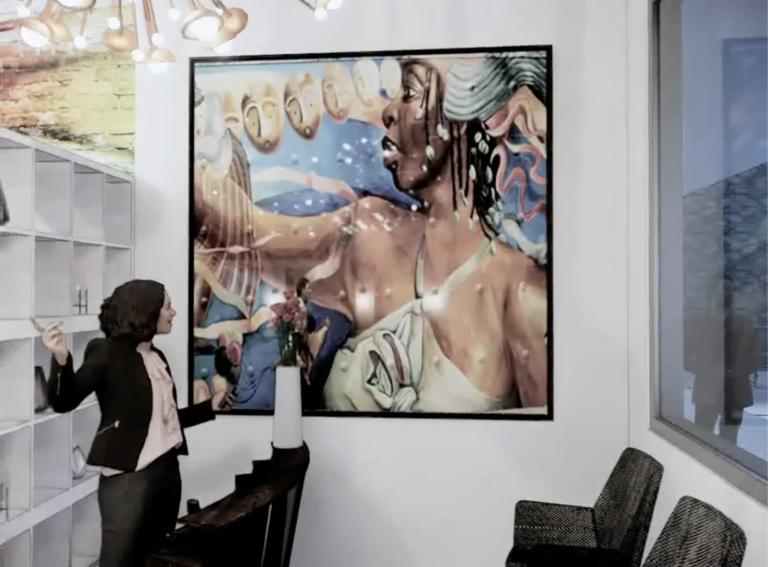
With a limited timeframe of around 8 hours, I turned to my trusted tools, Revit and Enscape, to breathe life into my vision. The result was a 3D walkthrough that offered a tantalizing glimpse into the potential transformation of the salon’s interior.
While this project had unique constraints and considerations, it was striking how the fundamental principles I apply in set design seamlessly translated to the task. What had started as a favor soon became a reminder of the profound parallels between designing for a narrative-driven set and a functional real-world space?
Set design is an intricate dance of storytelling through spatial arrangement, and it was enlightening to recognize how these same principles apply to the layout of a salon. In both cases, the design should guide people through an experience, whether a film’s narrative or a salon visit’s journey.
https://vimeo.com/377178716
Considerations like flow, accessibility, and the arrangement of key elements play an essential role, just as they do when crafting immersive sets. The real-world functionality of the salon mirrors the practicality that underlies many of my set designs. The salon’s layout must cater to the needs of its clients, just as a film set must facilitate the seamless execution of scenes.
This endeavor was a reminder that, at their core, set design and real space layout share the same foundation – the understanding of how humans interact with and move through spaces. In both worlds, it’s about creating environments that evoke emotions, enhance experiences, and tell a compelling story.
This experience affirmed that the skills and insights gained in one realm can be seamlessly applied to the other. Whether it’s crafting the perfect scene for a film or optimizing a salon’s layout for clients, the art of spatial storytelling remains at the heart of both endeavors. My journey with this beauty salon project served as a delightful convergence of my two passions and a testament to the power of multidisciplinary creativity.